Mistakes Buyers Make When Choosing a Truck Camper
How smart buyers avoid turning their dream rig into a driveway regret
Let’s be honest: you can’t just slap a camper onto a truck and expect it to work. Plenty of people try it, but the learning curve has a steep price. Even seasoned owners have been burned. Maybe it’s a miscalculated payload, unexpected leaks, nosediving MPG, or a living space that feels like a cramped elevator with curtains. We’ve seen it all, and we know exactly where the pain starts. Below are five of the most common (and costly) mistakes camper buyers make—and how to steer clear of them from the jump.
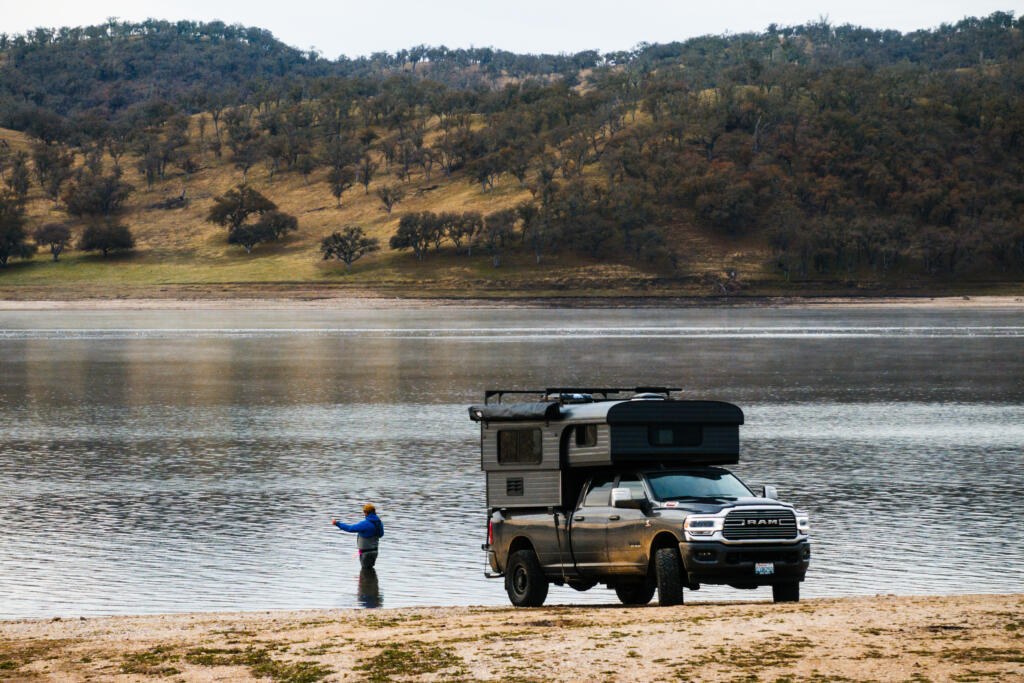
1. Treating the truck and the camper as two separate decisions
This is the most common pitfall, and it’s not a cheap one. Shoppers often fall for a camper before they understand what their current truck can handle. That mismatch can lead to overloaded suspensions, degraded handling, and sway so bad it turns a lane change into a white-knuckle event.
Here’s the rule: payload governs everything. It’s not about how big your truck looks—it’s about what it’s rated to carry. The yellow Tire and Loading Information label inside the door jamb shows your vehicle’s specific maximum payload as: “The combined weight of occupants and cargo should never exceed XXX lb.” GVWR appears on the manufacturer’s Safety Compliance/Certification label on the door jamb; payload can be calculated as GVWR minus curb weight, but the yellow label is the quick, authoritative number for that exact truck as equipped.
As we cover in the Half-Ton Truck Camper Guide, most modern half-tons land roughly in the 1,400–2,500 lb payload window by configuration, with certain payload-package setups exceeding 3,000 lb (for example, specific F-150 trims). A fully loaded hard-side camper can push past that without even trying.
Tip: Weigh your truck at a certified scale. Use actual numbers, not spec sheet estimates. Wet camper weight (fully loaded) is the number that matters, not the dry weight. Water alone adds about 8.34 lb per gallon.
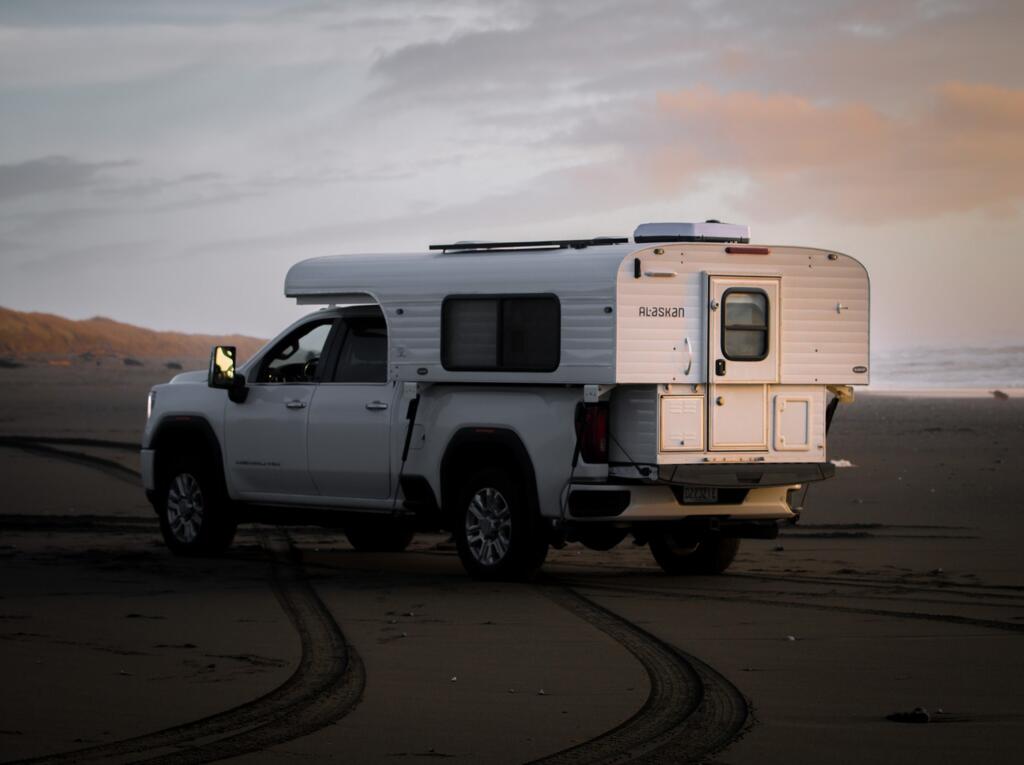
2. Choosing flashy features over real-world durability
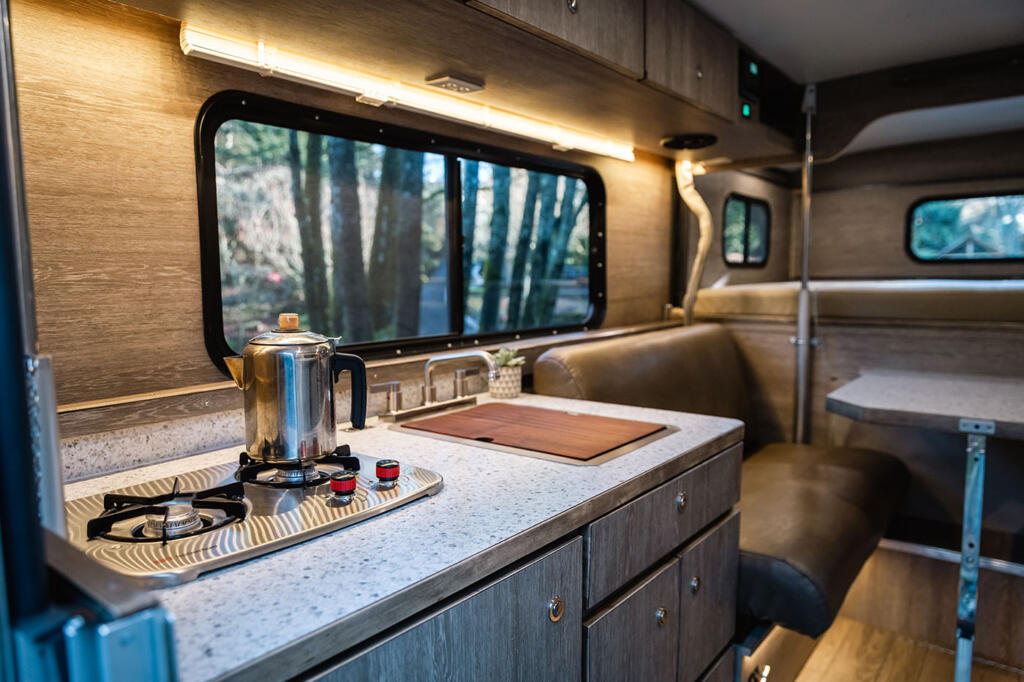
Walk into any camper showroom and you’ll see rigs outfitted with glowing accent lights, imitation stone surfaces, built-in entertainment systems, and all the cosmetic bells and whistles. They’re seductive—but they often come at a real cost.
What buyers don’t always see is that each of those features adds weight, complexity, and maintenance. Slide-outs add mechanisms, seals, and potential leak points that must be maintained; more weight also hurts fuel economy and handling. And as discussed in our Truck Camper MPG article, weight doesn’t come free—it drags fuel efficiency, taxes your suspension, and adds long-term wear.
Owner reports across forums consistently flag premature squeaks, leaks, or delamination on complex or overweight builds, especially when used hard or stored outdoors. When that happens 500 miles from home, marble-patterned countertops won’t matter much.
Durability checklist: Look for sealed corners, proper joinery, real plywood (not particle board), aluminum framing, and a layout that doesn’t depend on slide-outs for basic function. Hand-fit cabinetry and solid, insulated walls will hold up in wind, heat, and freezing temps.
We compared exactly that in our Pop-Up Camper Showdown—where you’ll see how simple, durable design stacks up against flashier competitors in real-world use.
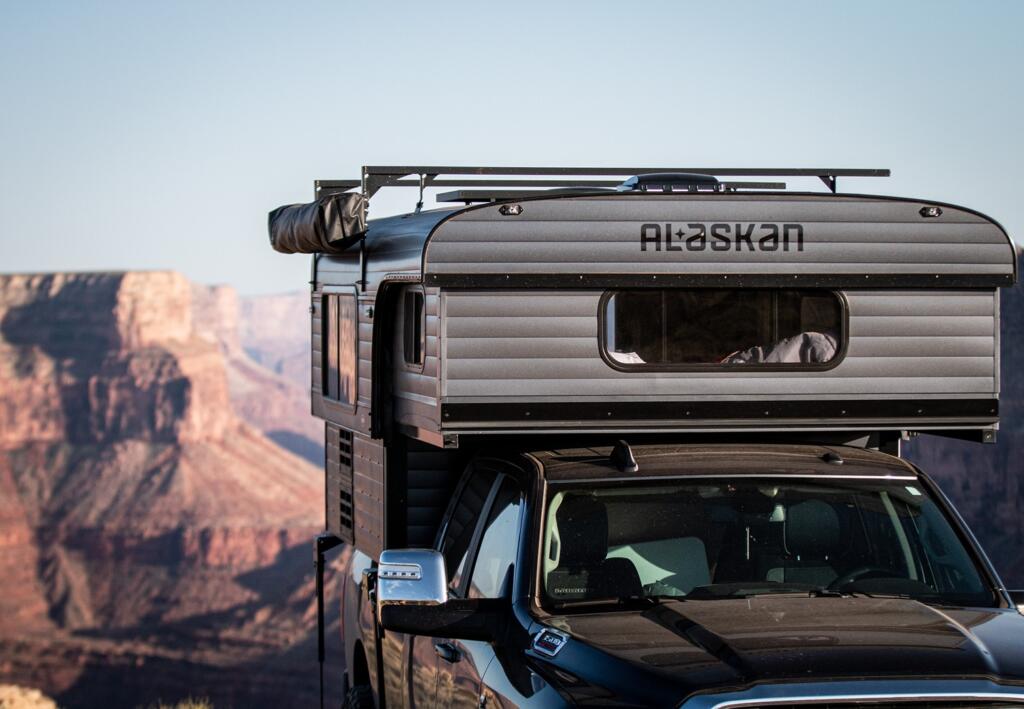
3. Planning for the fantasy trip, not your actual use
This one stings a little because it hits people who mean well. You imagine weekend trips, then longer getaways, then maybe a few cross-country adventures. But the camper you buy based on those early assumptions might not match how your travel habits actually evolve.
Plenty of buyers start with something small, thinking they’ll only camp on mild weekends. But as comfort increases and the itch to explore grows, two-night rigs start to feel cramped by day three. And if you add a partner, a dog, or bad weather to the mix, the walls start closing in fast.
Hard truth: the trip you think you’re buying for may not be the one you end up taking.
If you’re planning to use your camper through multiple seasons or in various climates, you’ll want real insulation, efficient heating, and space that lets you move around without knocking over your gear. Pop-up campers are great for aerodynamics and trail access, but hard-wall models generally offer stronger weather isolation and storm protection, which many owners prefer for winter or shoulder-season travel.
We talk about long-term value and evolving use in Do Truck Campers Hold Their Value?—a must-read if you’re thinking beyond one season of ownership.
Ask yourself:
- Will I camp in temperatures below freezing?
- Do I need space for skis, rifles, camera gear, or a dog crate?
- Will I be spending most nights in campgrounds or parked deep in public land?
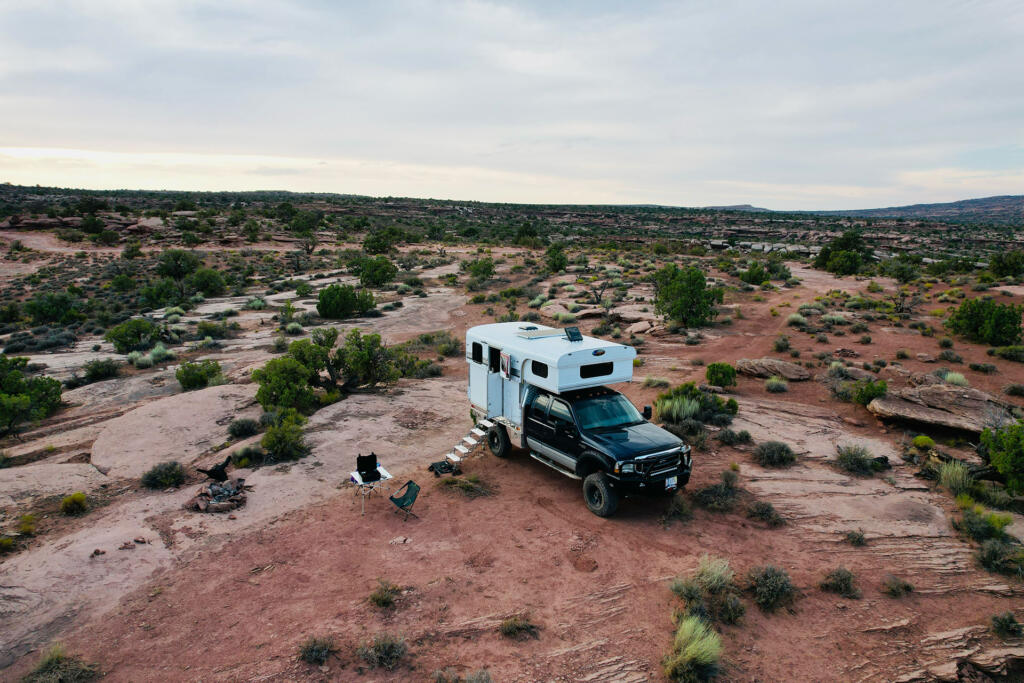
4. Overlooking the “boring” stuff: insurance, upkeep, and running costs
New buyers tend to budget for the camper and maybe the truck—but skip right over the continuing costs. That includes registration, maintenance, insurance, and all the small consumables that pile up over time.
Here’s where things get tricky: your standard auto policy probably doesn’t cover the camper—especially when it’s off the truck. Most policies treat the camper as “cargo,” not part of the vehicle itself. That means if it’s stolen, damaged in a storm, or dented by a tree branch at camp, you could be on the hook. The fix is simple but often overlooked: make sure your insurer knows you own a truck camper and confirm it’s listed as a separately insured unit.
And then there’s maintenance. Every roof seam, jack, electrical connection, propane system, and plumbing line will eventually need attention. Even basic wear-and-tear—like re-caulking seams or servicing tie-downs—takes time, tools, and money.
We dive into this in Truck Camping Insurance Basics, including the fine print most owners miss—and how to avoid the surprise bills.
5. Underestimating the total weight of your choices
This one trips up even experienced buyers—and it doesn’t take much. Payload numbers seem abstract until your truck starts sagging in the rear, swaying in the wind, or eating through brakes and tires faster than expected.
Here’s the reality: that “dry weight” number on a camper brochure is just the starting point. By the time you fill the water tank (at 8.34 lb per gallon), pack food, clothes, tools, propane, batteries, and gear, you’ve often added 800 to 1,200 pounds. Easily.
So if your camper’s dry weight is 1,900 lbs, it’s not unrealistic for your loaded rig to be pushing 2,800. For a half-ton truck rated at around 2,200 lb of payload in many common trims (and sometimes much less or more depending on configuration), that’s over the line—and that kind of overload shows up in braking distance, suspension wear, and steering stability.
To avoid that, you need to know your real payload—not just what the brochure or dealer tells you.
We walk through this in How to Read a Payload Sticker, but here’s the key: open your driver’s door and find the yellow Tire and Loading Information label. That’s where your truck’s actual payload is listed—factoring in everything the manufacturer installed at the factory. You don’t need to do any formulas; it’s printed right there:
“The combined weight of occupants and cargo should never exceed XXX lbs.”
That’s your true working number.
What reduces that payload? People. Tools. Roof racks. Bumpers. Tongue weight if you’re towing. Dealer-installed upgrades like winches or camper shells—even if you didn’t ask for them. And yes, the camper itself. If the selling dealer added significant accessories before first retail sale, look for a secondary notice showing the reduced load capacity.
Tip: Treat that payload sticker as gospel. For clarity: GVWR, GAWR, and related specs appear on the safety certification label on the door jamb. Better yet—do what smart owners do: load your truck up like you’re going camping, and weigh it at a public scale. Front axle, rear axle, and total weight. Compare each to the ratings on your door labels to confirm you’re within GVWR and axle limits. You’ll get the full picture.
If you’re near the limit—or over—it’s time to rethink the setup. A balanced rig won’t just protect your drivetrain; it’ll feel more stable and less tiring to drive, especially in crosswinds or emergency stops.
The takeaway
Buying a truck camper is more than a weekend whim—it’s a decision that touches safety, comfort, and cost in equal measure. It’s not just about getting outdoors; it’s about getting there and back without headaches, regrets, or major repairs.
The buyers who get it right tend to follow the same path: realistic expectations, thorough research, and a little skepticism for anything too shiny or too cheap. They end up with rigs that feel right on the road, function well in bad weather, and last through seasons of actual use.
Take the time to match the camper to the truck, and both to your real travel plans. Don’t build for a fantasy trip—build for the trip you’ll actually take.
And when the weather rolls in, and the soft-side crowd packs up early, you’ll still be parked in the same spot—dry, comfortable, coffee on, heater humming—wondering what all the fuss was about.