Photographing the Wild: A Field Guide for Alaskan Owners
For everyone who’s ever said, “It looked better in real life.” And for the folks who already know their way around an f-stop? You’re good. This might still offer a nudge you didn’t realize you needed.
Theme of the day: Your Alaskan takes you deep into the wild — but it’s not the magic ingredient. Good photos happen once you’re in it, not just parked near it. The camper gets you there. That’s it. The lens does the rest.
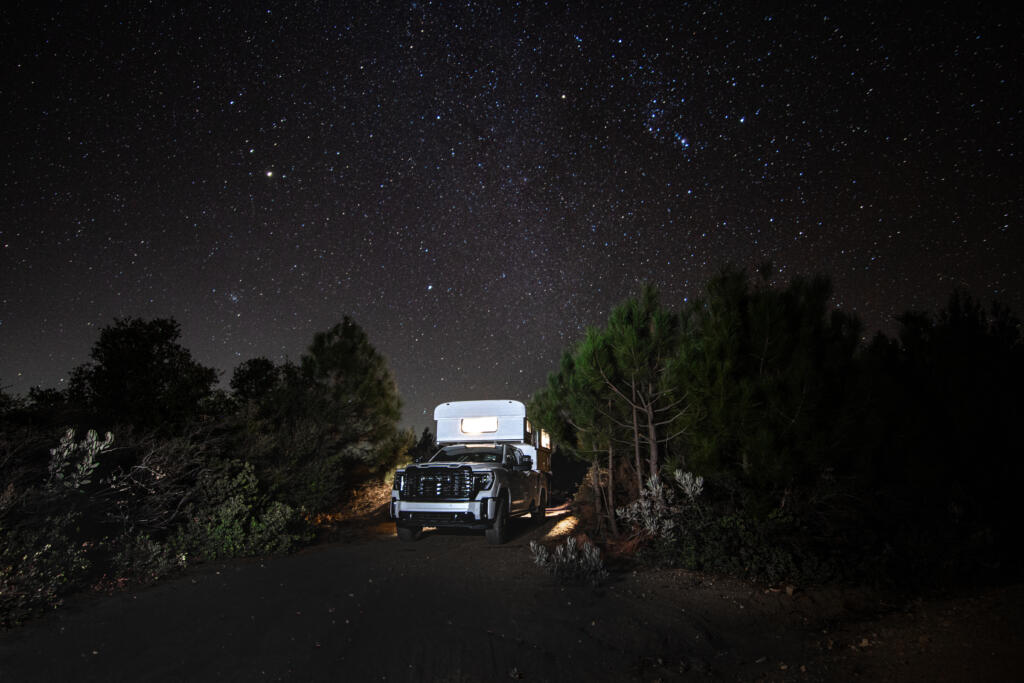
Let the Camper Do the Sneaking
Movement and human outlines — those are the giveaways. Animals spot them faster than you’d expect. Every credible wildlife agency (NPS, USFWS, the whole crew) repeats the same thing: If you look like a person, animals act like you’re a threat. If you act calm, quiet, and steady? They usually don’t care.
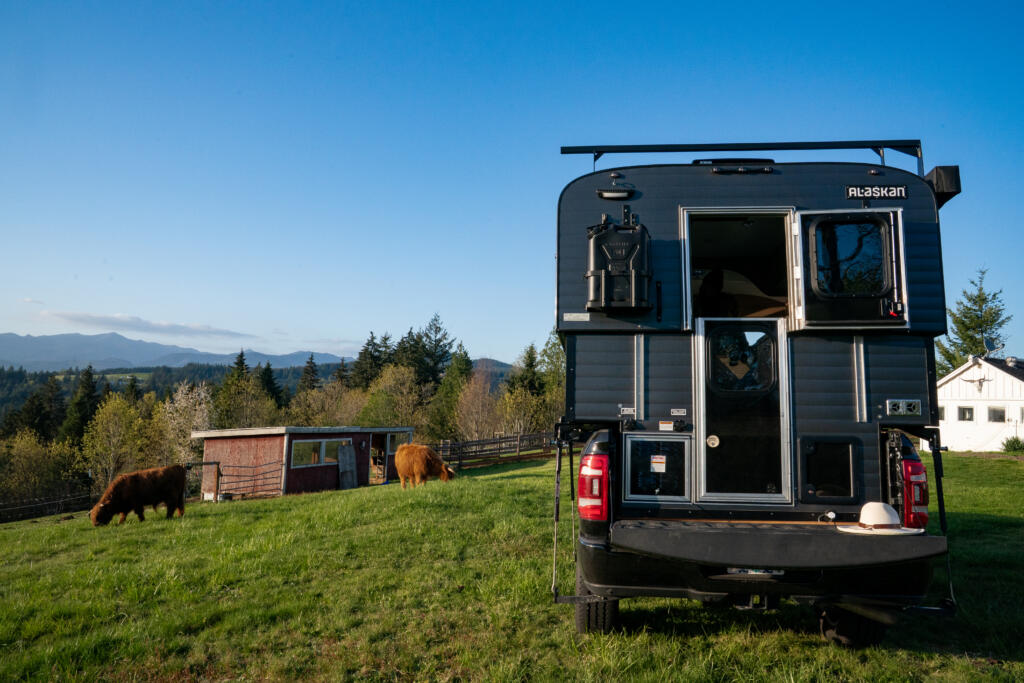
That’s the stealth advantage of owning an Alaskan. You’re already parked where the animals actually are. Dawn? You’re on location. Dusk? Still there. No blinding headlights scanning the field. No doors slamming in echoey valleys. Just you, already there. No ambush — just… showing up and waiting.
You’re not “shooting from the shadows.” You’re just skipping the chaos that usually ruins the moment before it even starts.
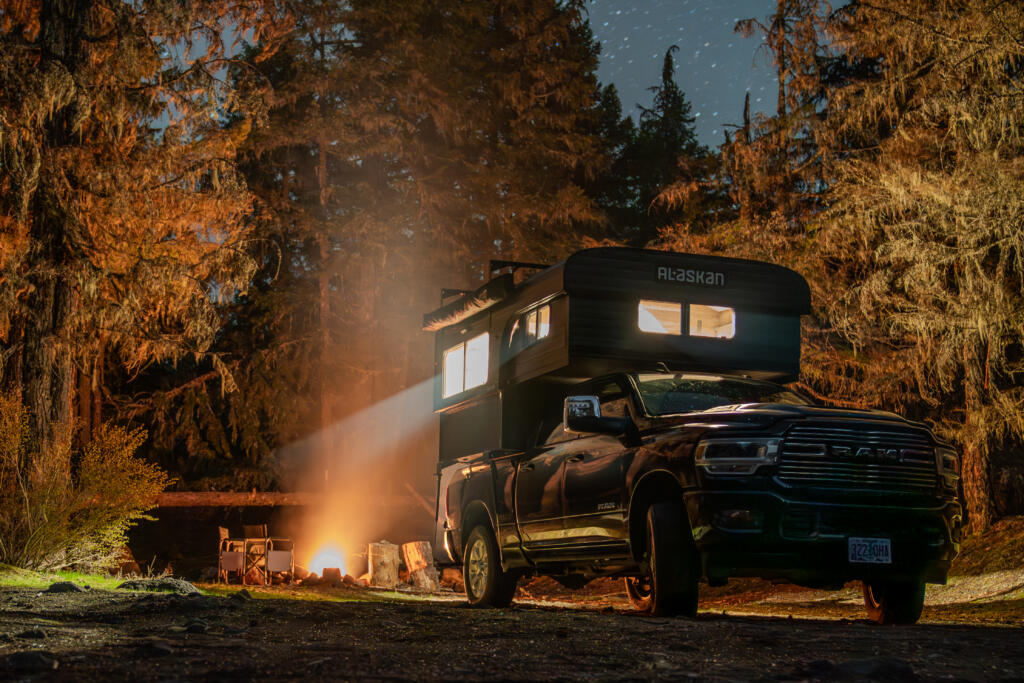
Light, Behavior, and the Settings You Actually Need
Biggest beginner unlock? Light and wildlife both move in cycles. Animals are busy at dawn, nap midday, and stir again before dusk. Light follows the same beat — soft early, harsh at noon, mellow again later. Line those two up and your photos improve dramatically. And the settings? Forget memorizing the manual. What you really need are these:
- Fast shutter — to freeze motion.
- Mid-range aperture — keeps your focus zone a bit more forgiving.
- Lowest ISO the light allows — keeps graininess from wrecking your shot.
Everything else is icing. You can clean up noise later. But blur? That’s a dead end. And, if you’re the type who sets manual exposure before coffee, feel free to nod politely and move on.

The Autofocus Trick Nobody Tells Beginners
Most beginners? They let the camera pick the focus. Which is great for cake-cutting at a birthday party — not so much for wildlife. Here’s the tweak:
- Use continuous autofocus for anything moving.
- Pick a single focus point so your camera doesn’t get distracted by grass or twigs.
- When you can, aim for the eye — it makes a massive difference.
Composition Tips That Actually Help
Forget the fancy art school stuff. Here’s what makes photos look intentional, not accidental:
- Shoot at eye level. Even a chipmunk feels cinematic when you’re not towering over it.
- Give the animal space to move into. A fox jammed against the edge of the frame looks boxed in. Facing open space? Way more natural.
- Watch your background. Two steps to the left and poof — no more awkward branch growing out of that elk’s head.
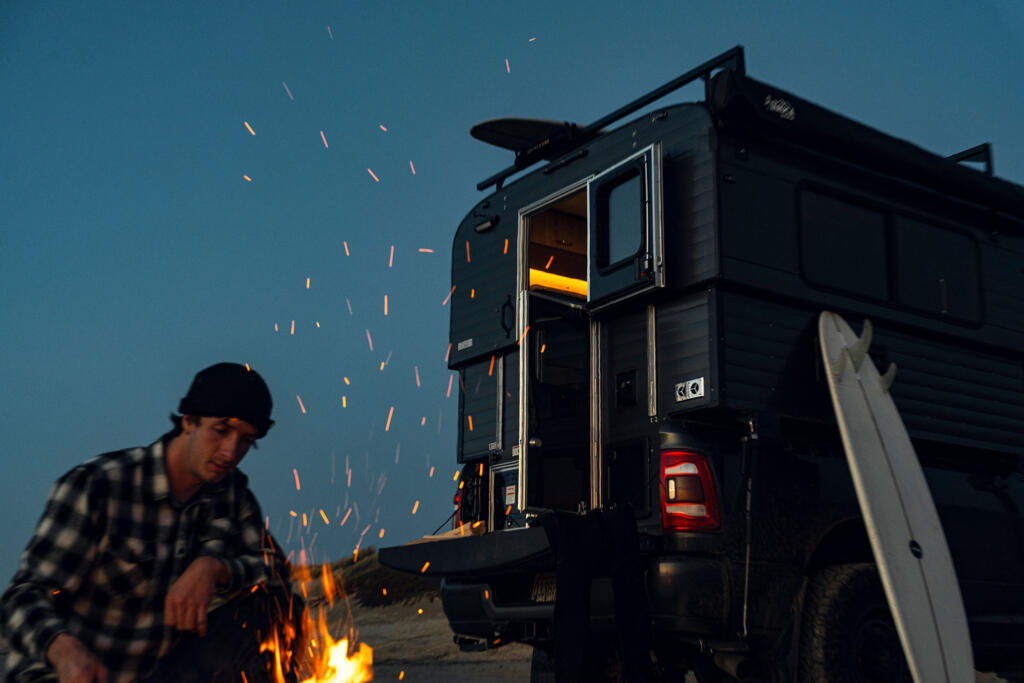
Fieldcraft Over Furniture
Wildlife photography = outdoor photography. Your camper is a cozy basecamp, not a secret weapon. Once you step out, you’re playing by outdoor rules. That means:
- stay downwind
- move slow
- use the land for cover
- break up your human outline
- learn what animal body language looks like — so you’re not causing stress
This isn’t some clever gimmick. It’s just the standard — from Audubon to USFWS, every responsible guideline says the same. Respect gets better shots. And it keeps the experience intact — for you and the wildlife. Your Alaskan gets you close. The rest? That’s on you.
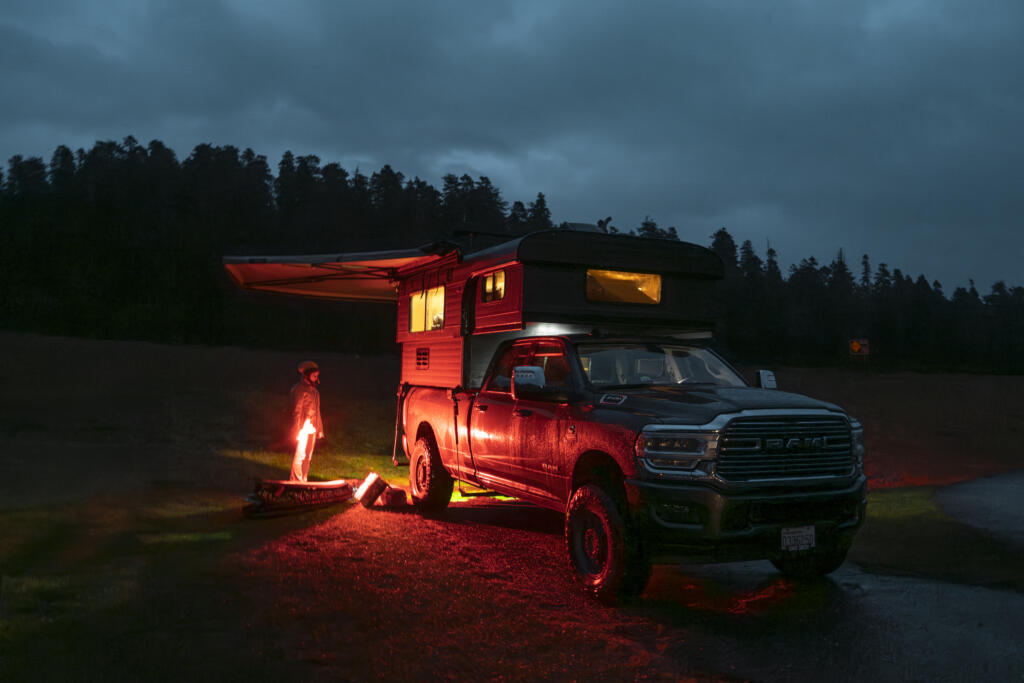
Be Predictable. Let the Wildlife Decide.
The biggest mistake beginners make is trying to chase wildlife. The moment you pursue, you lose the shot and betray the animal’s trust. The fix is simple: pick a spot, stay put, and let the landscape work. Creeks, meadows, treelines, ridgelines, and berry patches all act like wildlife magnets. If you’re out there consistently, you’ll see more than the sprinting-around crowd ever will. And the perk of traveling with an Alaskan? You can make these places your morning coffee view instead of a 4 a.m. hike.
Build a System That Protects Your Hard Work
Nothing tanks a trip faster than losing a day’s worth of shots. It happens to beginners, intermediates, and seasoned photographers who get lazy. The fix is simple, but you have to actually do it.
First rule: never trust a single copy. SD cards fail, get wet, get lost, or get accidentally reformatted when you’re half awake and trying to clear space. Professionals follow a simple approach recommended across the board from ASMP to major camera brands: two copies, two locations.
A practical version for life on the road:
- Back up your card every night before bed
- Keep one copy on a small rugged SSD in the camper
- Keep another on a separate drive in the truck
- Reformat your SD card only after confirming both backups exist and open
If you’re traveling for more than a week or shooting a once-in-a-blue-moon encounter, add one optional step: upload a few favorites to cloud storage whenever you hit service. It’s not your full archive, but it saves you from total catastrophe. This system feels boring until the day it saves you. After that, you’ll never skip it again.
The real superpower of an Alaskan owner
Your camper doesn’t make you a better photographer. It makes you a more present one.
You’re waking up on location instead of driving there. You’re rested instead of rushed. You’re watching instead of chasing. You’re showing up during the windows when wildlife actually moves instead of during the hours when the parking lot fills. That presence is what leads to good photographs.
The gear helps. The settings help. The fieldcraft matters. But the real magic is time. Attention. Being in the right place often enough that good moments become inevitable.
The Alaskan gives you the chance. The rest is just practice.