5 Lessons Truck Camper Owners Learn After Their First Season
The first season in an Alaskan Camper isn’t about discovering flaws in the camper. It’s about discovering yourself in travel — how you pack, how you drive, how you live off-grid, how your habits shape your experience.
Across dozens of Alaskan Life stories and conversations with owners, the same five refinements surface again and again — not as complaints, but as quiet realizations that make the second season smoother, more intuitive, and far more enjoyable.
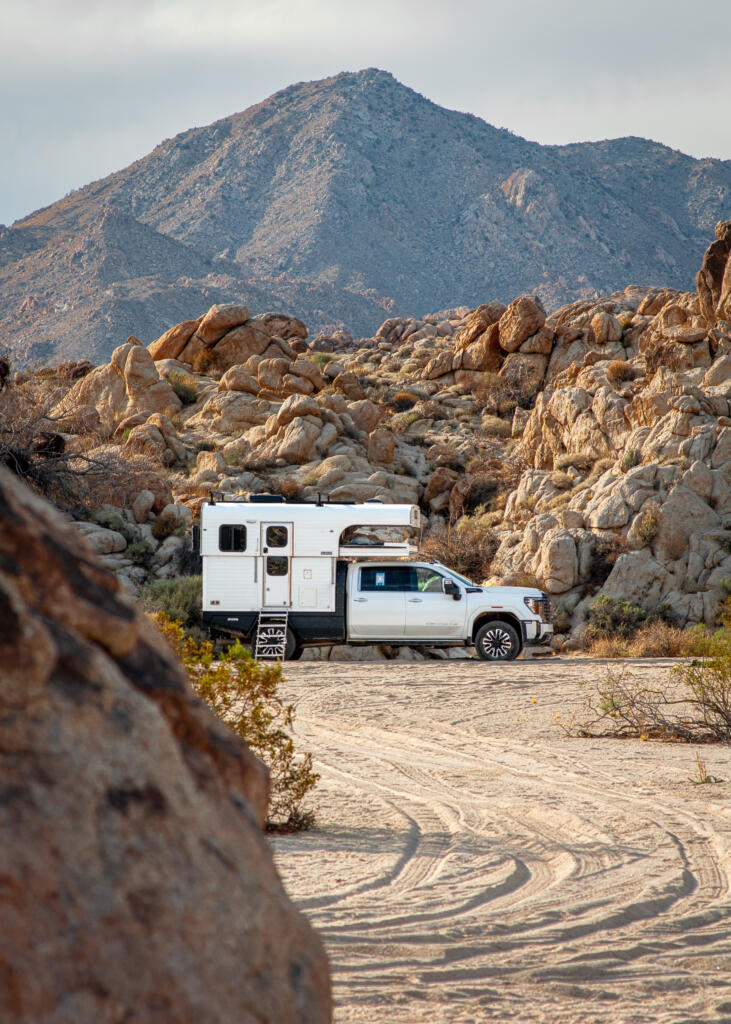
1. Stability changes the entire experience
Owners often describe a specific moment when the rig stopped feeling “busy” and started feeling planted. That shift rarely comes from a single upgrade. It comes from understanding weight.
Real travel weight. Fuel full. Water tank filled. Gear loaded. Passengers included.
Those numbers get compared to the truck’s actual limits: GVWR, front and rear GAWR, tire load ratings, and the payload number printed on the driver-side door sticker. The sticker matters because it reflects your exact truck configuration.
Many owners initially assume suspension upgrades will solve everything. Suspension can improve ride quality. It does not increase legal payload capacity. When the truck operates within its engineered range, everything improves at once: steering settles, braking distances feel predictable, tire wear evens out, and crosswinds stop feeling dramatic.
Tires and tire pressure also become part of the equation. A properly rated tire at the correct pressure transforms highway stability. Ignoring it undermines everything else.
Driving technique shifts, too. You leave more room. You brake earlier. You think ahead on grades. Stability is mechanical, but confidence is behavioral.
Payload isn’t about fear. It’s about operating inside engineering. Here’s some related reading:
- The Right Size Truck for an Alaskan Camper
- How to Read a Payload Sticker
- Truck Camper Stability Tips
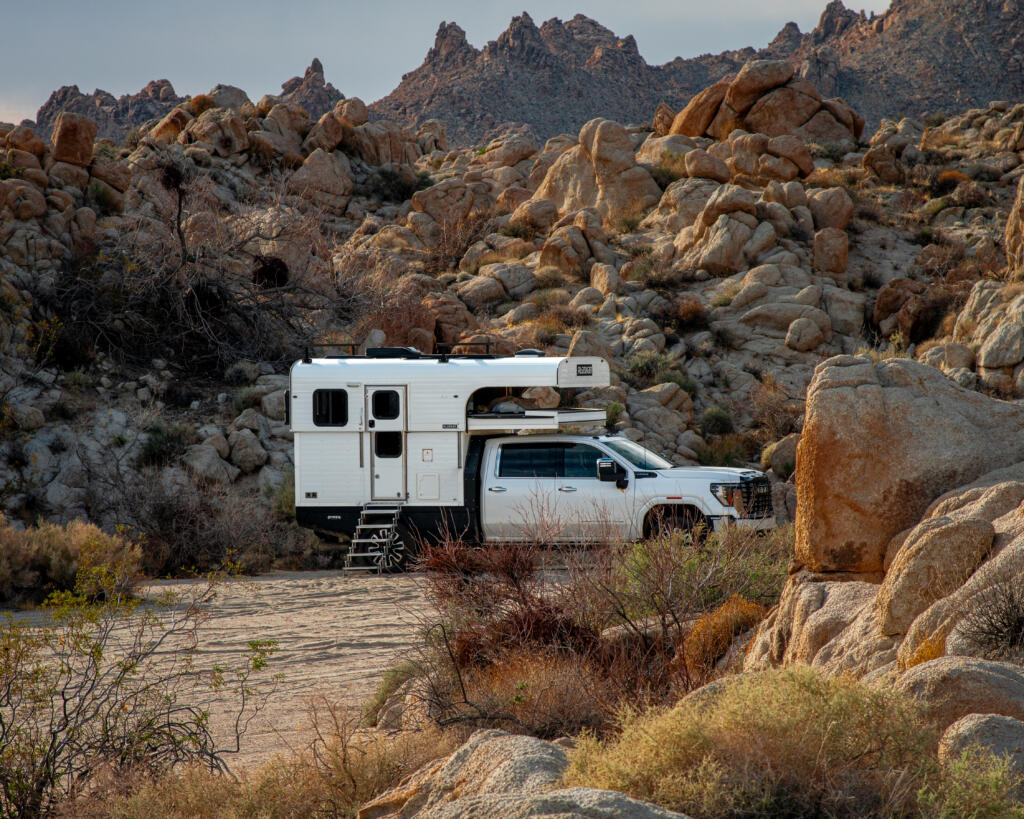
2. You stop packing for fantasy
First-season packing is aspirational. You pack for every scenario you can imagine. Extended storms. Remote repairs. Gourmet meals. Extra everything. After a few real trips, the patterns become obvious. Certain items never leave storage. Others are used constantly but buried. Setup drags because your system wasn’t built around routine.
Experienced owners often follow a simple audit:
| After 3 Trips | Identify what you didn’t use |
| After 6 Trips | Remove it permanently |
What survives that filter is consistent: daily-use items within reach, climate-appropriate layers, a compact repair kit, and a fixed kitchen setup that doesn’t change trip to trip.
The goal isn’t minimalism for its own sake—it’s efficiency. Less weight improves handling. Less clutter improves movement. The camper feels bigger when it carries less friction.
If you want to pressure-test your packing, these are useful reference points:
- Minimalist Camper Packing for Two
- 5 Easy to Pack Dinners
- Interior Details That Make It Feel Like Home

3. Off-grid comfort is preparation
Dispersed camping looks spontaneous in photos. In practice, it rewards planning.
Owners who feel relaxed off-grid know their numbers. How many gallons of water they use per day. What a cloudy afternoon does to battery recovery. How much power their fridge and heater draw overnight. They also understand the rules. Seasonal road closures. Land ownership boundaries. Fire restrictions. Permit requirements. These are not details you want to discover at sunset.
Most experienced travelers run through a quiet checklist before departure:
- Confirm water and power usage expectations
- Review weather and wind forecasts
- Identify dispersed camping rules and land ownership
- Download offline maps before losing service
When someone says they camped three days with no hookups and had zero issues, what they are describing is preparation that worked.
- Carl Chidiac: Getting Off-Grid in the Idaho Panhandle
- How to Find Dispersed Camping Spots
- Oregon Off-Grid Camping
- 3 Days. No Hookups. No Problem
Comfort off-grid rarely comes from adding gear. It comes from understanding your systems.
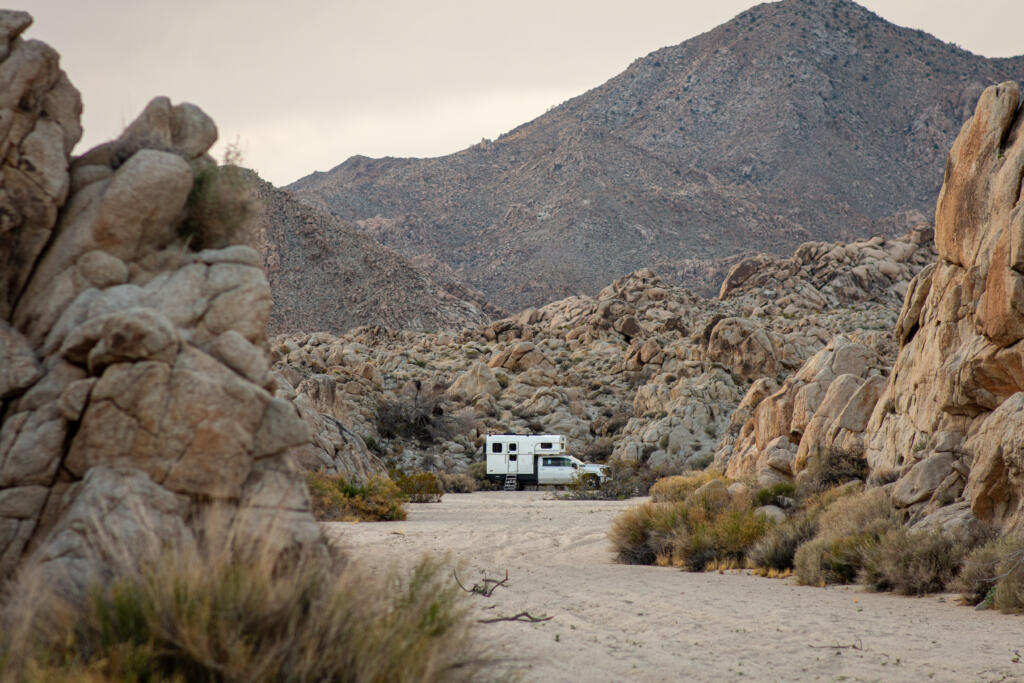
4) Small refinements matter more than big specs
In the first season, it’s easy to focus on options and capacity. Bigger solar. More storage. Additional upgrades.
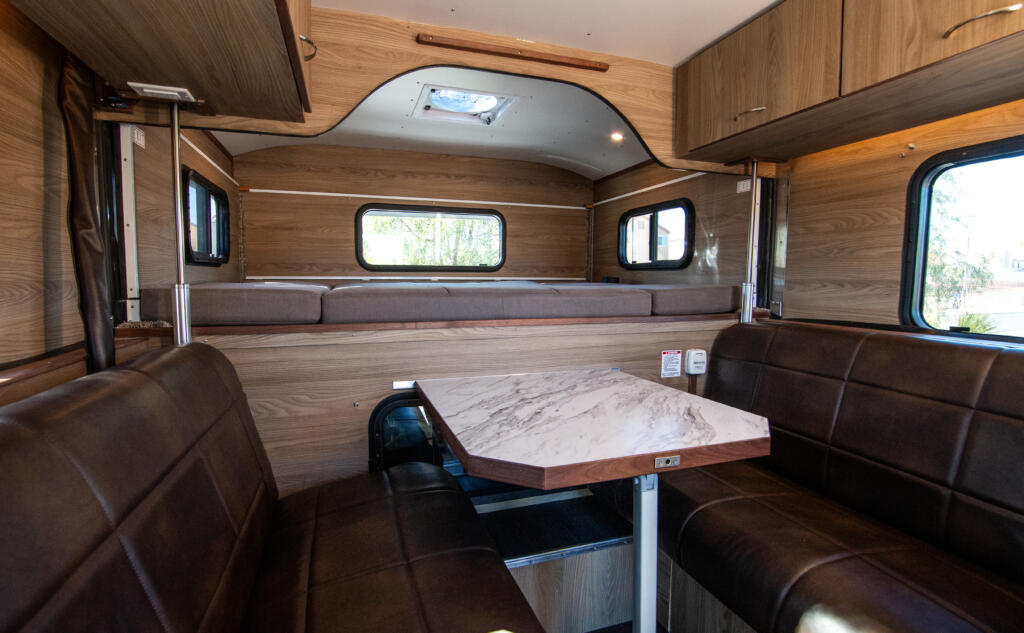
After real miles, owners refine the details that affect them every day. Ventilation patterns. Storage placement. Lighting position. Where wet boots go during a rainstorm. Small adjustments compound over time. Many owners highlight things like:
- Efficient airflow and ventilation
- Quick-access storage for daily gear
- Optimized electrical system for how they camp
- Easy bed access and storage organization
- Thoughtful zone design that matches daily use
Good design isn’t about maximum capacity. It’s about minimizing mental load. If this stage resonates, revisit:
- Gary Gibson: An Eye for Detail in the Sequoia National Forest
- Setting Up Your Alaskan at a Campsite
- Condensation & Moisture Management in Truck Campers
5) The first season isn’t a judgment — it’s a refinement
The most satisfied Alaskan owners rarely describe their camper as finished. They describe it as tuned. The first season is where assumptions meet reality. You discover how often you use the shower. Whether you prefer dispersed forest roads or established campgrounds. How your family actually moves inside the space. What your real travel rhythm looks like.
That information doesn’t exist in a showroom. It only shows up after nights on the road. Experienced owners treat year one as field research. They camp. They observe. They note friction points. Then they adjust deliberately instead of reacting impulsively.
That mindset also influences resale and long-term value. A camper that’s been thoughtfully maintained and incrementally tuned reflects intention, not experimentation.
If you’re early in ownership, these are worth revisiting:
- Shoppers Hub – Why Alaskans Hold Value
- Downsizing From a Fifth Wheel to a Truck Camper
- Kid-Friendly Camp Setup in 15 Minutes
Iteration is not second-guessing. It’s part of ownership.
Wrapping It Up
The Alaskan camper itself is a capable platform. Hard-sided. Low profile. Built for real travel.
What changes over time is not the camper’s integrity. It’s your clarity.
Stability. Packing discipline. Off-grid planning. Daily friction reduction. Intentional refinement.
The second season feels better not because something was wrong in the first. It feels better because you now understand how you actually travel.