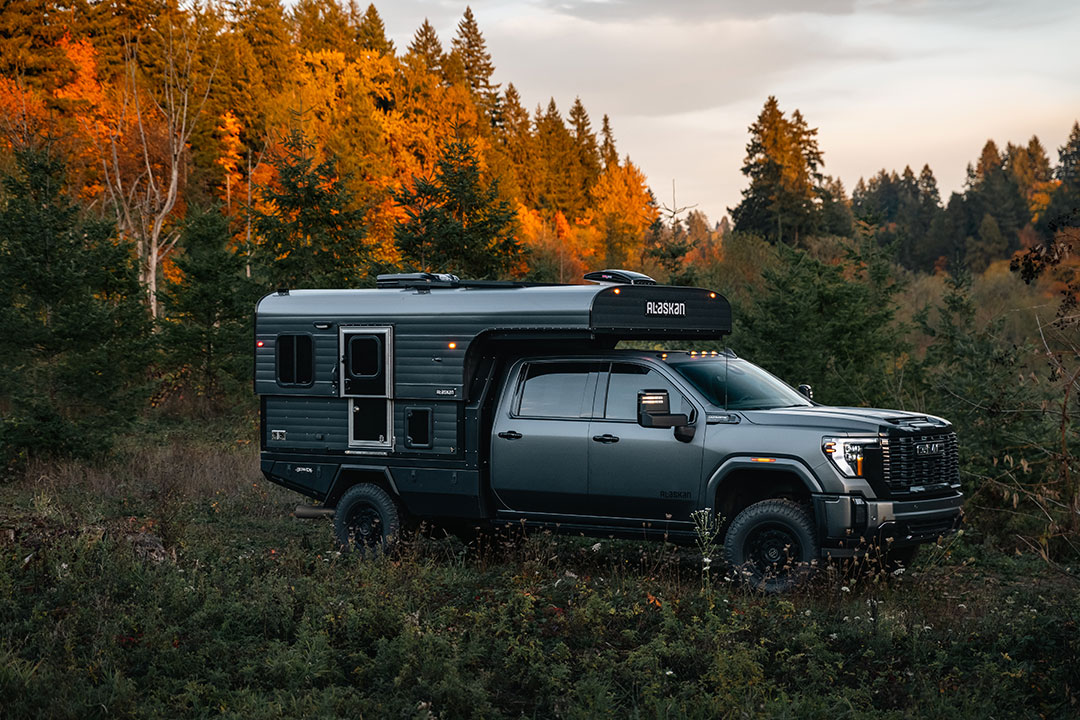
An Alaskan is built for real travel, and this is where you learn how to get the most out of it. From route guides to seasonal prep, off-grid tips, and hands-on skills, these resources help you use your camper confidently in any season and any terrain.
This ~800–950-mile Utah loop connects five national parks across southern Utah, with Scenic Byway 12 as the backbone between Bryce Canyon and Capitol Reef. It’s built for truck campers who travel self-contained, value flexibility, and want a road-tested route they can run end to end or adapt based on weather, crowds, and timing.

This 1,800-mile California loop links seven national parks, moving from desert basins to alpine passes, volcanic craters, and redwood forests. It’s designed for truck campers who travel light, value flexibility, and want a road-tested route they can follow end to end or break into shorter, quieter stretches at their own pace.
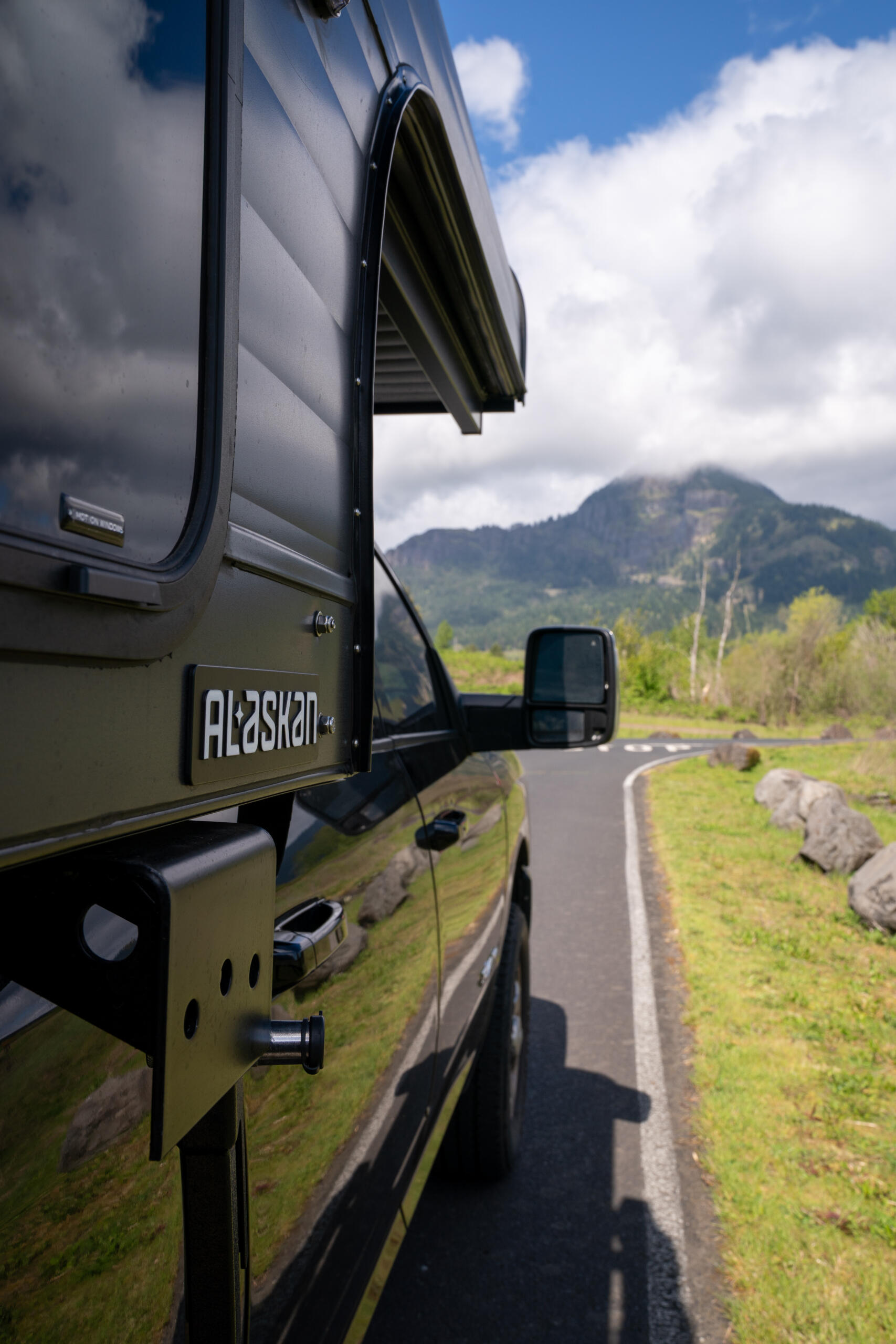
The Cascade Loop is a 440-mile circuit through Washington’s mountains, rivers, deserts, and coast—perfect for truck campers who want a flexible, scenic route packed with detours, dispersed camping options, and big views. It’s a slow-down-and-savor kind of trip, built for rigs that travel light and stop wherever the views demand it.
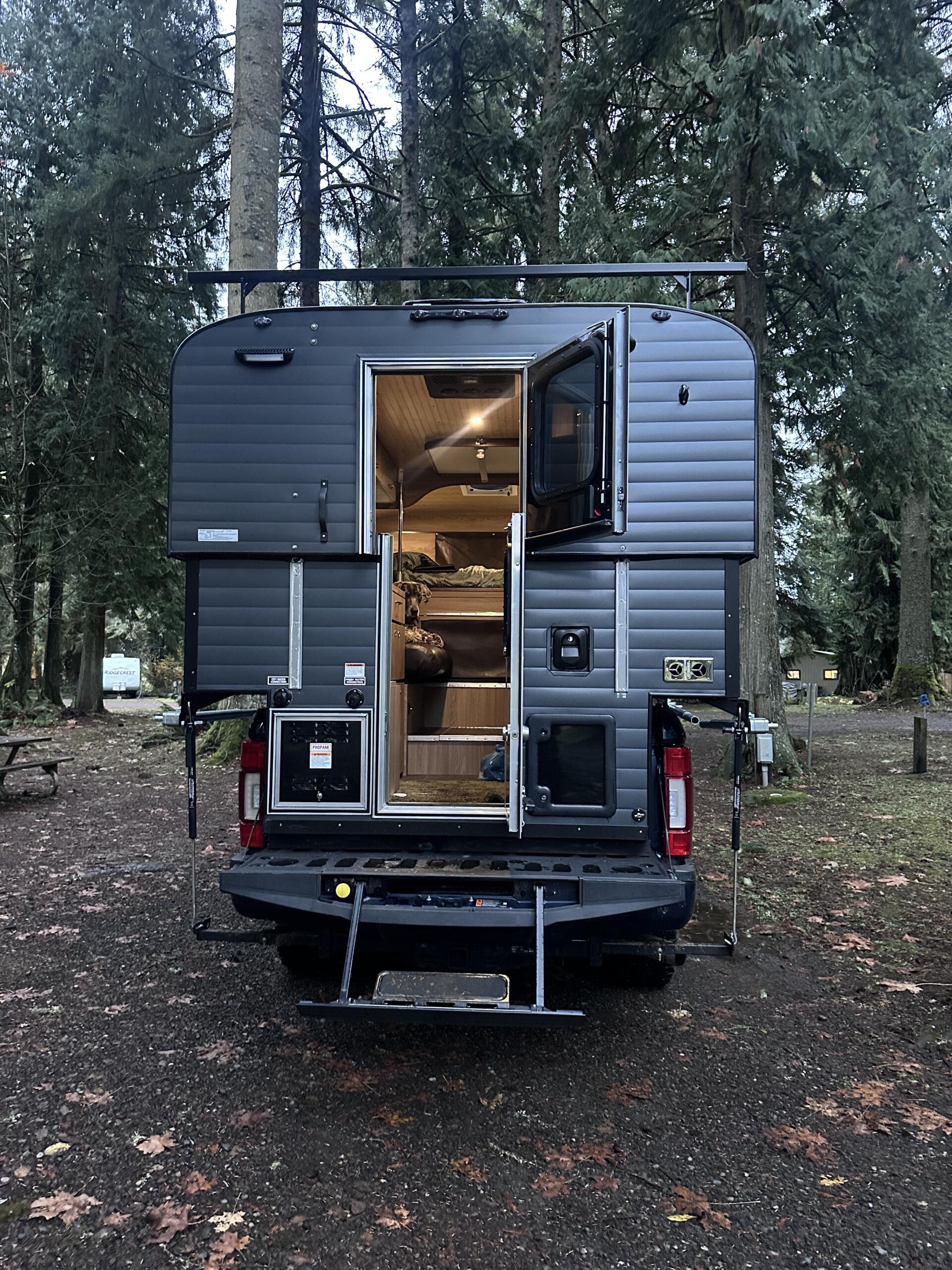
The North Rim Grand Traverse is a 550-mile backcountry challenge built for high-clearance rigs, self-reliant travelers, and anyone who prefers solitude over pavement. Fuel is scarce, roads are rough, and the overlooks are unreal. This guide highlights the must-see stops so you can build your own route and stay alive doing it.
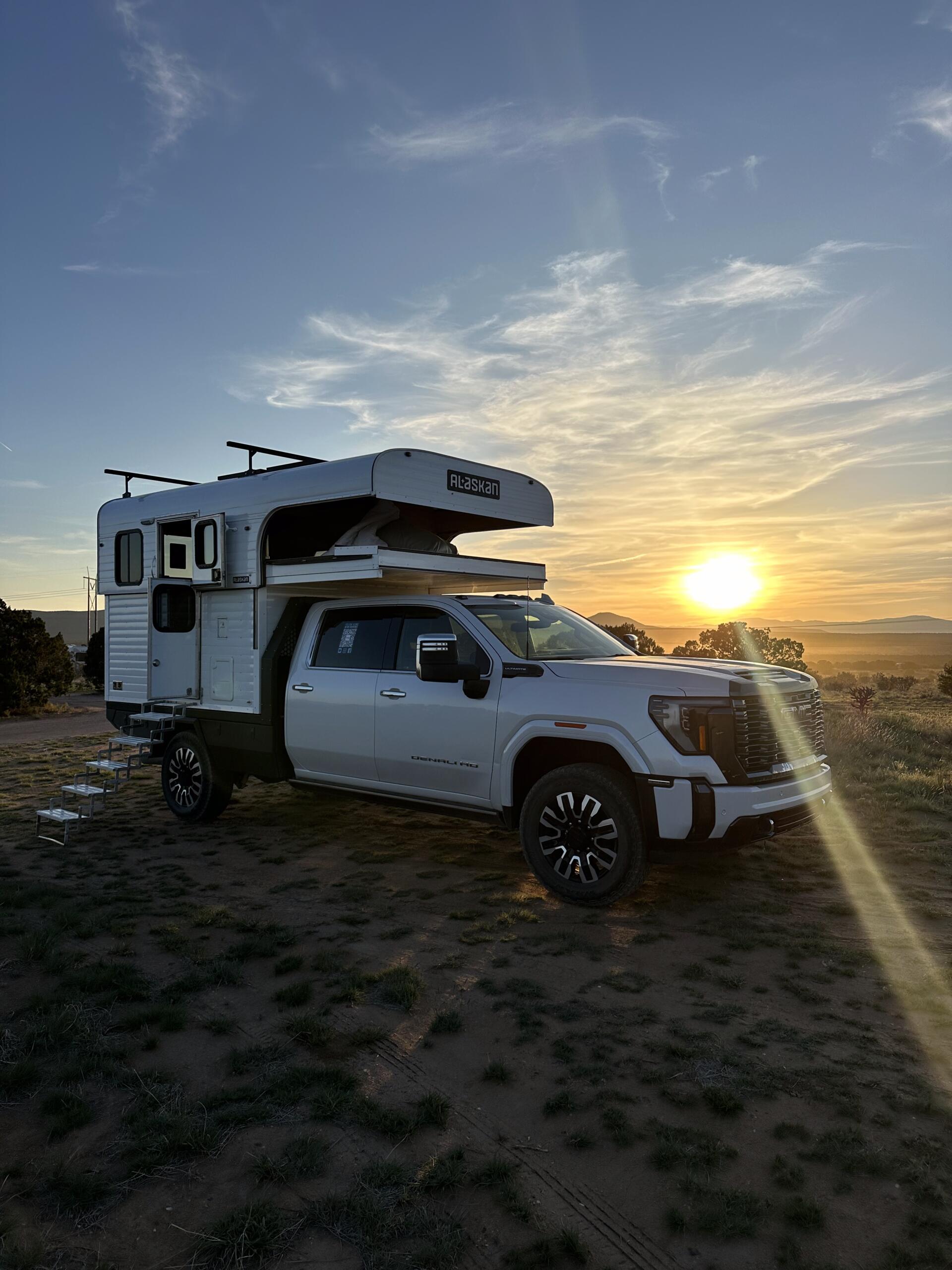
The Beartooth Highway is a 68-mile alpine byway climbing nearly 11,000 feet between Red Lodge and Yellowstone. With tundra vistas, historic stops, tight switchbacks, and unpredictable weather, it’s a short route with outsized drama. This guide highlights when to go, what to expect, and the must-see stops worth slowing down for.
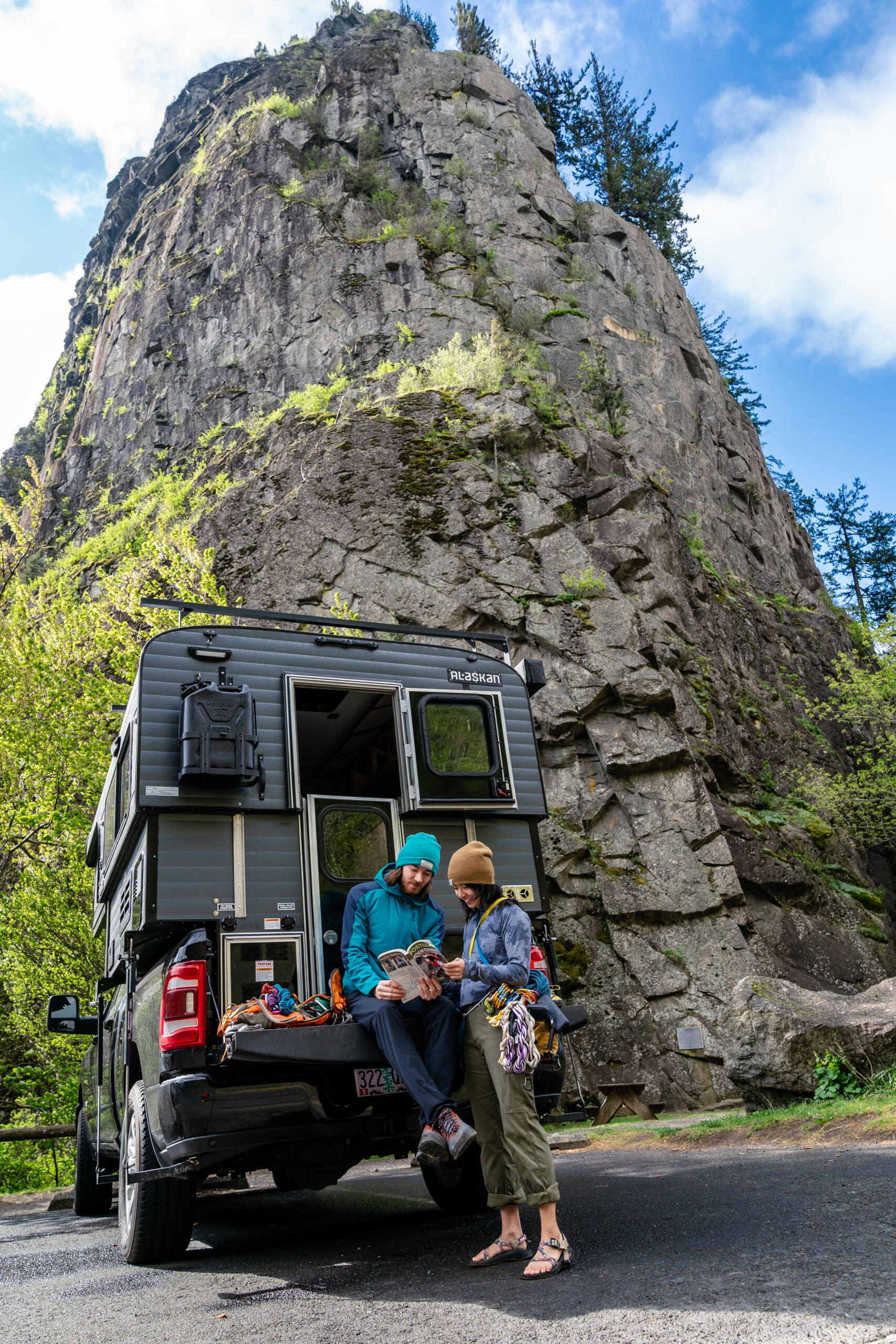
This ~800–950-mile Utah loop connects five national parks across southern Utah, with Scenic Byway 12 as the backbone between Bryce Canyon and Capitol Reef. It’s built for truck campers who travel self-contained, value flexibility, and want a road-tested route they can run end to end or adapt based on weather, crowds, and timing.
This 1,800-mile California loop links seven national parks, moving from desert basins to alpine passes, volcanic craters, and redwood forests. It’s designed for truck campers who travel light, value flexibility, and want a road-tested route they can follow end to end or break into shorter, quieter stretches at their own pace.
The Cascade Loop is a 440-mile circuit through Washington’s mountains, rivers, deserts, and coast—perfect for truck campers who want a flexible, scenic route packed with detours, dispersed camping options, and big views. It’s a slow-down-and-savor kind of trip, built for rigs that travel light and stop wherever the views demand it.
The North Rim Grand Traverse is a 550-mile backcountry challenge built for high-clearance rigs, self-reliant travelers, and anyone who prefers solitude over pavement. Fuel is scarce, roads are rough, and the overlooks are unreal. This guide highlights the must-see stops so you can build your own route and stay alive doing it.
The Beartooth Highway is a 68-mile alpine byway climbing nearly 11,000 feet between Red Lodge and Yellowstone. With tundra vistas, historic stops, tight switchbacks, and unpredictable weather, it’s a short route with outsized drama. This guide highlights when to go, what to expect, and the must-see stops worth slowing down for.
How often should I inspect the hydraulic lift system?
Seasonally, plus a quick pre-trip check; look for leaks, worn seals, and uneven lifting, and stop immediately if the roof rises out of sync.
Can I store the camper on its jacks?
No. Alaskans require full, even support across the entire base; use a platform, pallet, or heavy-duty sawhorses with a plywood deck.
What’s the best way to manage condensation?
Ventilate early and often: crack windows, run the roof vent, and use a small fan to keep moisture from collecting on cold surfaces.
How much solar do most owners need?
Typical weekend use works with 100–200W; extended boondocking, winter camping, or inverter-heavy loads generally call for 300W+ plus added battery capacity.
How do I winterize the camper properly?
Drain all tanks, bypass and empty the water heater, blow out lines, and add RV antifreeze to traps (or fully through the system in colder regions); don’t forget outside showers or low-point drains. See our full guide, here.
How should I manage tire pressure when carrying an Alaskan?
Use your tire manufacturer’s load-inflation table and run pressures near the recommended maximum for your loaded weight; never drive under-inflated with a camper on.
Other resources that help you run your rig safely, solve common owner questions, and get more out of your Alaskan everywhere you travel.

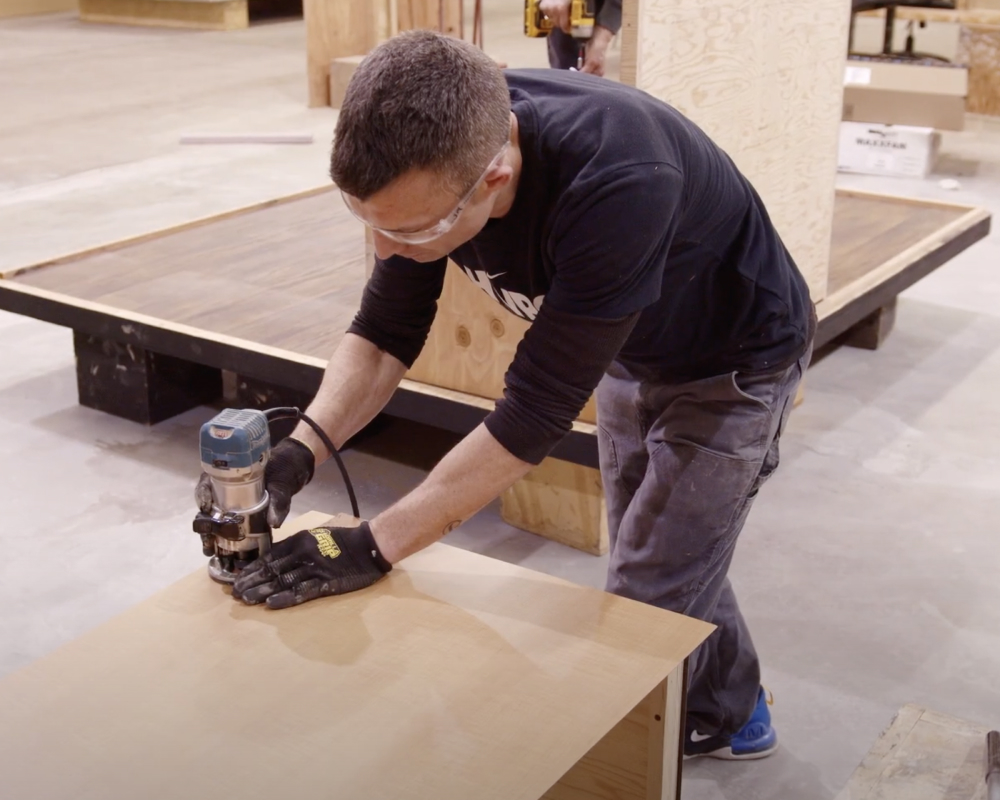
I always liked having something to work on and something to plan around.
65+ Year History
We’re the original, hard-sided pop-up pioneers and quite proud of our tradition of fine craftsmanship and innovation—built entirely in the USA since 1958.
Learn More
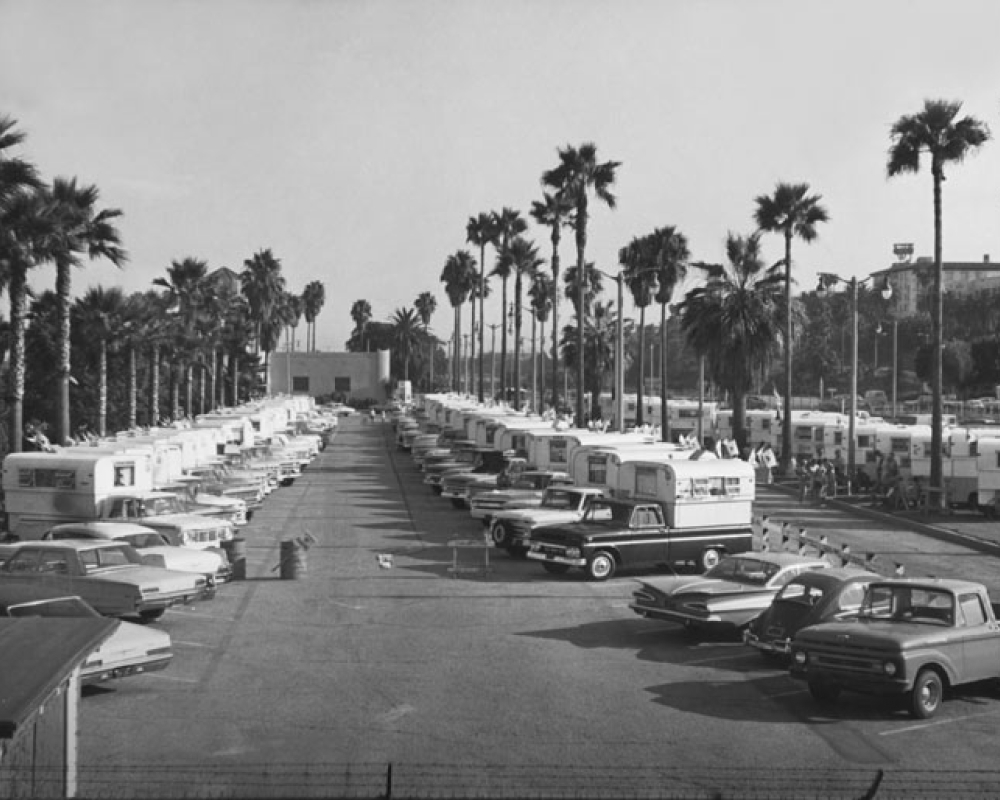
Hard-Sided, Pop-Up
The only hard-sided pop-up of its kind on the planet.
Solid, protected, and comfortable without sacrificing agility—we’re ready to take on whatever mother nature can throw down.
Learn More
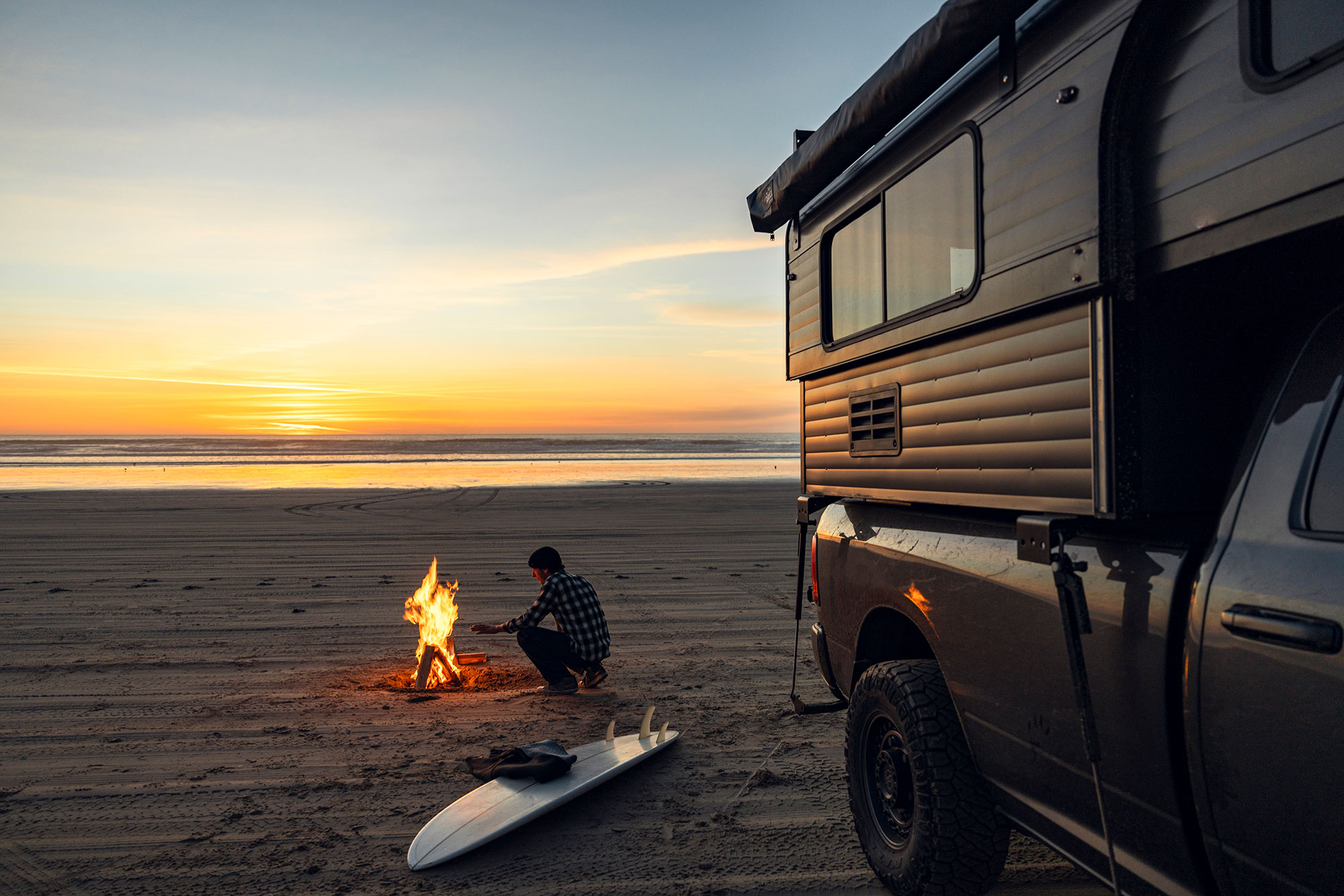
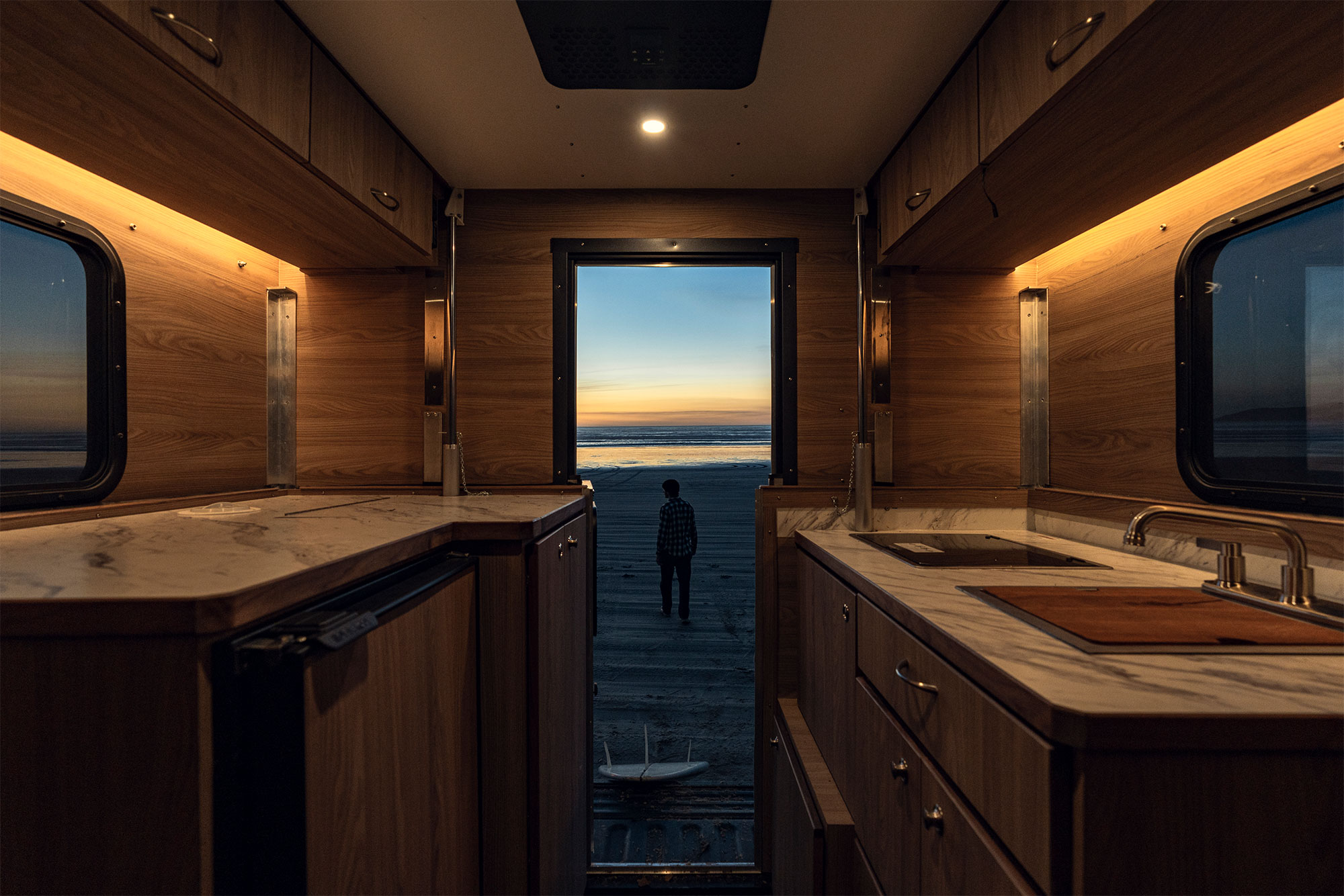
Flexible Interior Packages
From classic styles to more modern, minimalist designs, explore our range of interior packages designed to look great and durably built to withstand the rigors of the outdoors.
Learn More
Custom-Built for You
Collaborate closely with our design team to tailor your Alaskan to your adventures. Customize options and add unique features to make it distinctly yours.
Learn More
Simple Purchasing Process
Build online at your own pace or pick up the phone and talk through everything with our team—either way, we make it easy to get behind the wheel sooner than you might think.
Learn More