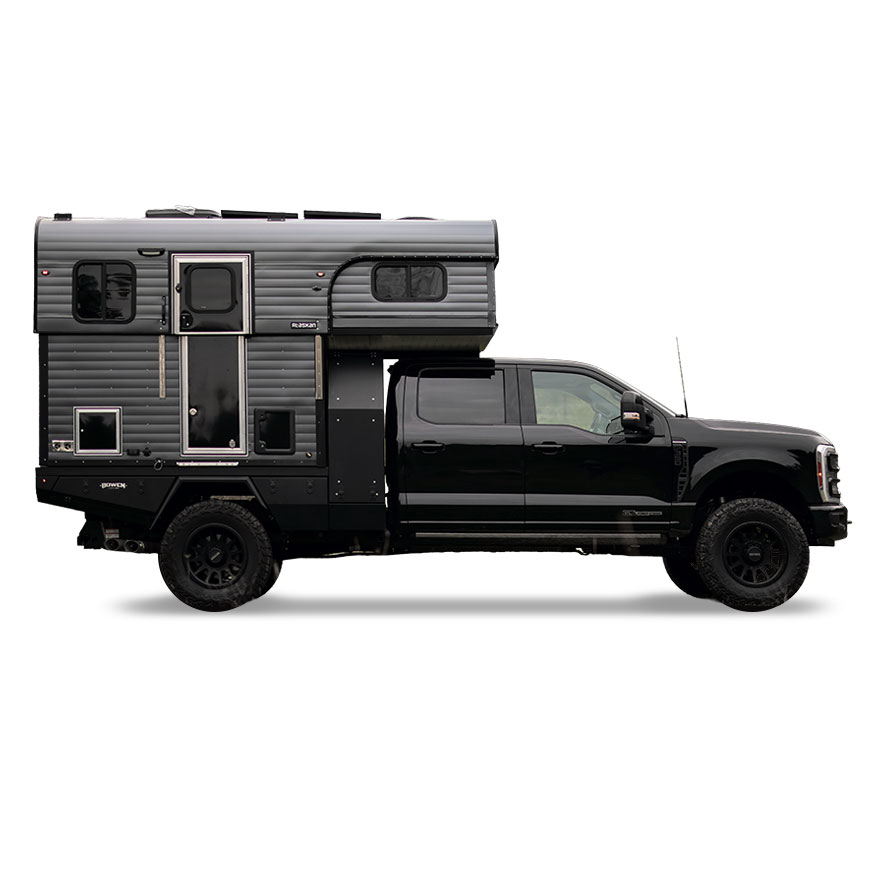


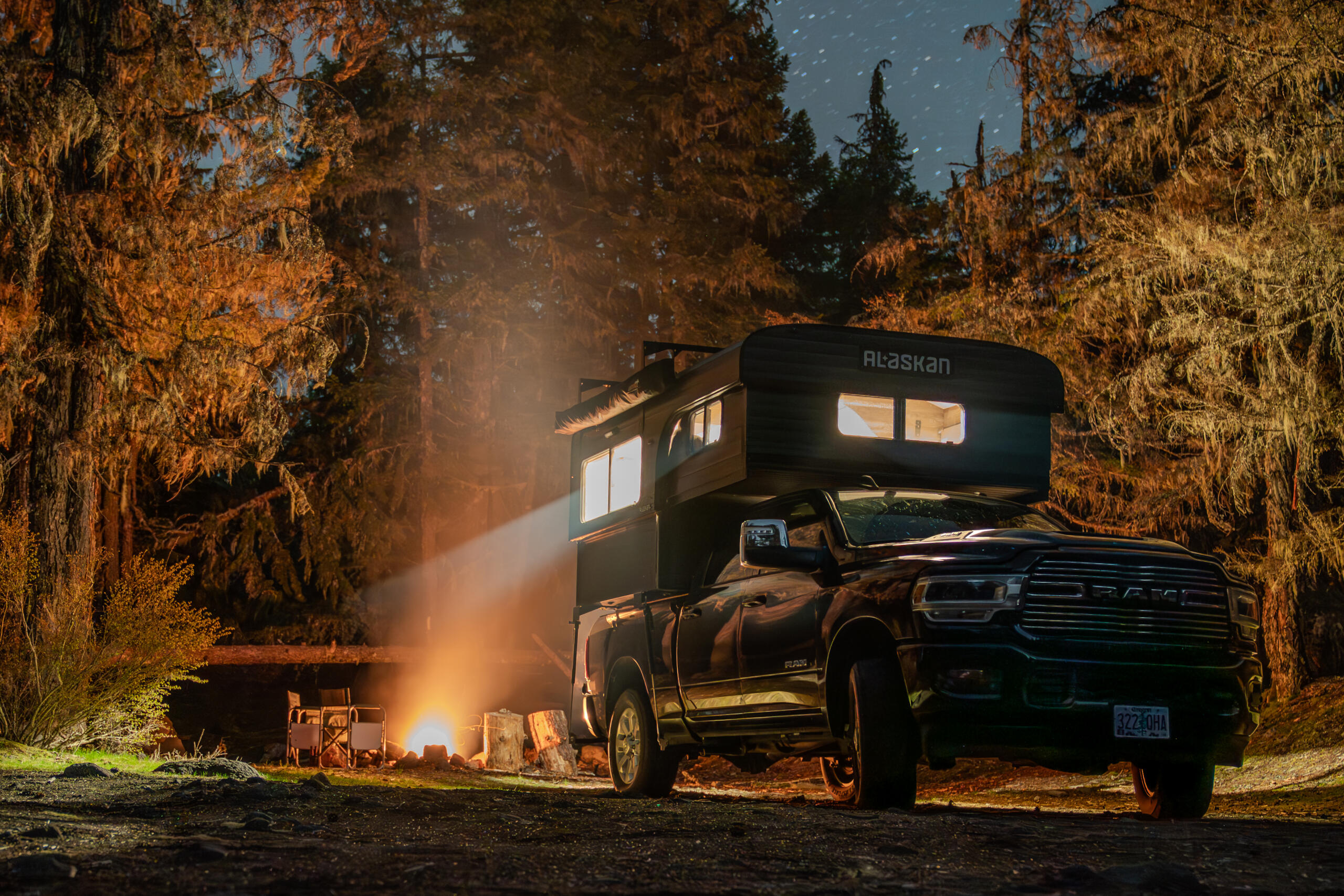





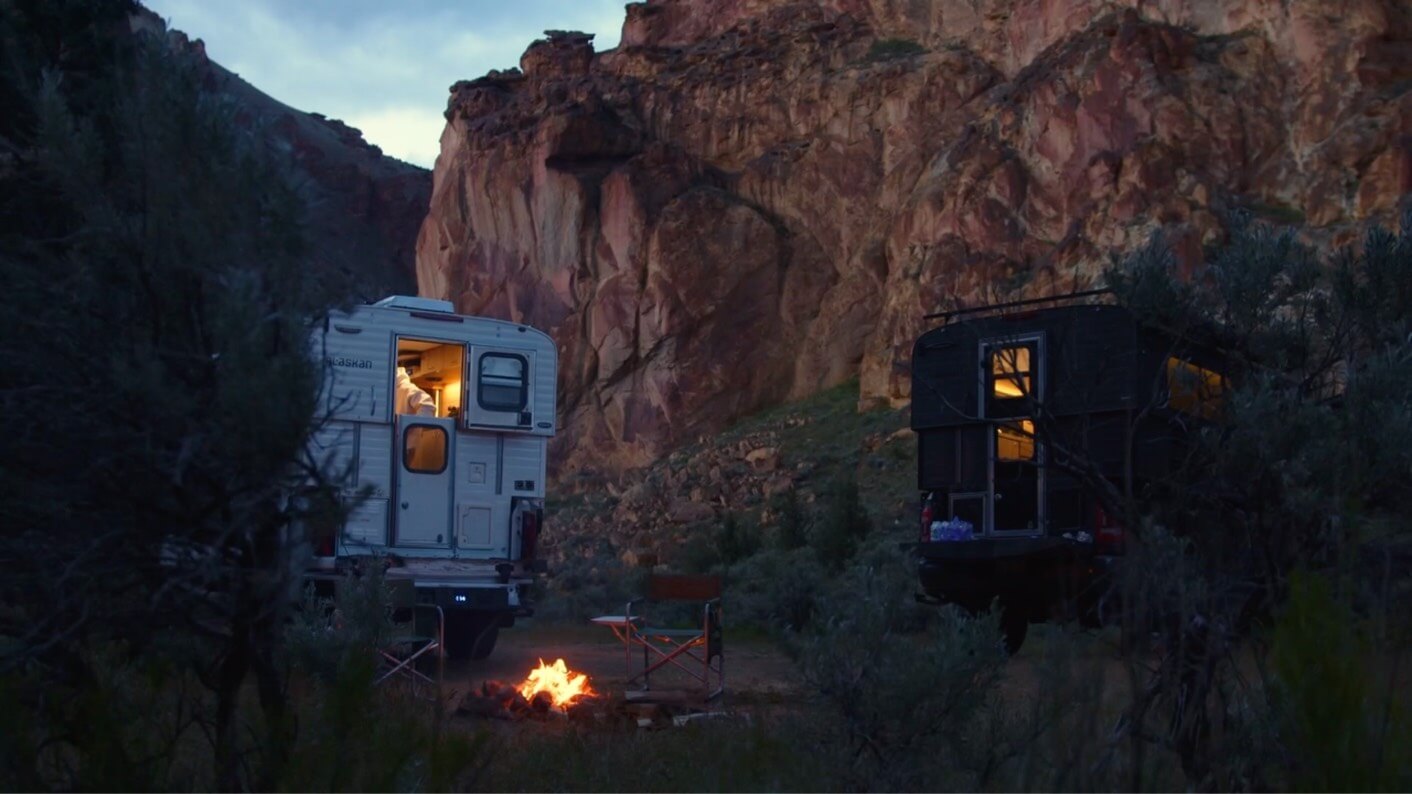
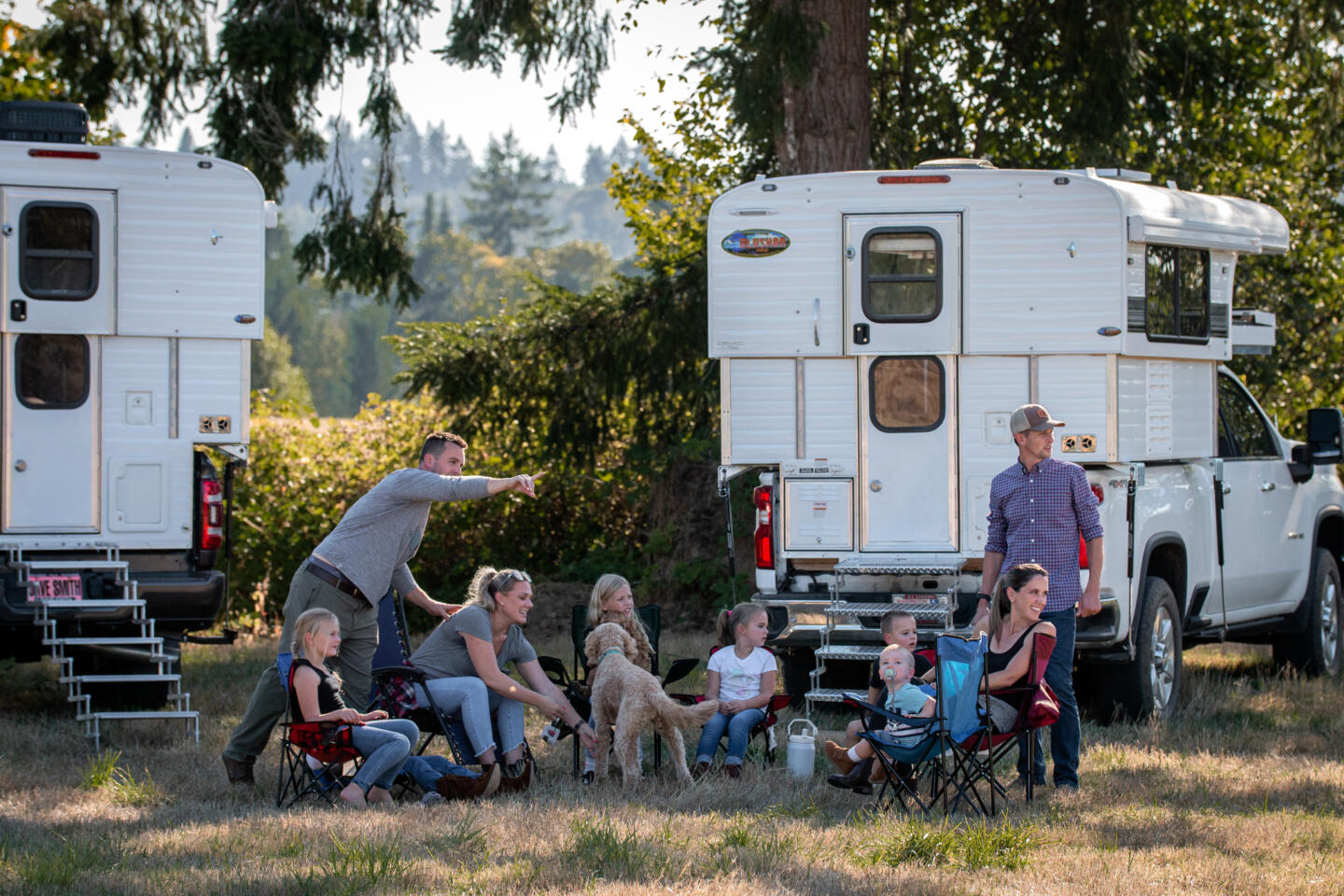
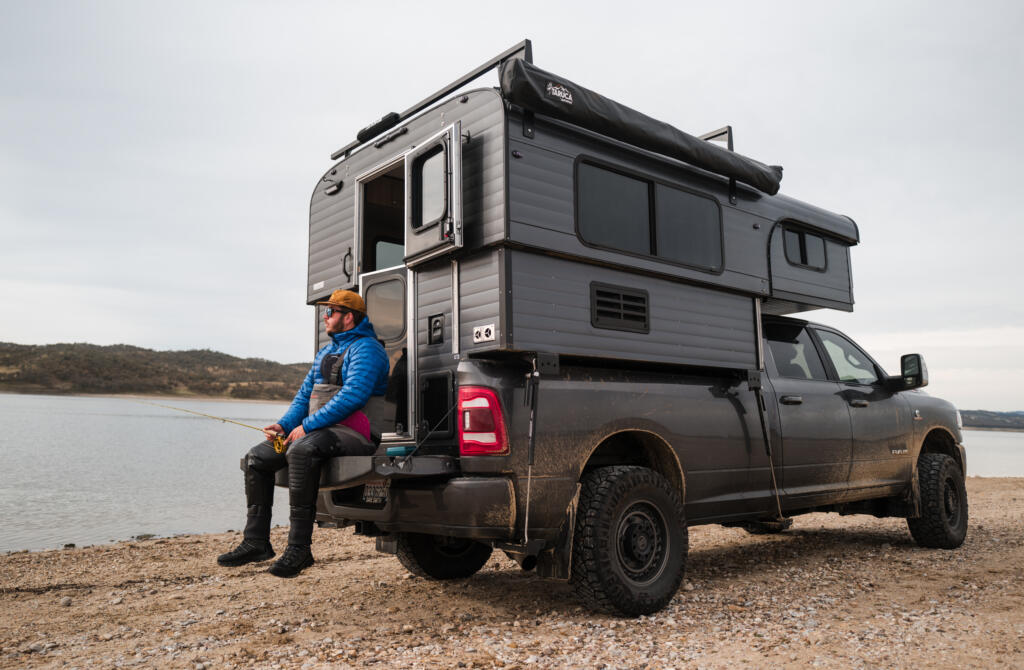
Built with a solid-frame, hard-sided design, Alaskan Campers provide greater protection from wind, weather, moisture, and temperature swings than traditional soft-sided pop-ups. Insulated walls and ceilings help maintain a more consistent interior environment through changing conditions and longer stays off-grid.
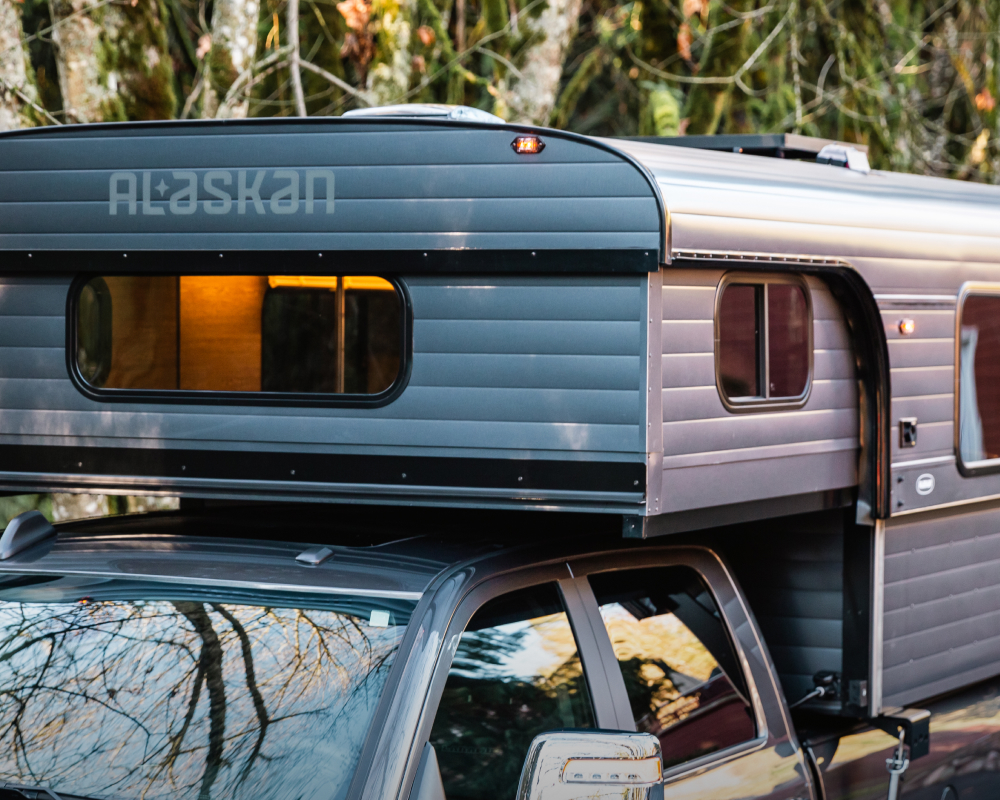
Alaskan Campers are the only hard-sided, pop-up truck campers on the market. Our telescopic design lowers for travel and raises into a fully hard-sided living space at the push of a button, combining the practicality of a pop-up with the comfort and security of solid-wall construction.
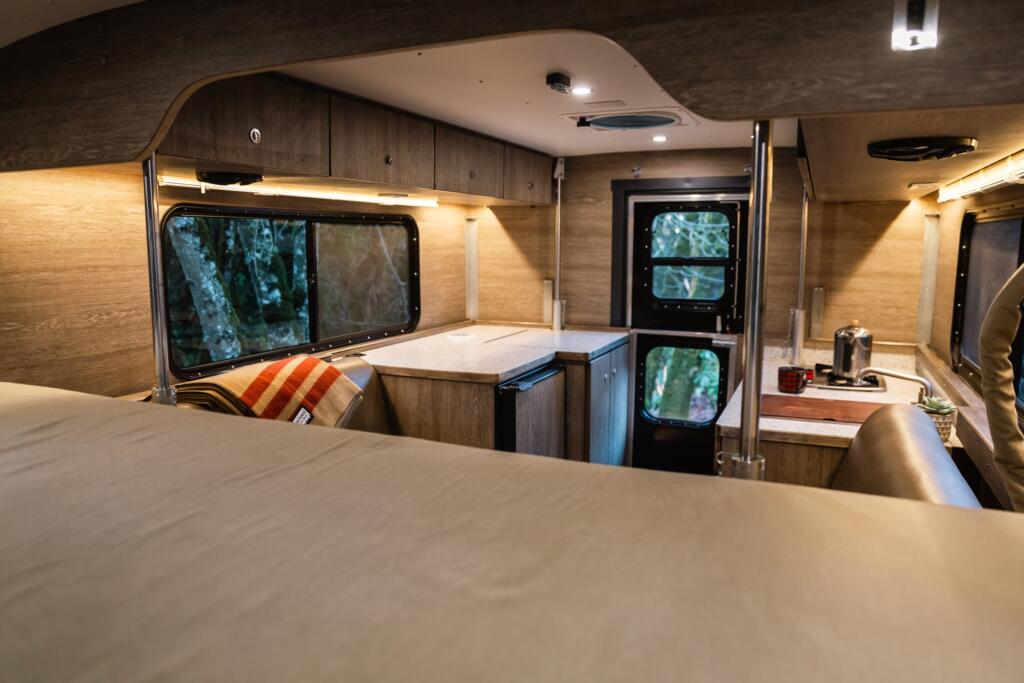
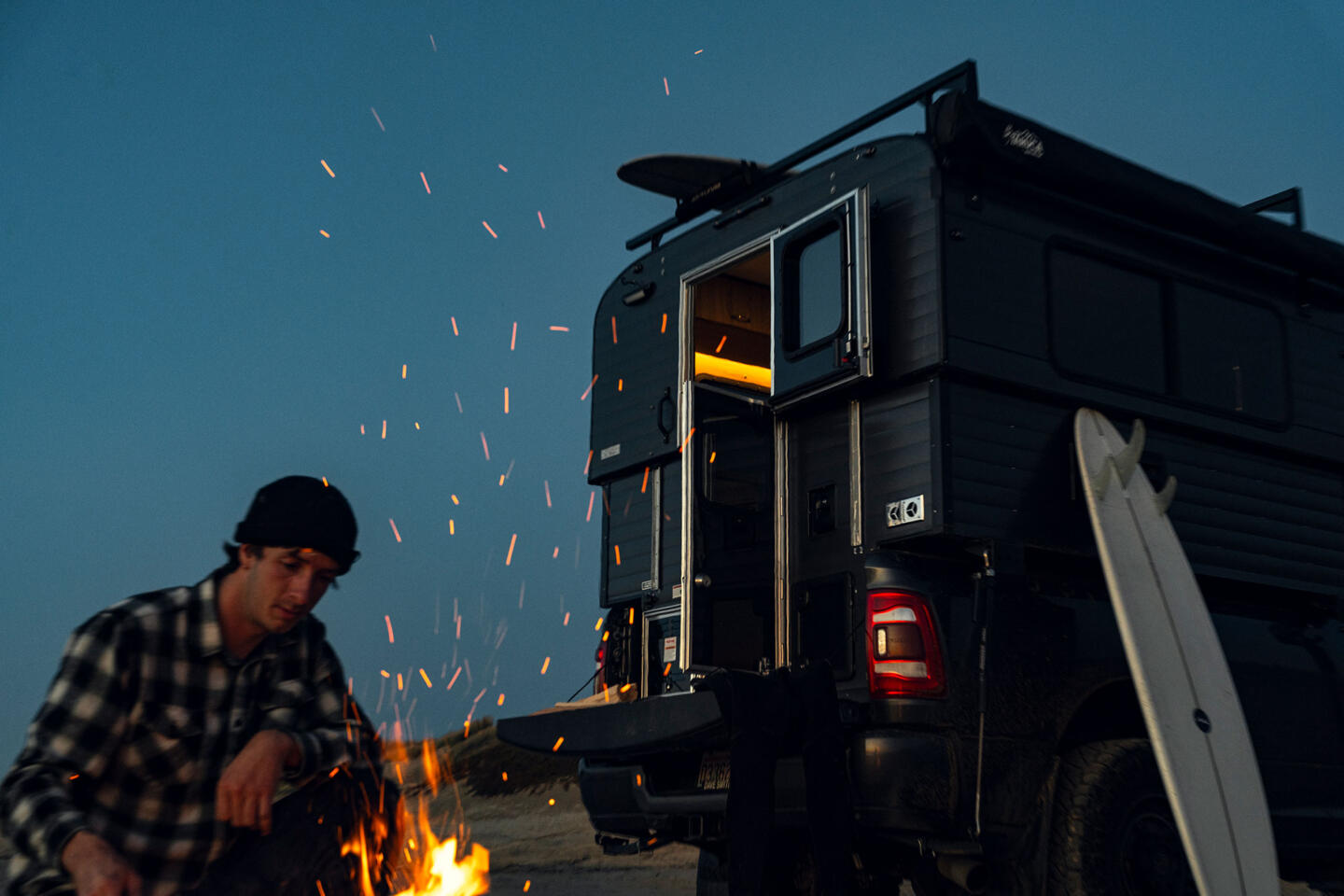
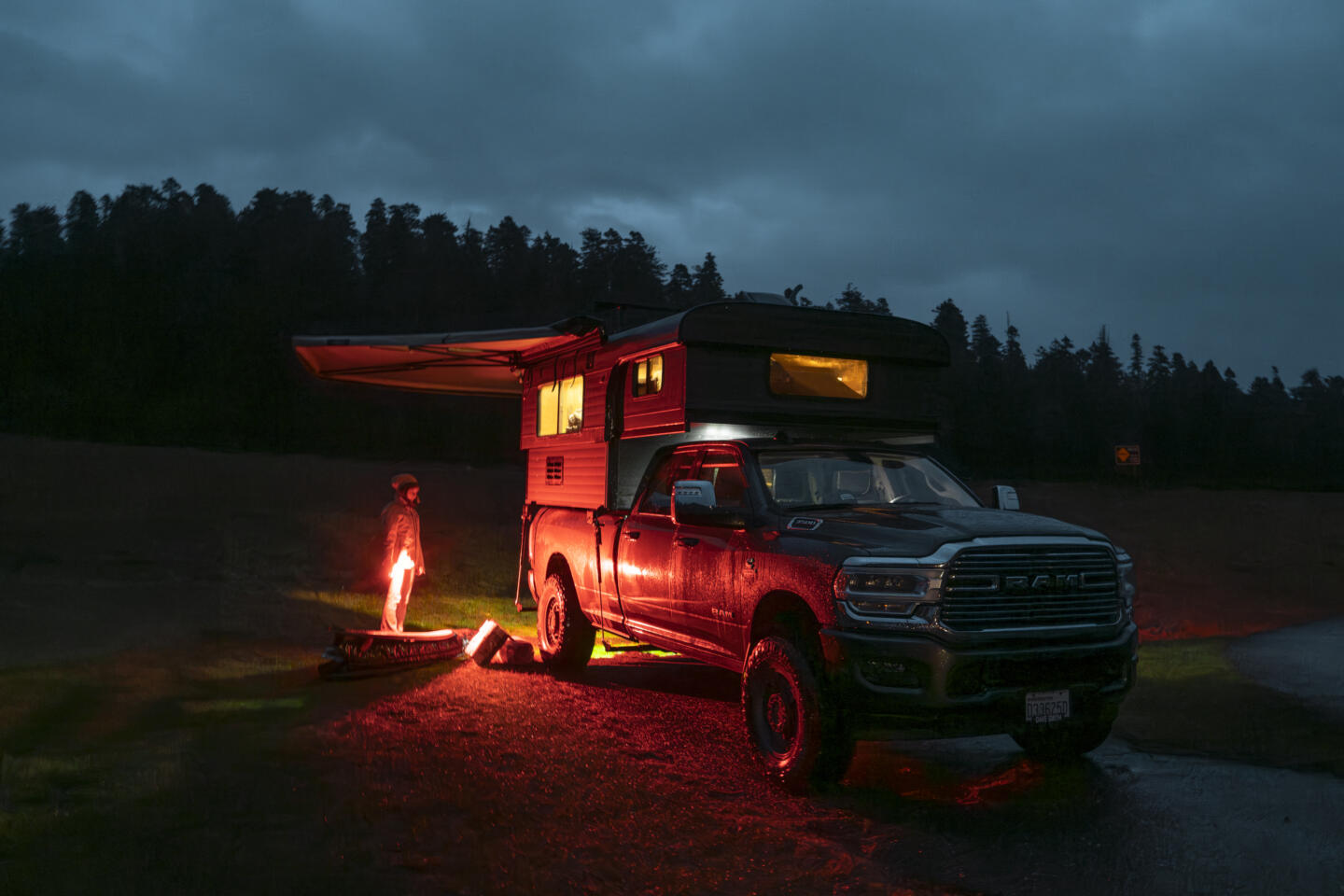
The difference becomes obvious once camp is set. Wind noise softens. Temperatures feel more stable. Rain stays outside where it belongs. The interior feels calmer, more comfortable, and easier to live in during longer trips and changing weather.
Soft-sided campers move, flap, and transmit outside noise more directly into the living space. Solid-wall construction creates a calmer interior when weather shifts or campsites stay exposed.
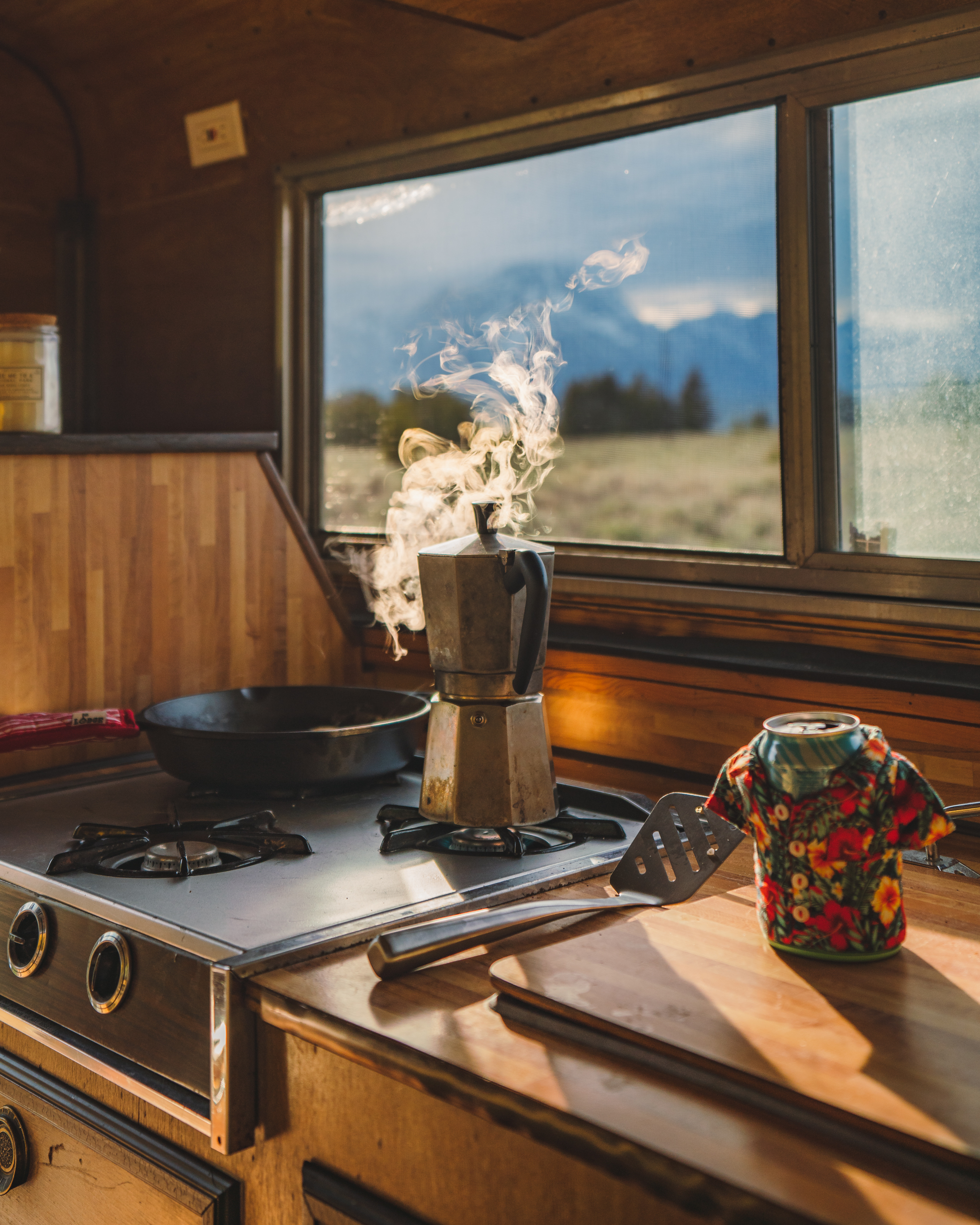
Hard-sided insulated construction helps maintain interior conditions more consistently from cold mornings to hot afternoons, reducing the constant adjustment often required in soft-sided campers.
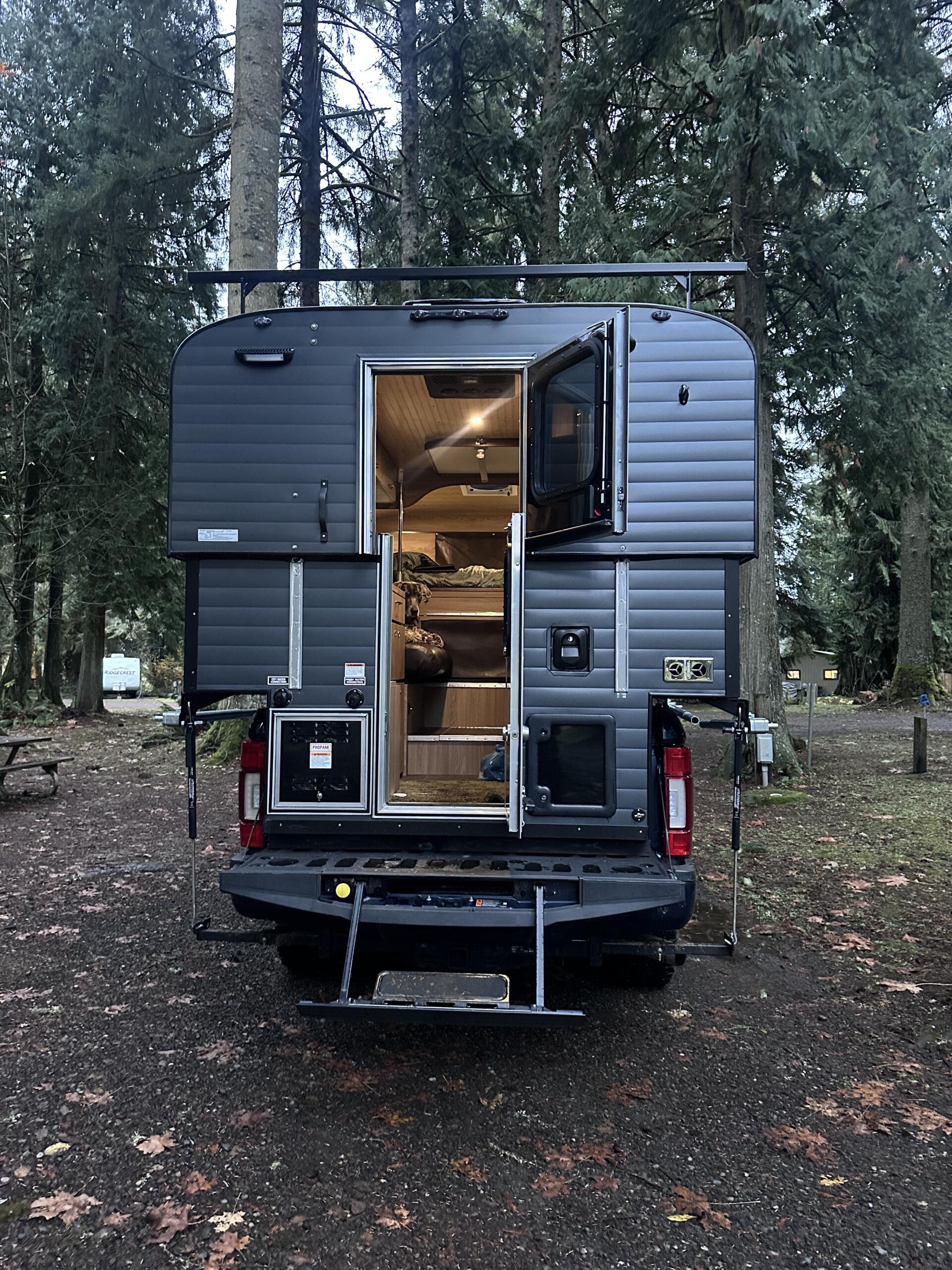
Changing weather becomes easier to manage with solid walls and insulated construction designed for real-world conditions.
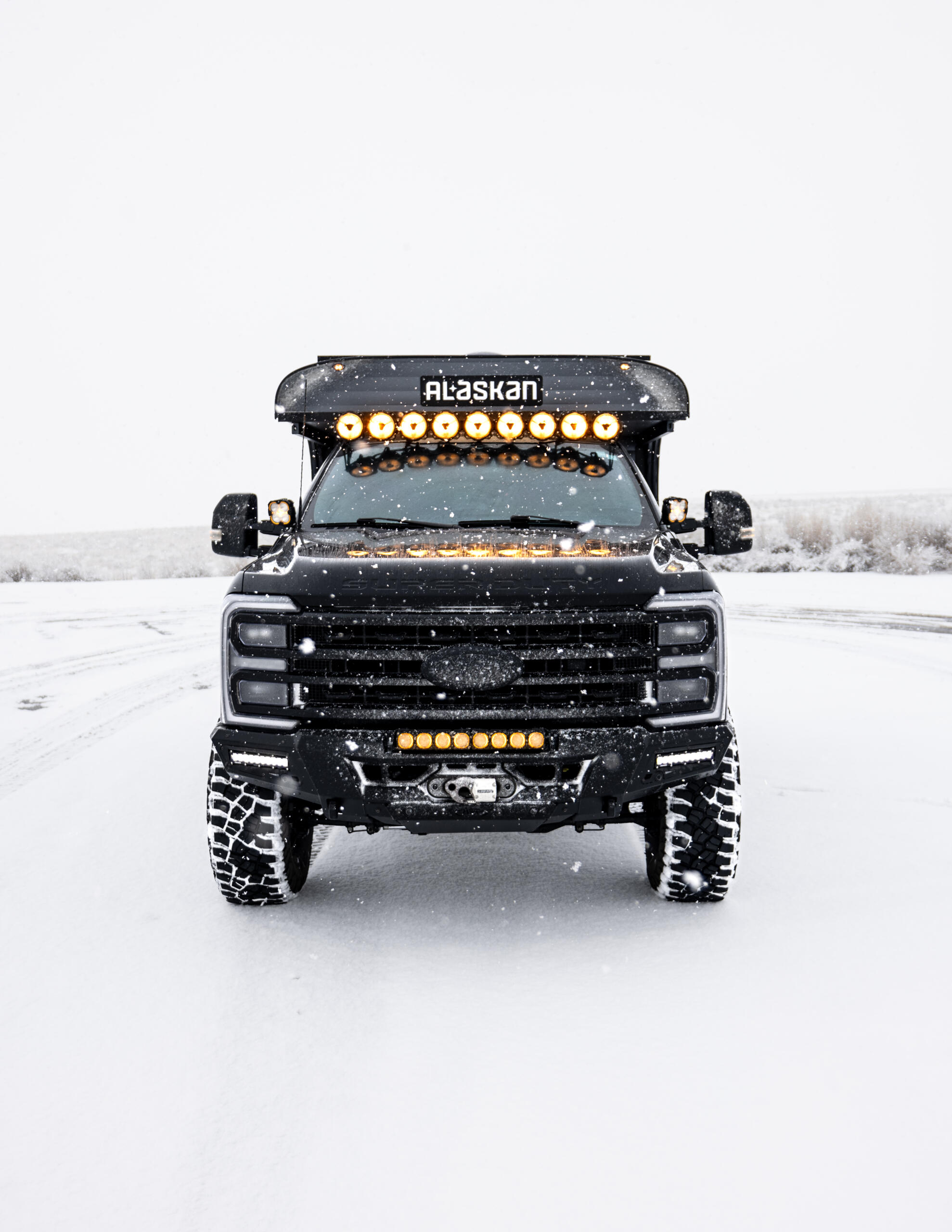
The experience changes once camp is set. Cooking dinner, reading during storms, working remotely, or turning in after a long day all feel more comfortable in a quieter, solid-walled space.
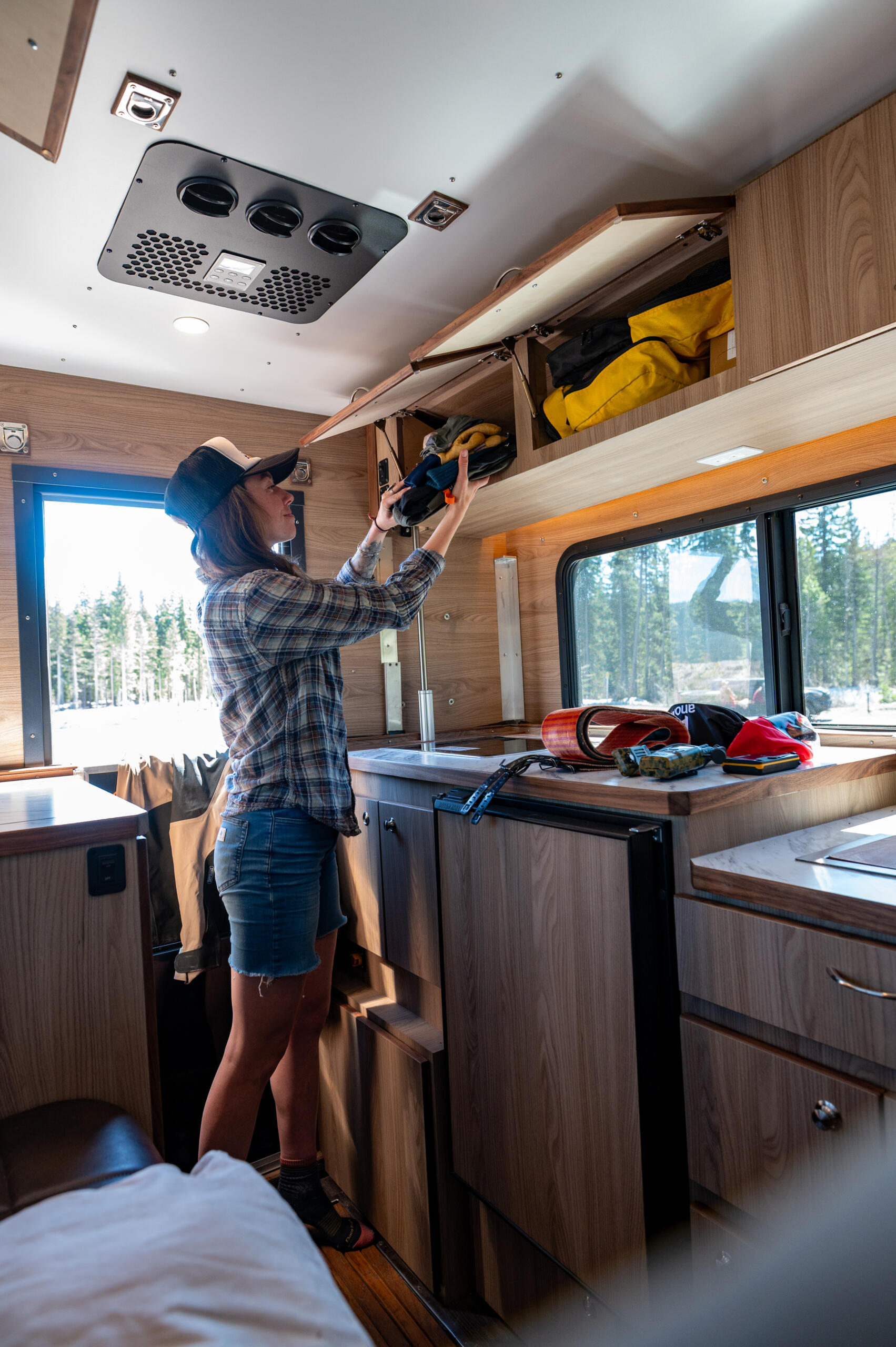
Soft-sided campers move, flap, and transmit outside noise more directly into the living space. Solid-wall construction creates a calmer interior when weather shifts or campsites stay exposed.
Hard-sided insulated construction helps maintain interior conditions more consistently from cold mornings to hot afternoons, reducing the constant adjustment often required in soft-sided campers.
Changing weather becomes easier to manage with solid walls and insulated construction designed for real-world conditions.
The experience changes once camp is set. Cooking dinner, reading during storms, working remotely, or turning in after a long day all feel more comfortable in a quieter, solid-walled space.
Bed length, payload, center of gravity, and overall balance all shape how your rig handles and performs. Alaskan’s lineup is built around that reality, with multiple models and configurations that give you real flexibility in how your camper fits and functions. Some are designed to work with the tailgate closed on standard truck beds for a more compact, secure setup.
Others are built for flatbed trucks, opening up side-entry floorplans, expanded storage, and a different approach to how you move through the space. Across the lineup, you have options to build around your truck, your travel style, and how you actually use the camper instead of forcing everything into a single configuration.
Getting the right setup isn’t always obvious on paper. Bed length, payload, and how you plan to use the camper all play a role.
Use the builder to explore different models and configurations, or reach out to our team to talk through your truck, your plans, and what will work best long term.
What are the benefits of a hard-sided pop-up camper?
Hard-sided construction blocks wind, rain, road noise, and temperature swings in a way soft-sided campers can’t match. The result is a quieter, more stable interior at camp — without giving up a lower travel profile on the road.
Does the hard-sided design help with insulation?
Yes. Solid walls hold heat more consistently and eliminate the drafts that soft-sided campers are prone to, making a noticeable difference in cold or windy conditions.
How does hard-sided construction help with condensation?
Hard-sided walls reduce the moisture exposure and temperature swings that commonly cause condensation in soft-sided campers. Newer Alaskan models also incorporate improved materials and thermal-break construction to better manage interior moisture across real-world conditions.
Does the hard-sided design affect durability?
It’s central to it. The solid-frame construction is built to handle rough roads, hard weather, and decades of use — which is why so many early Alaskans are still on the road today.
Do hard-sided campers feel different inside?
Most owners notice it immediately. The interior feels genuinely sheltered — quieter, more stable, and more comfortable — particularly in wind, rain, or cold.
Does a hard-sided camper still allow a lower travel height?
Yes. Alaskan Campers travel low — better handling, fuel efficiency, and clearance on tighter roads — then raise into a fully hard-sided living space once you’re set up.

I have a tendency to meet people randomly and end up in places I didn't anticipate—and that is my favorite part of this trip.