Mike’s One Piece of Retirement Advice: Buy Your Toys before You Retire
At 84, Mike Dahlager is shopping for his fourth Alaskan. He’s owned other campers along the way, but Alaskans keep finding their way back into his life because they suit how he operates. They’re straightforward, durable, and built to be adjusted over time. Mike has always treated a camper as something you live with and work on—something you fix when it needs fixing, adapt to the moment you’re in, and keep moving with.
That mindset didn’t come from theory. It came from experience. Mike traces it back to his very first Alaskan. He bought it from a man who had done everything right on paper. The camper was packed, prepped, and ready to go. The plan was simple: use it once retirement finally arrived.
Retirement came. A week later, the man was gone.
Mike didn’t tell that story for effect. He told it because it stayed with him. Not as a warning, exactly, but as a reminder of how easy it is to postpone the things you care about while assuming there will always be time later.
Years after that, Mike heard Clint Eastwood use the phrase “don’t let the old man in.” It resonated because it put words to a lesson he’d already learned. Somewhere along the way, Toby Keith turned it into a country song. That part doesn’t matter much.
What mattered to Mike was the practical version. Don’t wait. Don’t save the good parts for some future version of your life. Buy your toys before you retire. Use them while you still can.
That’s how Alaskans fit into Mike’s life. Never as rewards for later, never as something to preserve. Just tools that made it easier to go when the window was open.

Meet Mike
Mike Dahlager is 84 years old and has been fishing for Chinook and steelhead for most of his life. He grew up in Auburn, Washington, met his wife while attending Western Washington University in Bellingham, and began his career as a shop teacher—a role that fit his natural inclination toward building, fixing, and figuring things out.
In the late 1960s, Mike and his wife moved north to Anchorage, where he settled into a long chapter teaching vocational education—work he would continue for nearly twenty years. Outside the classroom, he learned an Alaska truth quickly: no one really does just one thing. Commercial fishing filled summers, winter work filled gaps, and long days were simply part of the rhythm. That way of working stuck. After retiring from commercial fishing in 1989, Mike shifted gears again, building an aerospace distribution business that took him across the Pacific. When that chapter wound down, fishing pulled him back in—not as a job, but as a craft—testing and refining lure designs on rivers like the Skagit, Snake, and Columbia.
Today, Mike designs and builds lures under the name Orion Tackle in Spokane. He’s still working, still fishing, and still choosing projects that give his days shape.
Alaskan #1: 1969, $150, and the road north
Mike’s first Alaskan came in 1969 and cost him $150. It was a well-used eight-foot, non-cab-over mounted on a half-ton Chevy, bought just before he and his wife made the move north to Anchorage. At the time, much of the drive to Alaska was still gravel, and the camper became a reliable base for travel, fishing seasons, and time spent away from home as he settled into both teaching and commercial fishing life.
It wasn’t an easy setup. Cold pushed every system to its limits. Propane barely cooperated. Condensation froze on the walls. But the camper held together and did its job through those early Alaska years, when fishing seasons were long and learning came fast. It became a practical education in what worked, what didn’t, and what actually mattered when you were far from help.
As commercial fishing began to take over more of his life, Mike sold the camper. He moved on to the next season. The experience stayed with him.
Alaskan #2: Lake Mead and heat lessons
Decades later, around 2000, Mike found himself drawn back to another used Alaskan—this time while living in the Southwest. It was another eight-foot non-cab-over, bought for $400 and mounted on a half-ton Dodge.
Its life revolved around fishing trips to Lake Mead, where winter use was manageable and summer made its opinion known. Heat built quickly inside the camper, and comfort became a real limitation. Mike didn’t fight it or try to force it into a role it wasn’t suited for. He paid attention, learned where its limits were, and sold it when it stopped fitting how he was actually camping—quietly adding air conditioning to the mental list of things he wouldn’t negotiate next time.
By then, he trusted the process. Pay attention, learn from the miles, and adjust the next time out.
Alaskan #3: The one he made his own
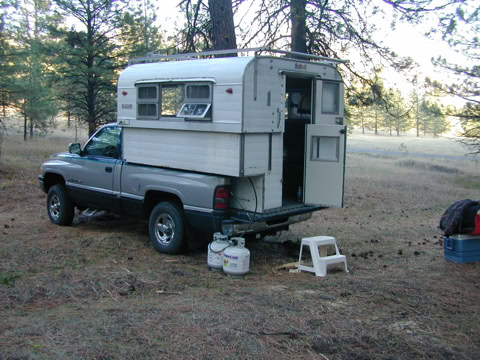
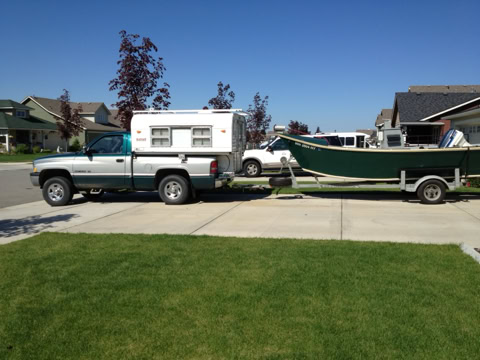
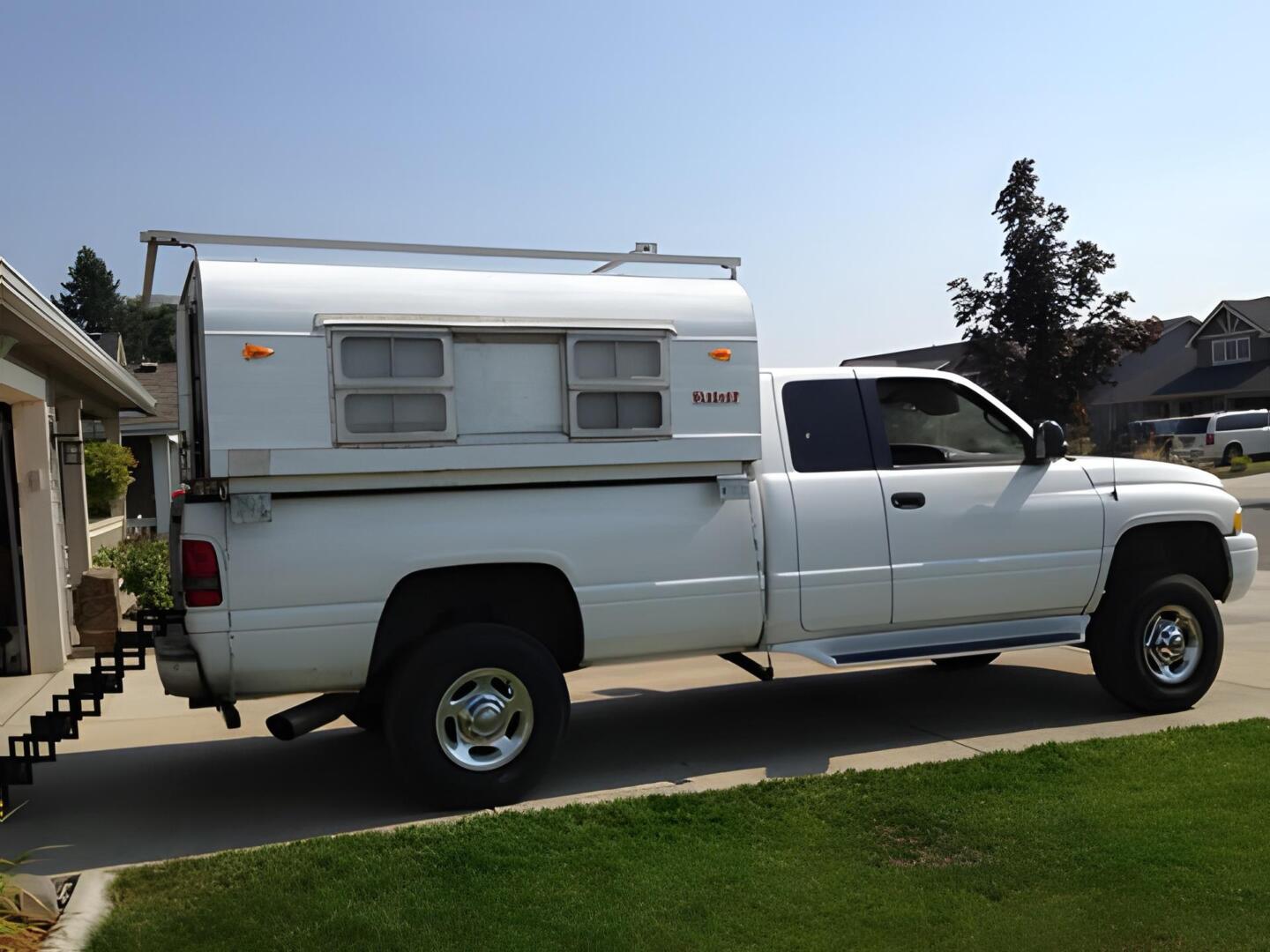
After moving to Spokane in the mid-2000s, Mike bought another used eight-foot, non-cab-over Alaskan. This was the camper he spent the most time living in and refining.
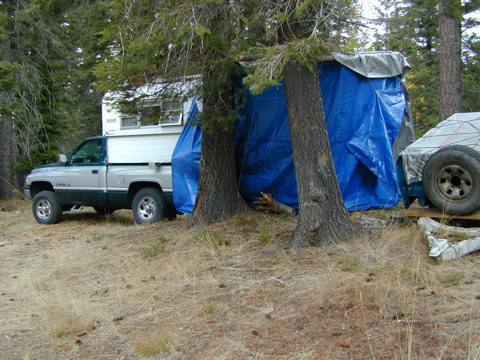
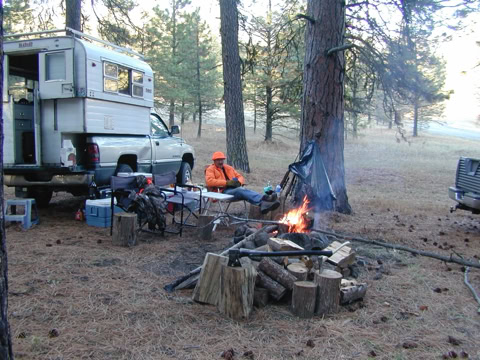
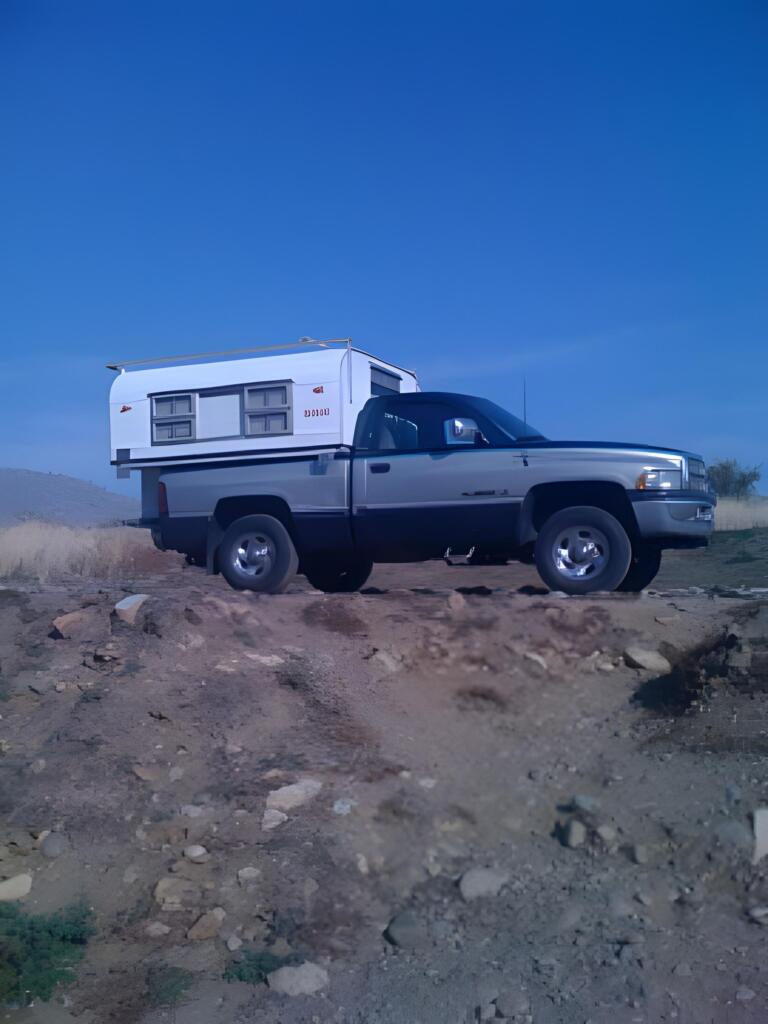
Mounted first on a half-ton Dodge and later on a three-quarter-ton, it followed him through years of fishing the Columbia, elk hunting trips beginning in 2007, and long stretches of dry camping. Over time, Mike rebuilt the hydraulic lift system, rewired what he could without pulling paneling, and sealed every exposed wood surface to cut down the musty smell that comes with age.
One of his favorite modifications was lining the sidewalls of what he calls the “bathtub”—the lower, fixed portion of the camper—with green indoor-outdoor carpet. In older Alaskans, that lower section can feel cold and a little hollow. Wrapping it in carpet quieted the space, added warmth, and made the camper feel more settled. It also looked better, which didn’t hurt.
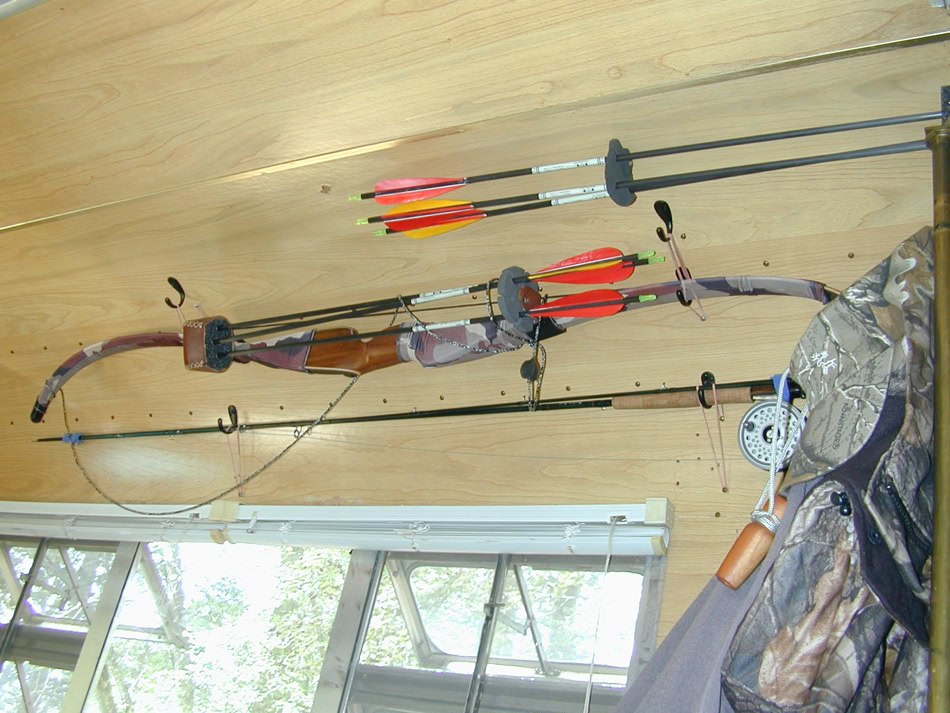
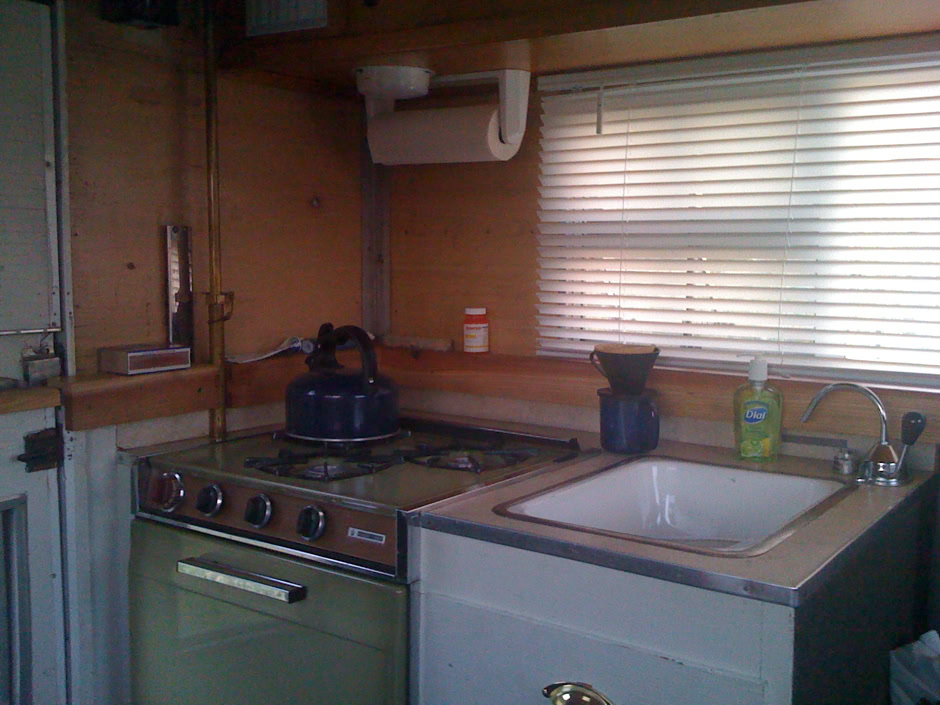
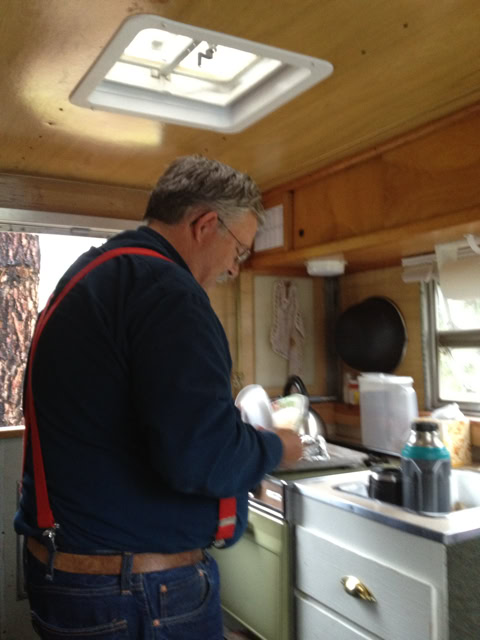
From there, the changes stayed practical. Hooks went up for his bow and fishing rods so gear had a place instead of migrating around the camper. He built a custom table that fit the space properly. Later, he tracked down a wrecked Alaskan, pulled a stove-oven combo from it, modified the cabinetry, added a new sink, and finished the countertop with Formica. The sink drained straight down through the truck to the ground—gray water only, no tanks, no extra systems to manage. It worked because it stayed simple.
None of it was about upgrades for their own sake. It was about removing friction and keeping the camper useful for how Mike actually lived out of it.

Alaskan #4: Looking for the last one
At 84, Mike is clear about what he wants next. He isn’t chasing a dream build or starting from scratch. He’s looking for another used Alaskan—this time a cab-over—that fits the way he still lives.
His wish list is short and practical. A diesel heater comes first. Tying into the truck’s fuel supply makes sense when you camp cold and don’t want to deal with propane. A cassette toilet matters more now than it did decades ago. Solar is expected. And air conditioning is non-negotiable—a lesson learned early on during summers spent fishing around Lake Mead, and later reinforced by eastern Washington heat.
Beyond that, he isn’t interested in excess. He already knows what he’ll change once he finds the right one, and what he won’t bother touching. After a lifetime of moving between campers, seasons, and styles of travel, Mike trusts his experience to sort the rest out.
Still moving
Mike doesn’t frame life in terms of slowing down. He thinks in terms of staying useful. Having something that needs attention, something that needs testing, and something that pulls him into the next season. He’s still fishing. Still building and refining lures at Orion Tackle. Still planning trips and tinkering with ideas that aren’t finished yet. The specifics have changed over the years, but the pattern hasn’t. Stay curious. Stay involved. Keep giving yourself reasons to go.
Don’t wait. Don’t save the good parts for later. Don’t let the old man in.
For Mike, an Alaskan fits squarely into the rule he’s lived by for decades: buy your toys before you retire. Not as a reward, not as a someday plan, but as something that gives you a reason to keep fixing, planning, and going while the window is still open.
Thanks again for taking the time to share your story, Mike.
If you’re an Alaskan owner with miles behind you and plans still ahead, we’d love to hear from you. Alaskan Life is built around real people using these campers the way they were meant to be used—on long roads, short trips, and everything in between. If you’ve got a story, a rig that’s seen some things, or a trip that stuck with you, email [email protected] and let’s talk.