Columbus and Chris spent a year rebuilding a vintage Alaskan for CRAZY DOG, their five-ton Army truck. His submarine expertise and her design skills guided the work, but their two dogs helped decide how it all fit.
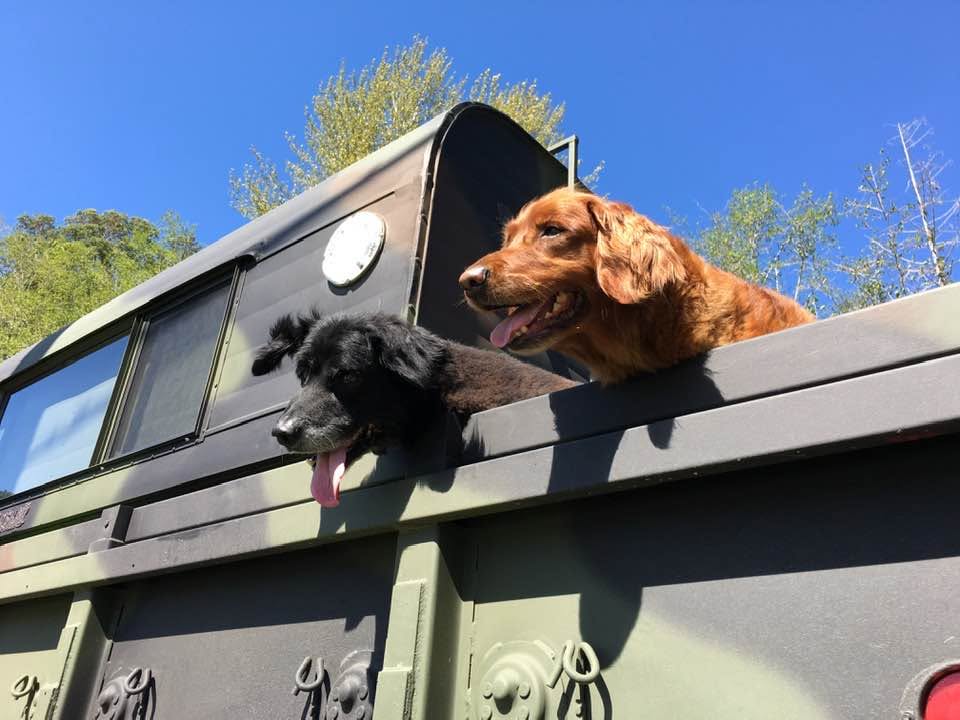
Columbus Partin spent nearly eight years trying to get his Army truck into the local newspaper. More than nine feet tall on six enormous tires, it was hard to miss, yet parade photographers seemed to notice every vehicle but his. When it finally made the paper, he recalls, the photograph featured their golden retriever hanging out the window.
All that truck, and the dog got the picture.
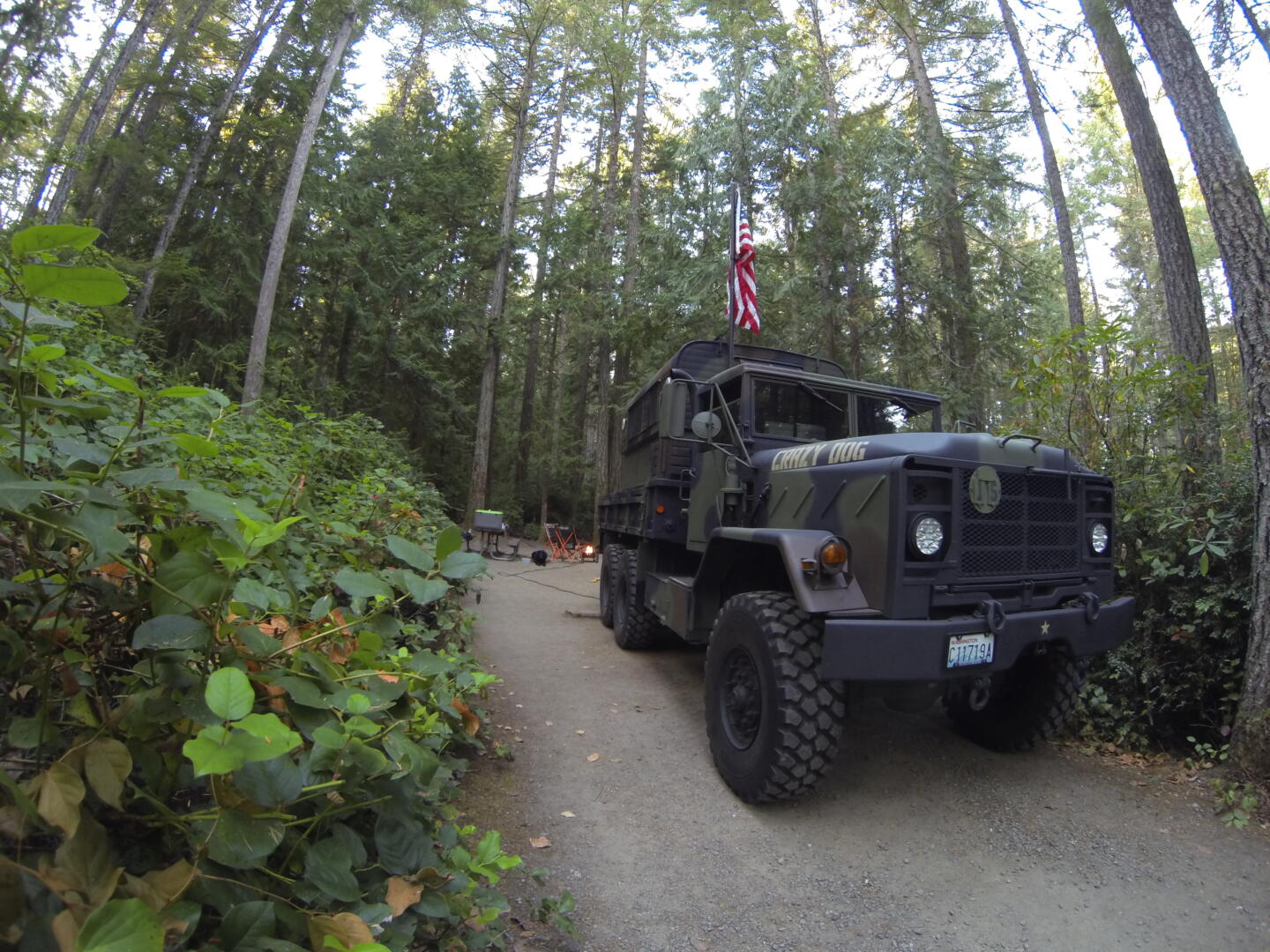
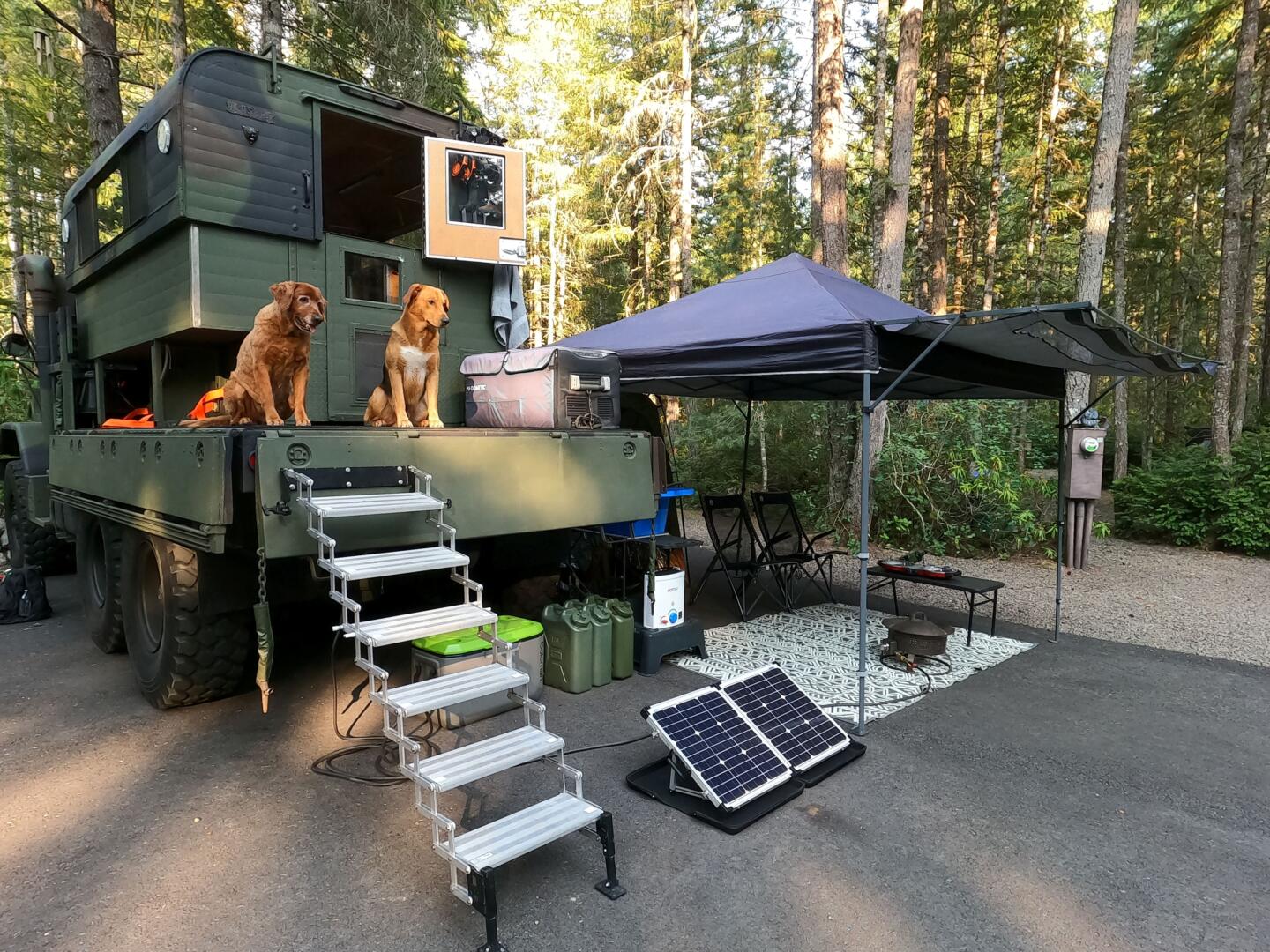
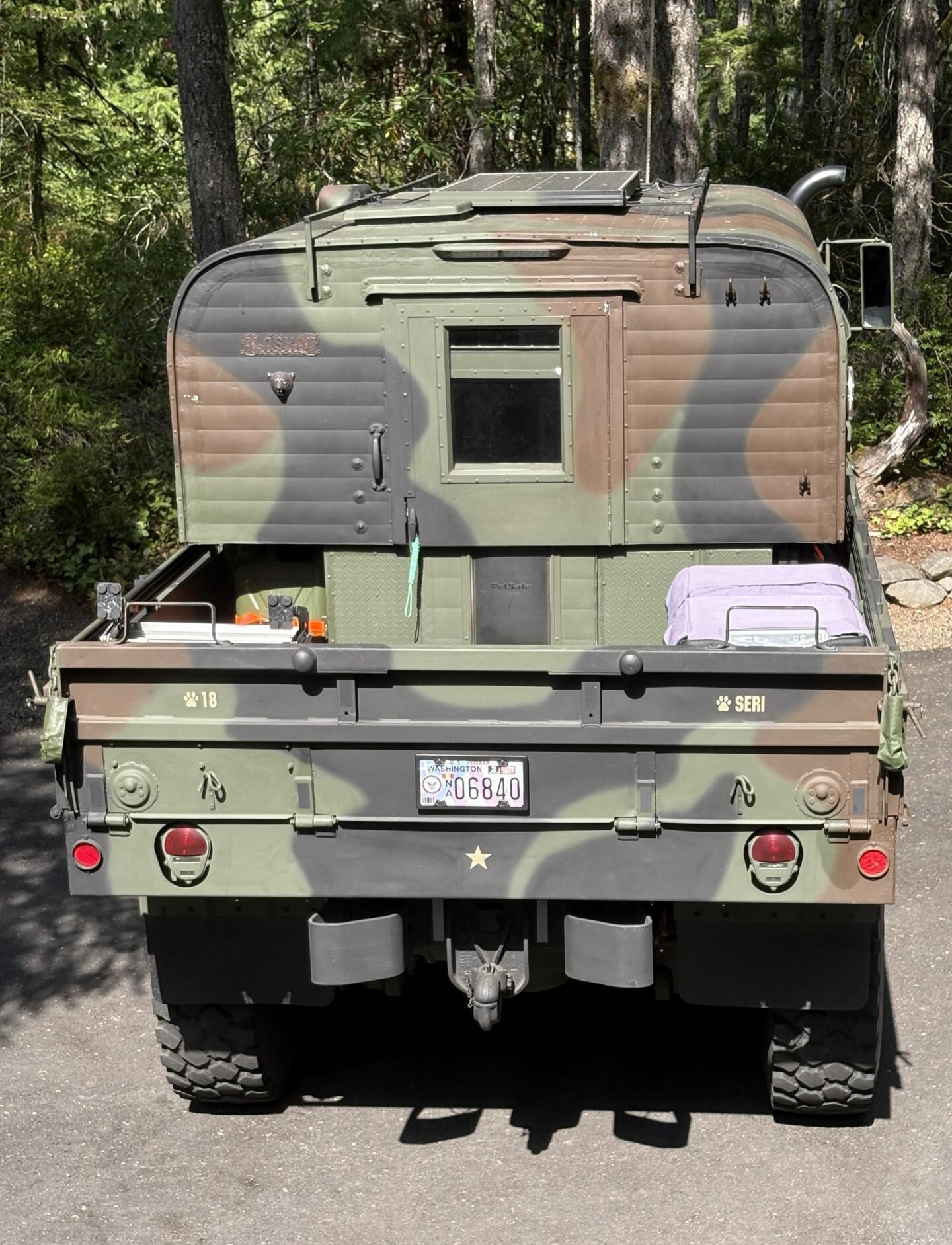
Today, visitors often follow CRAZY DOG and its four-legged passengers right to their campsite, where tours begin before Columbus and his wife, Chris, have finished setting up. With its roof lowered to cab height and camouflage continuing from truck to camper, the Alaskan looks like original Army equipment. The floor plan, however, owes more to two dogs than to any military spec.
Our custom design was built around us and two dogs and everything else fell into place around this mindset,
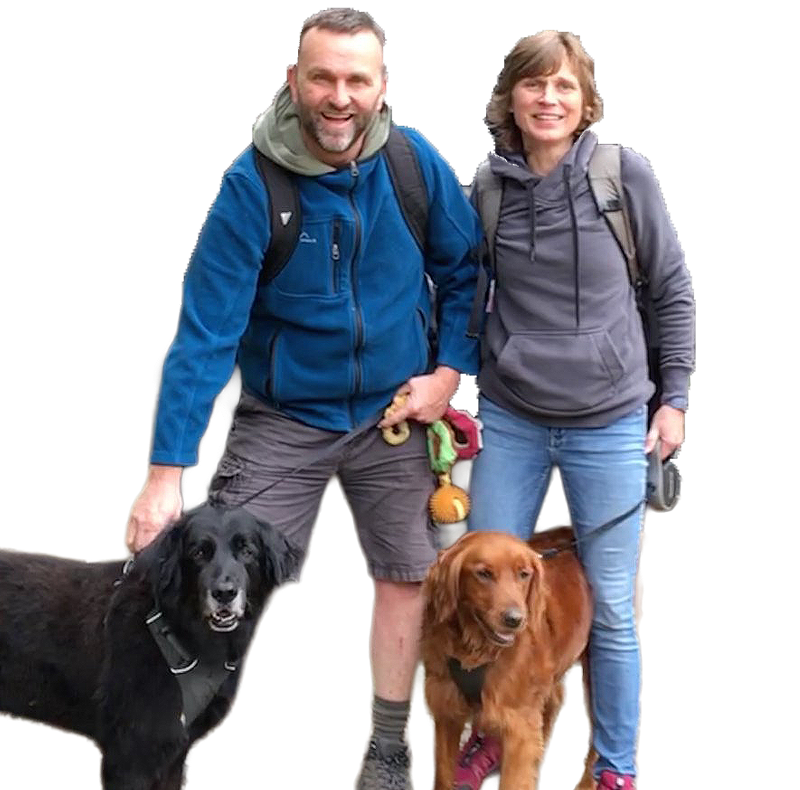
Meet Columbus & Chis
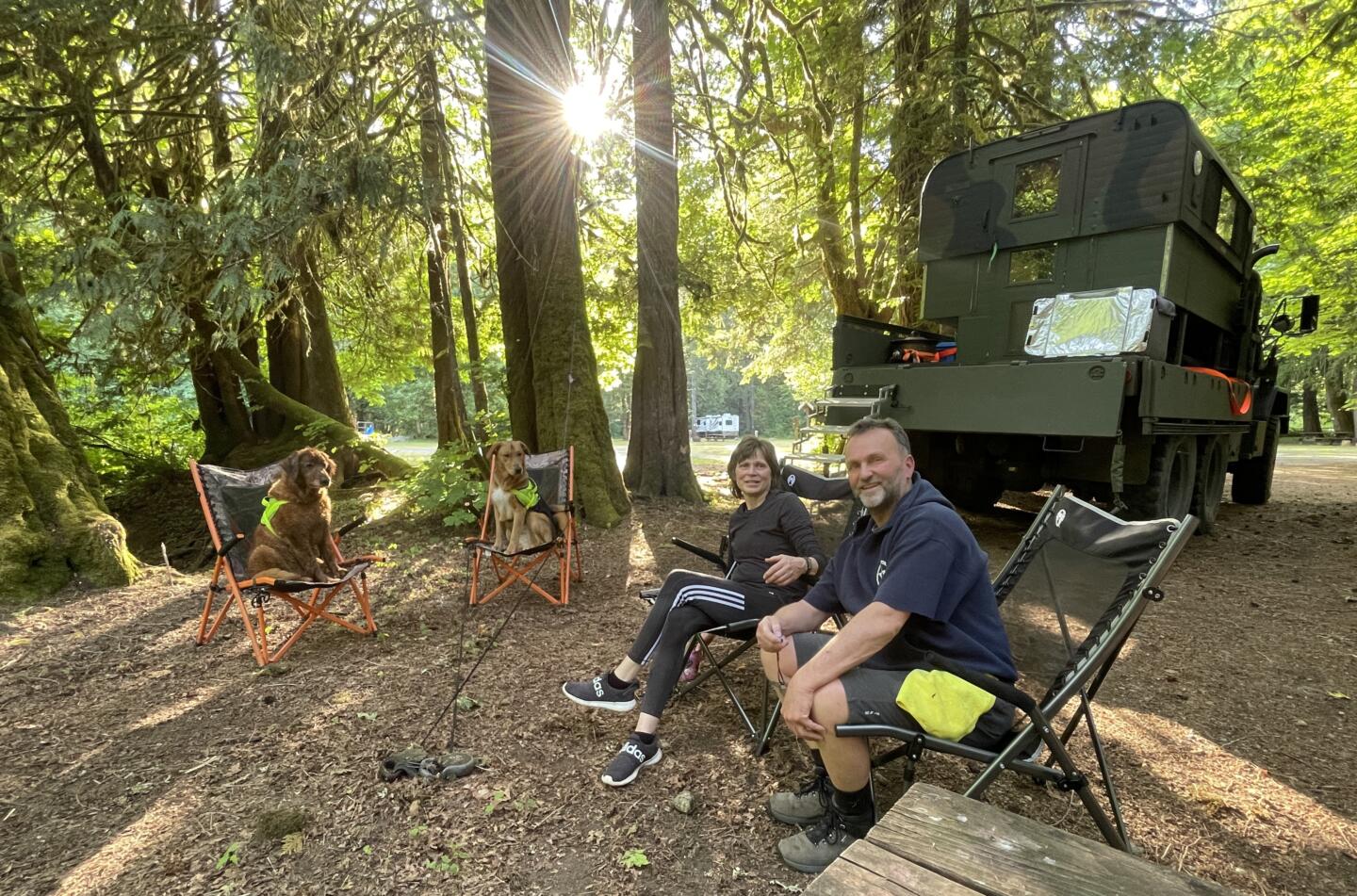
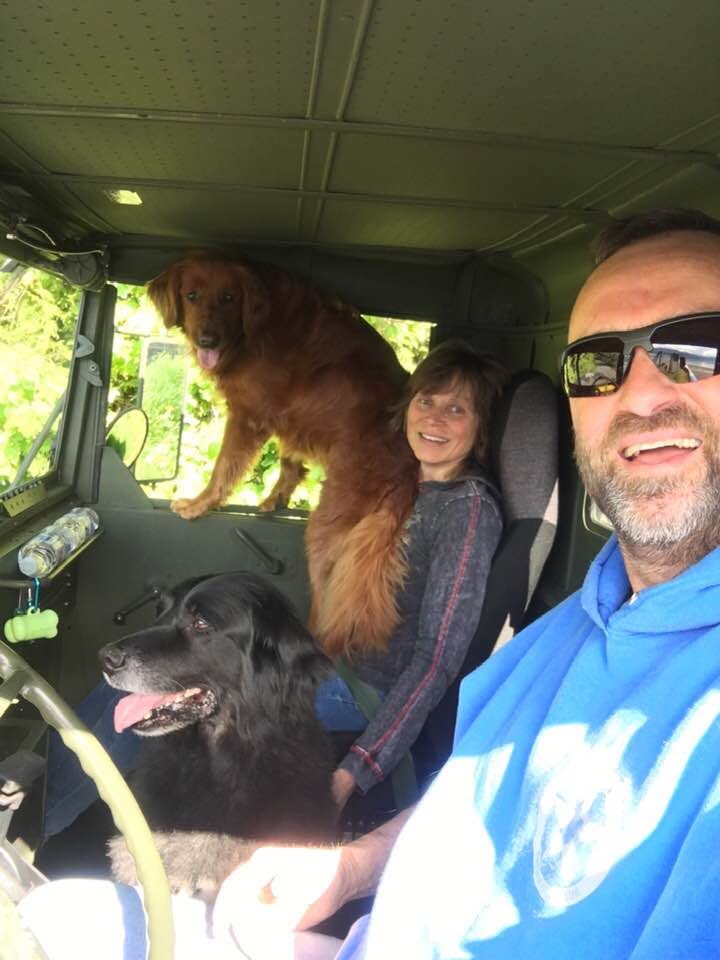
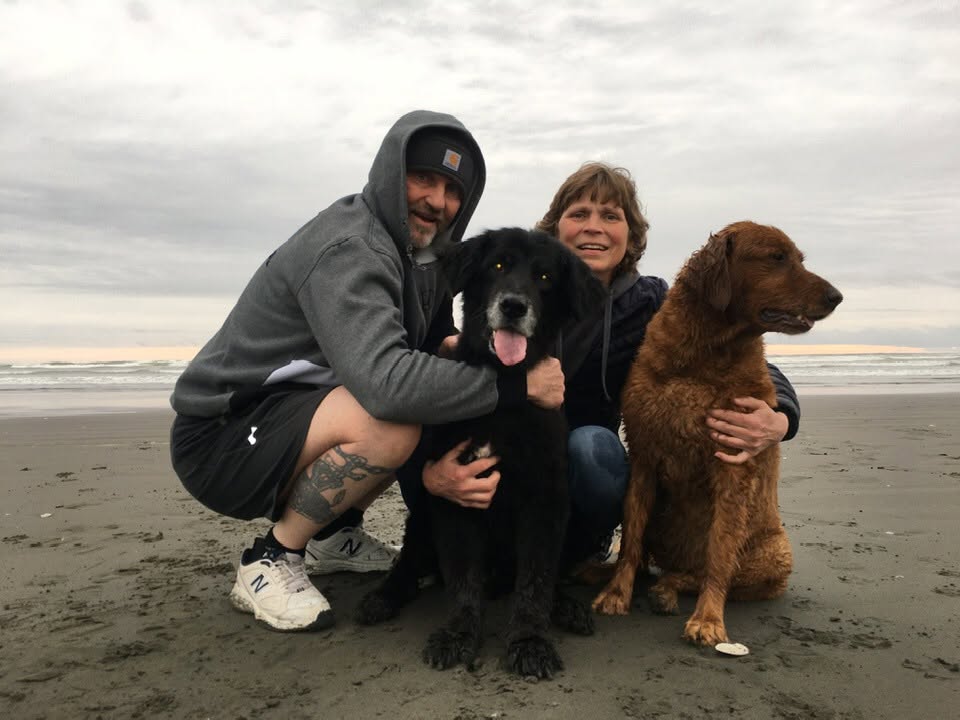
Columbus and Chris live in western Washington. A retired Navy submariner, Columbus spent his career working on submarines, including repairs at Puget Sound Naval Shipyard and even helping build one. With Chris sitting beside him, he explains that retirement leaves more time for CRAZY DOG. “She requires a lot of attention,” he says, then laughs. “Not her, the truck.”
Chris handles the paint and graphics, and Columbus is quick to credit her work. Her graphic design background shows in the camouflage that flows from truck to camper, while their shared handiwork continues inside with aluminum cabinets they made themselves.
They favor long camping weekends around Washington, though some trips are just for the dogs. Columbus loads them into CRAZY DOG and heads to McDonald’s for cheeseburgers, taking a five-ton Army truck to pick up lunch.
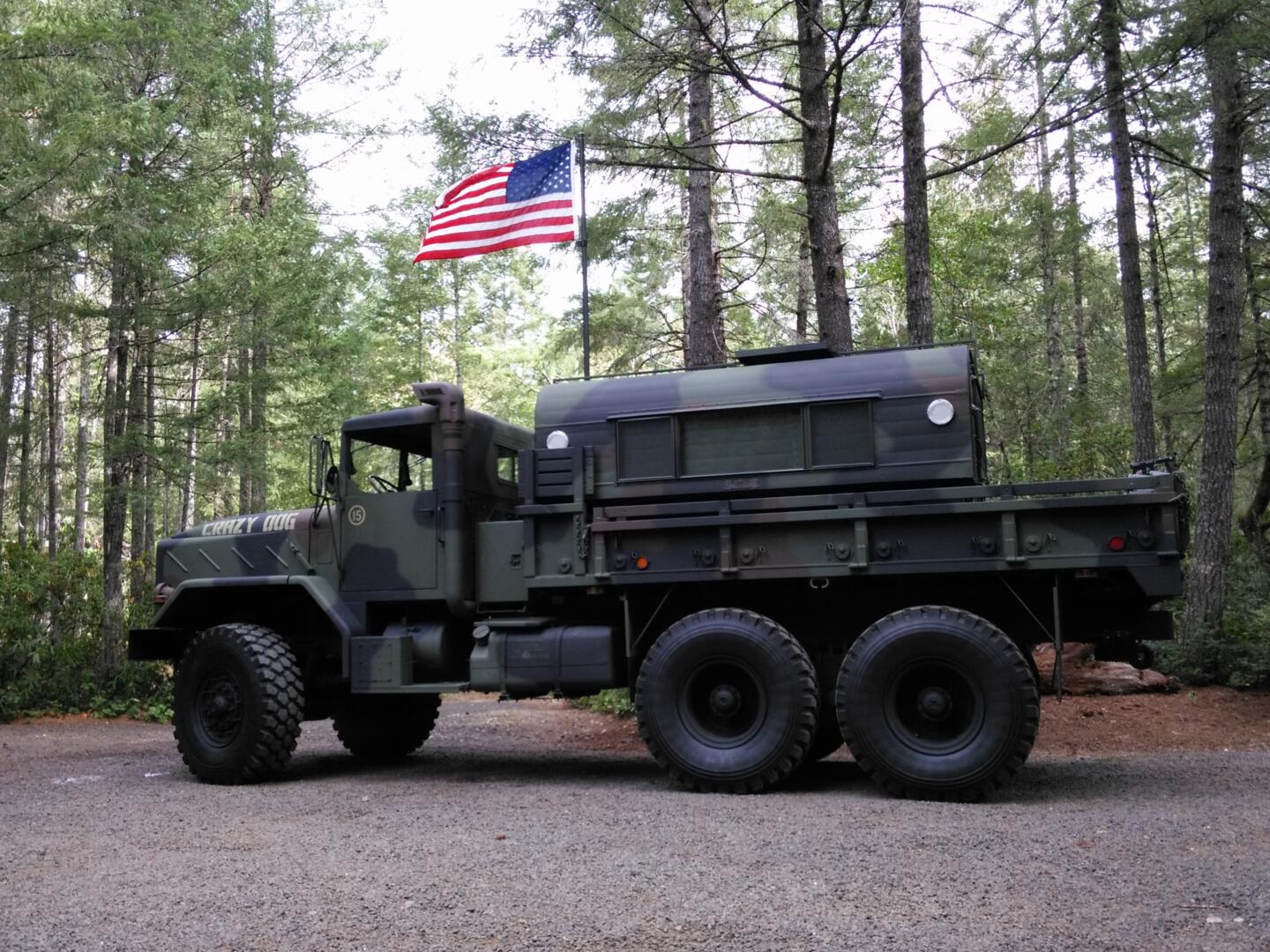
DCIM100GOPRO
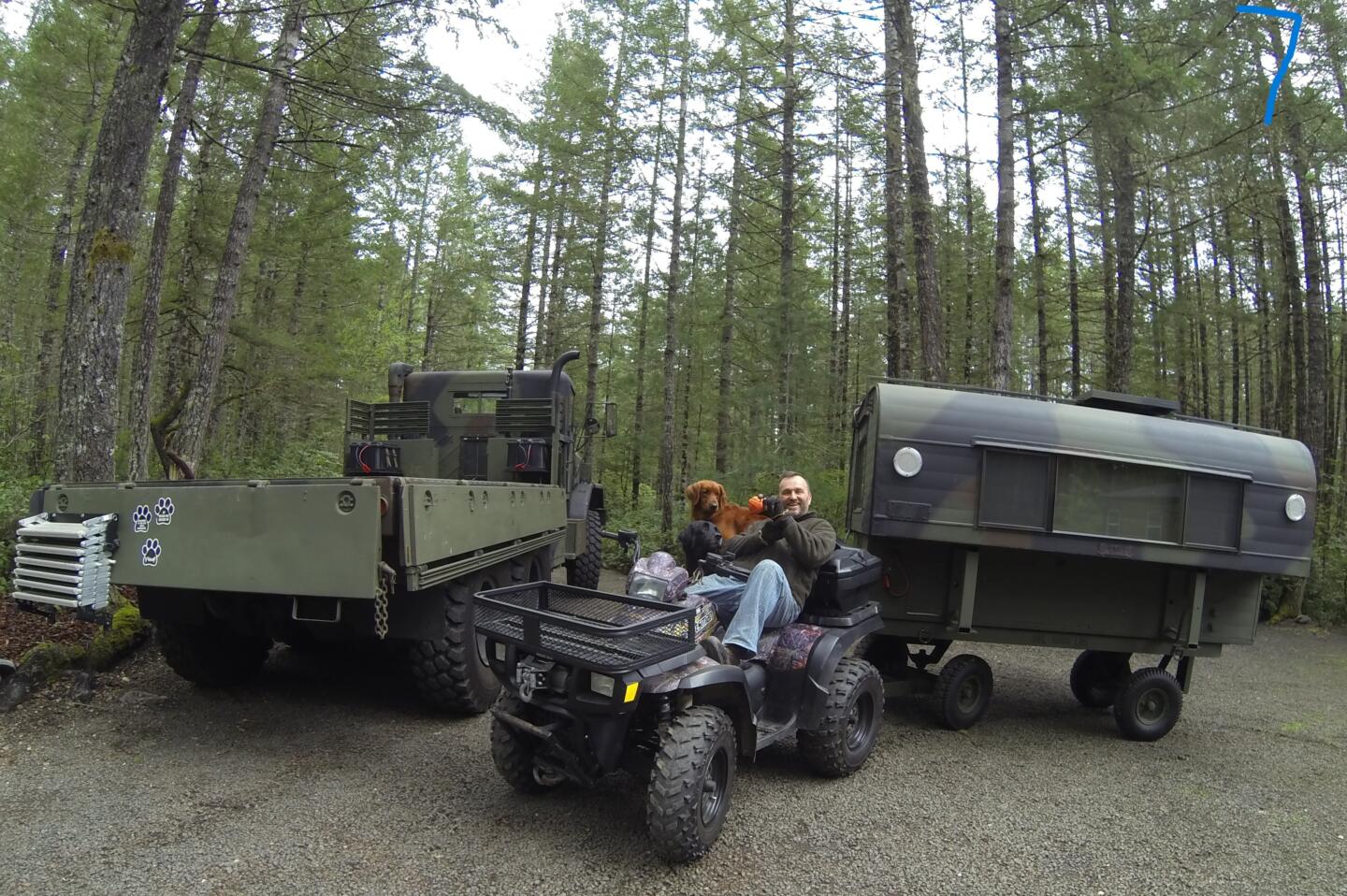
DCIM100GOPRO
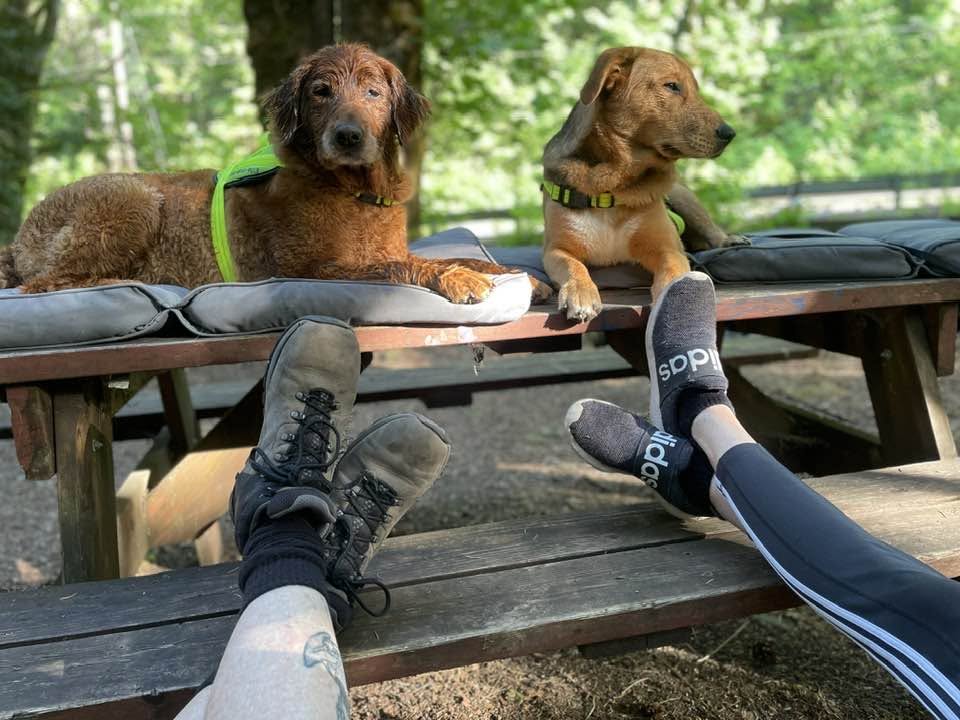
A Bigger Way to Camp
Before CRAZY DOG, Columbus and Chris camped in a tent. They wanted a camper and started with tow-behind pop-ups, but nothing felt right.
Around 2010, Columbus encountered two Vietnam veterans driving a “deuce-and-a-half” on the submarine base where he worked. That’s a 2½-ton military cargo truck, for anyone else whose military vocabulary stopped at “Army truck.” He asked about it, and they encouraged him to consider buying one.
The idea took him to a local military base to inspect surplus trucks available through auction. He went a size larger, choosing a five-ton 1991 M923A2 with an automatic transmission and power steering. When we asked what drew them to the Army truck, Columbus’s answer was simple:
It just fit us,
He bought it for $4,100. Making it comfortable took more work.
Early drives left their ears ringing after about an hour. Columbus turned to his submarine-work contacts and tracked down a supplier of hull insulation. He treated the cab and doors with sound-deadening material and one-inch submarine insulation, adding rubber horse-stall mats over treated floor areas. Wind noise remained, but a drive into the mountains could now include a conversation.
They camped beneath the truck’s existing canopy until a trip into the mountains exposed a problem: it stood about 18 inches above the cab, high enough for trees to catch and destroy its back end.
The replacement needed a lower profile. An Alaskan could drop to cab height for the drive, then rise to give them standing room in camp.
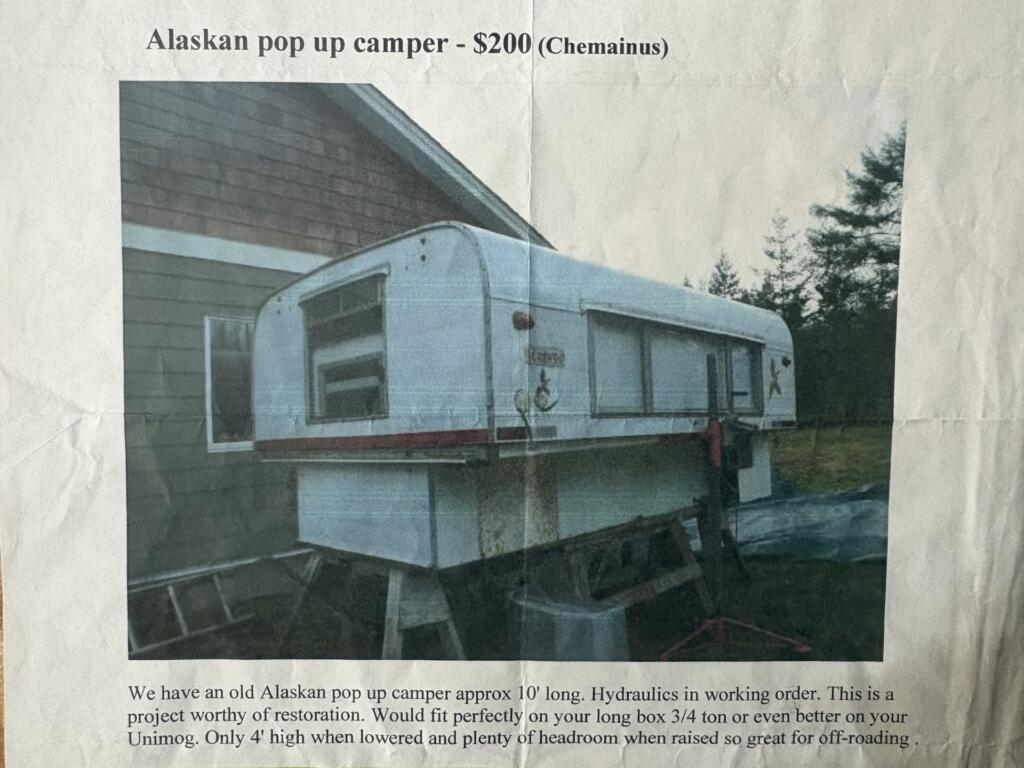
They found a 10-foot 1965 Alaskan for sale in Canada. The seller and his family welcomed them, and the discovery that their visitors were Americans brought some good-natured laughter. Columbus and Chris paid $200 Canadian and brought the camper home in a rented U-Haul.
It was rough, but they had their Alaskan. Once they began pulling it apart, the front bulkhead revealed just how much rebuilding lay ahead.
A Year in the Shop
The front bulkhead was so rotten that Columbus removed the decayed material with a wet/dry vacuum. That discovery settled how far they would take the project: they would gut the camper and rebuild.
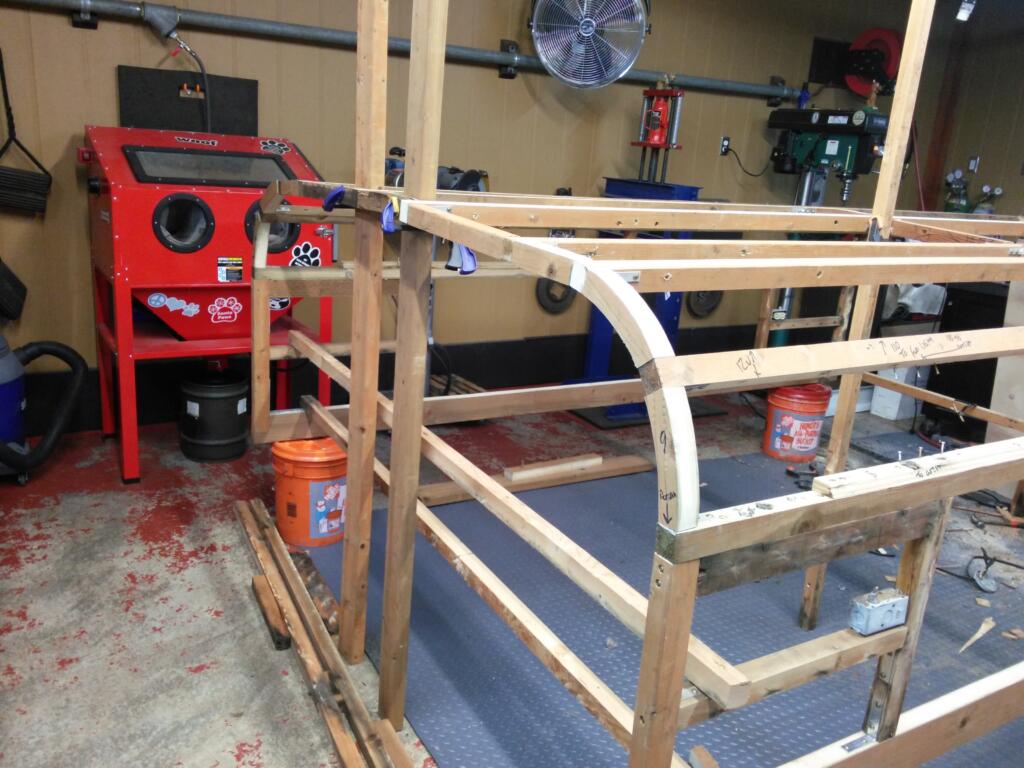
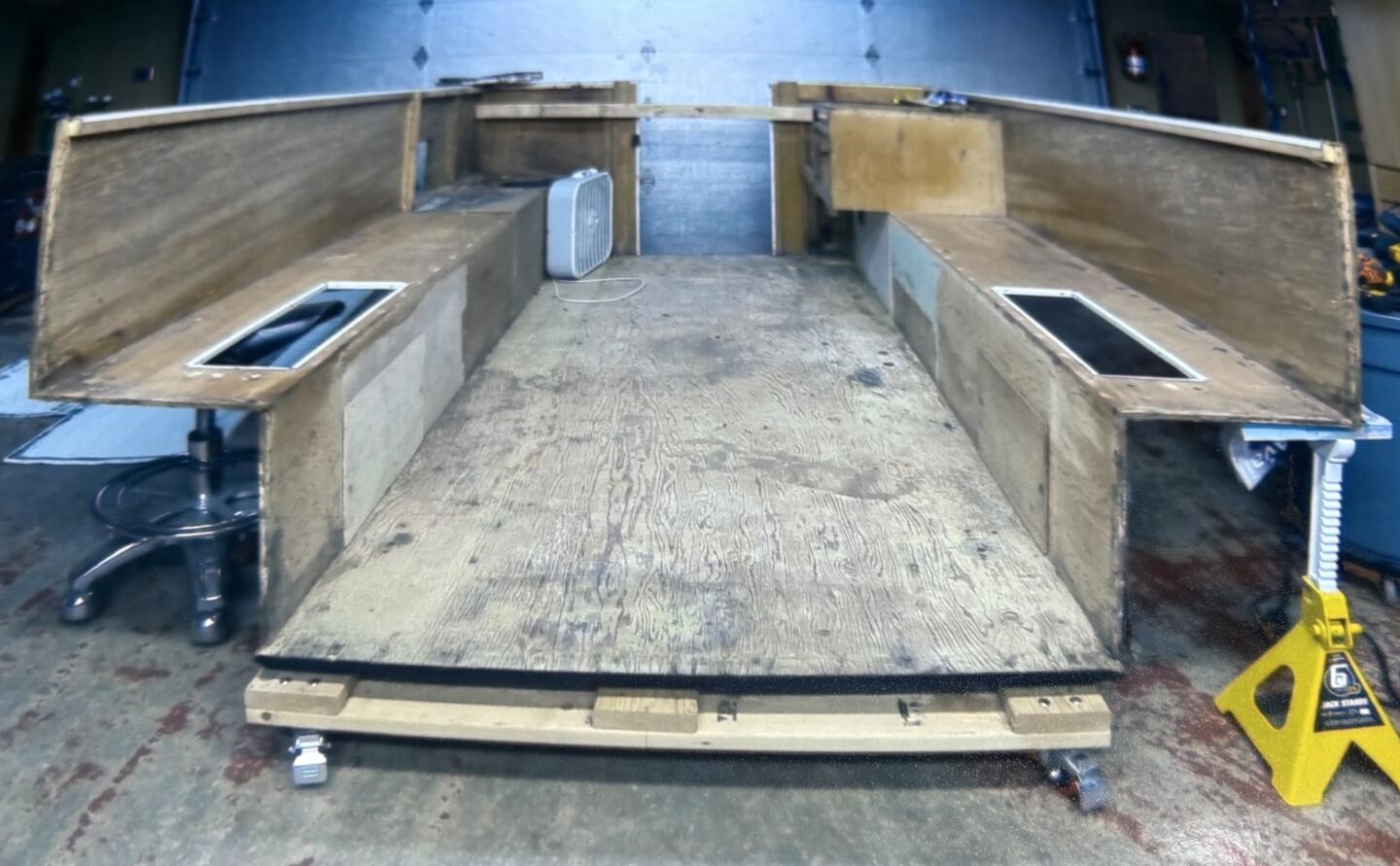
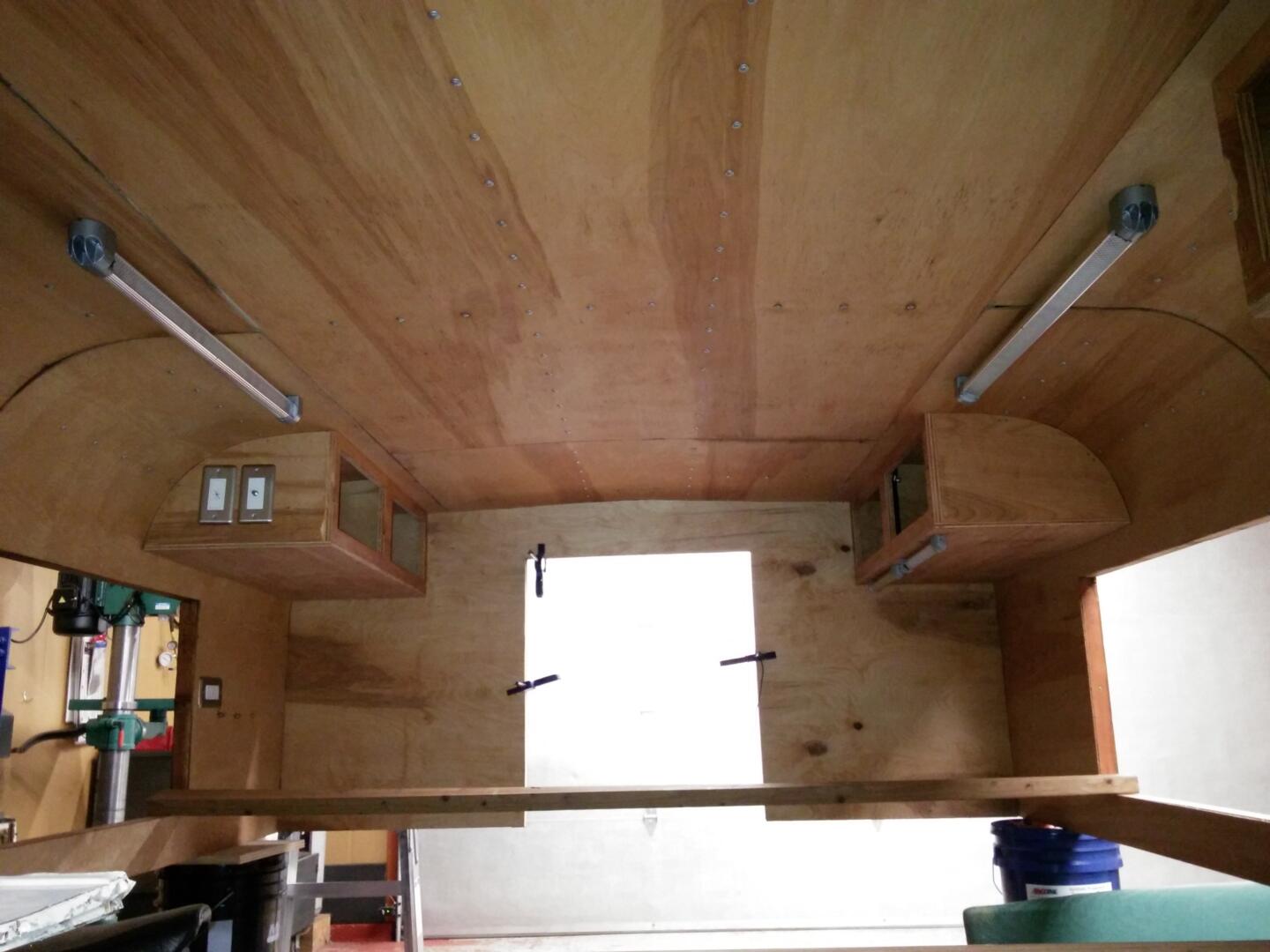
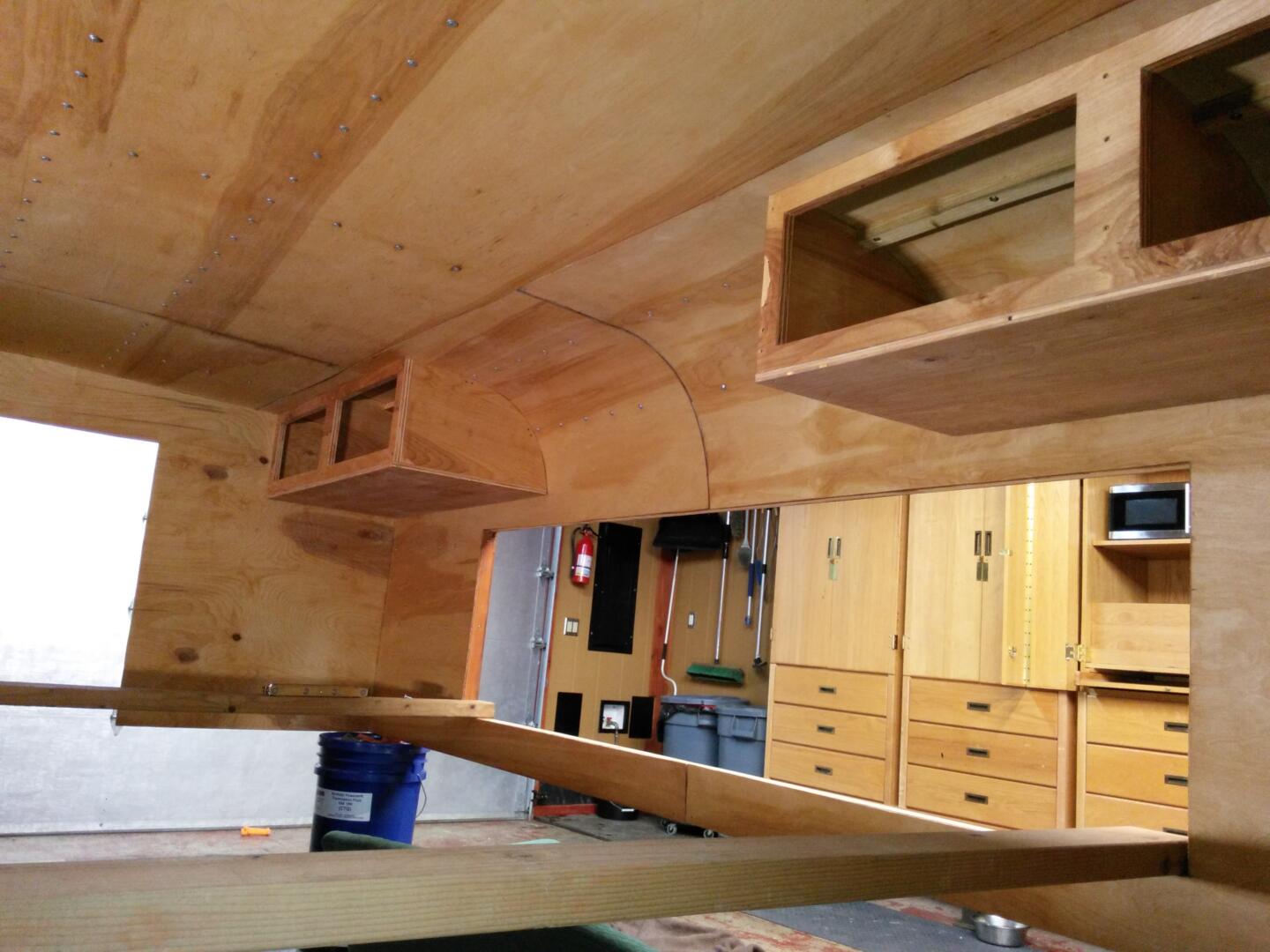
They separated the Alaskan’s upper and lower halves and stripped the interior. The roof needed major wood and insulation replacement, too.
For guidance and parts, they visited the Alaskan factory and toured the shop with Bryan Wheat, the company’s president at the time. Columbus credits that advice with helping them tackle the overhaul themselves.
Stripped to Start Fresh
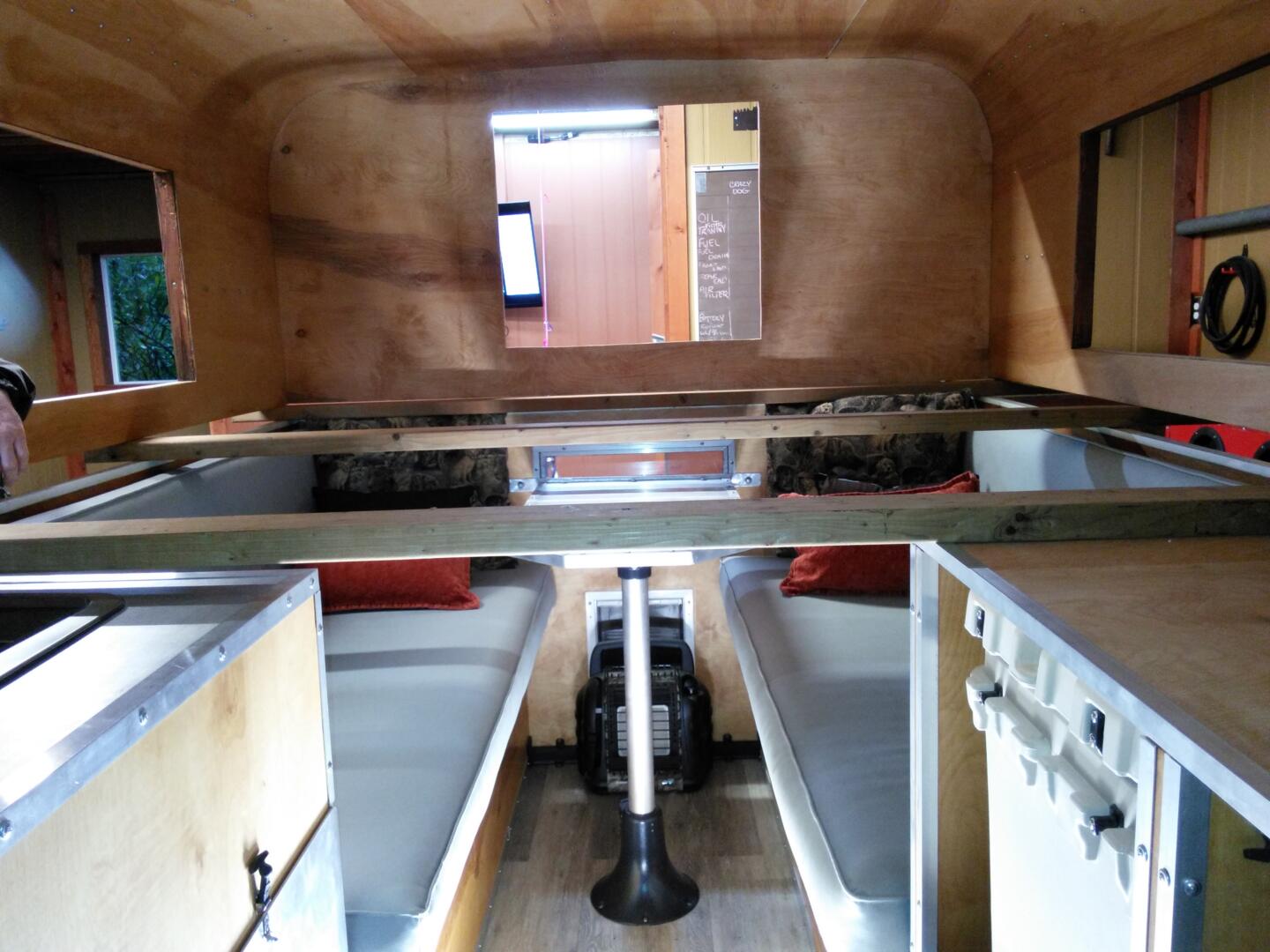
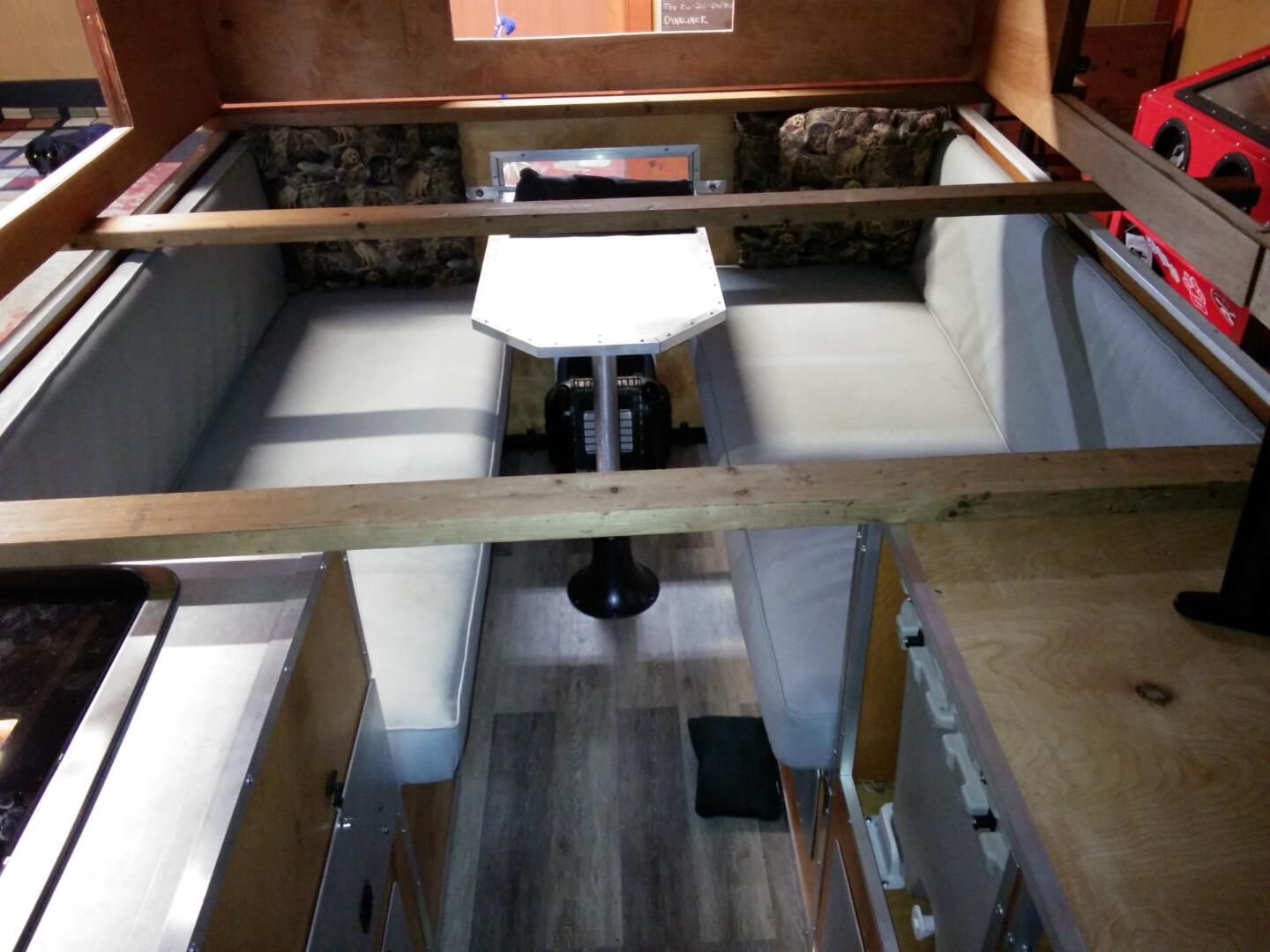
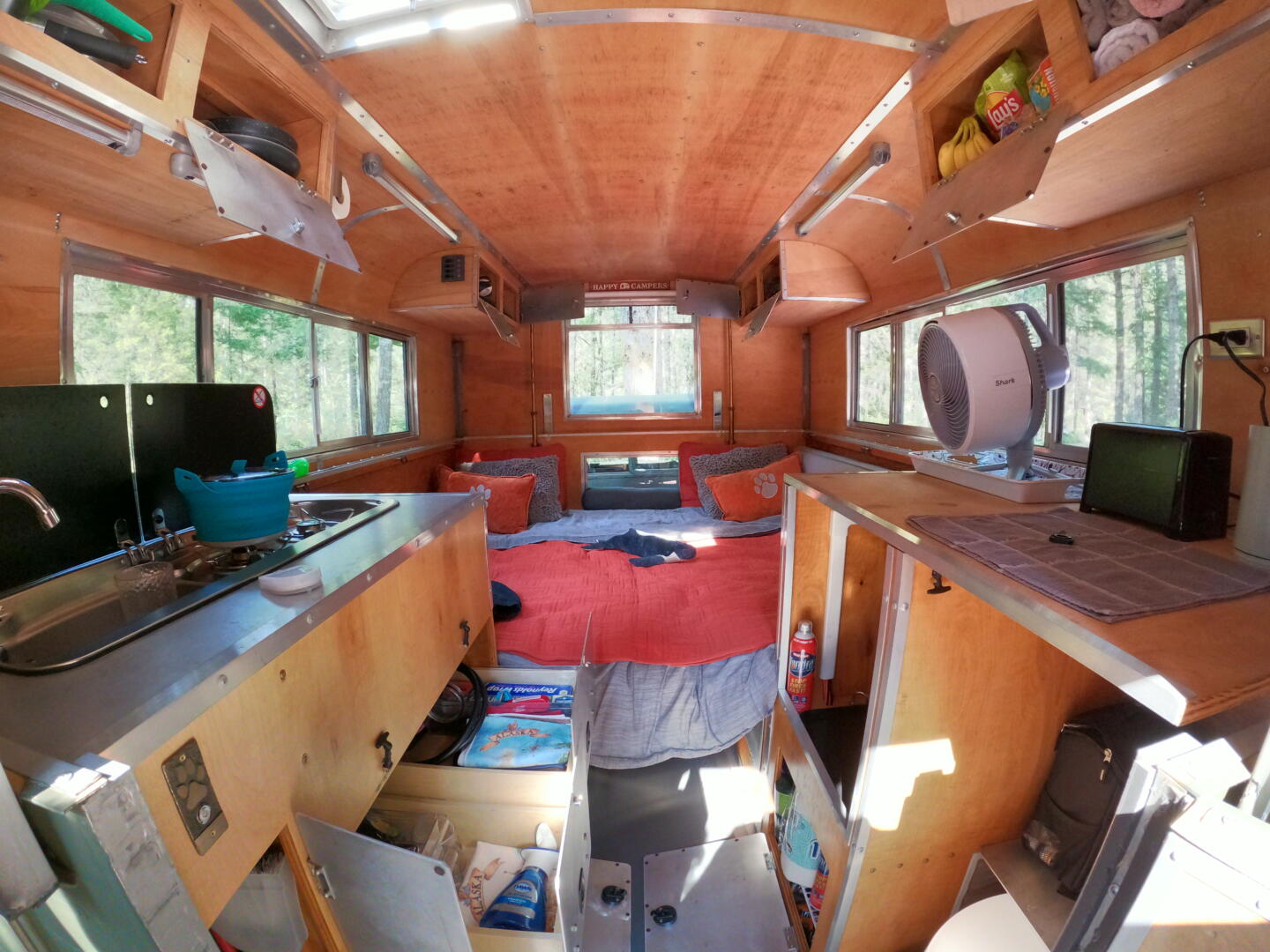
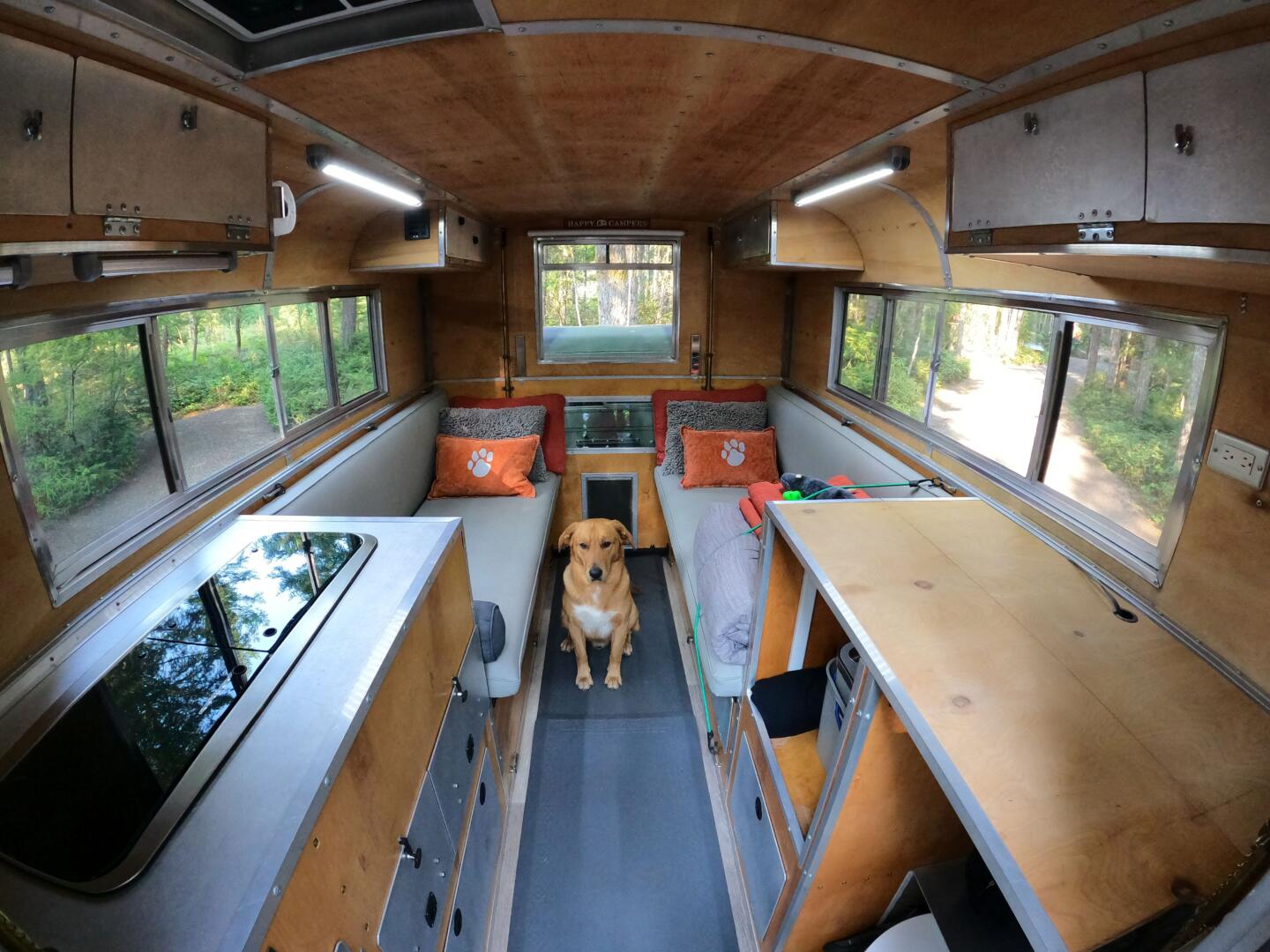
Columbus and Chris replaced the damaged wood and added spray foam and foam-core insulation to the upper section. They made the aluminum cabinets and locker doors by hand, including new upper lockers for more storage. They also installed LED lighting and rewired the camper for the equipment they wanted to use.
The work kept the Alaskan in the shop for a year, but they still went camping with a tent in the truck bed.
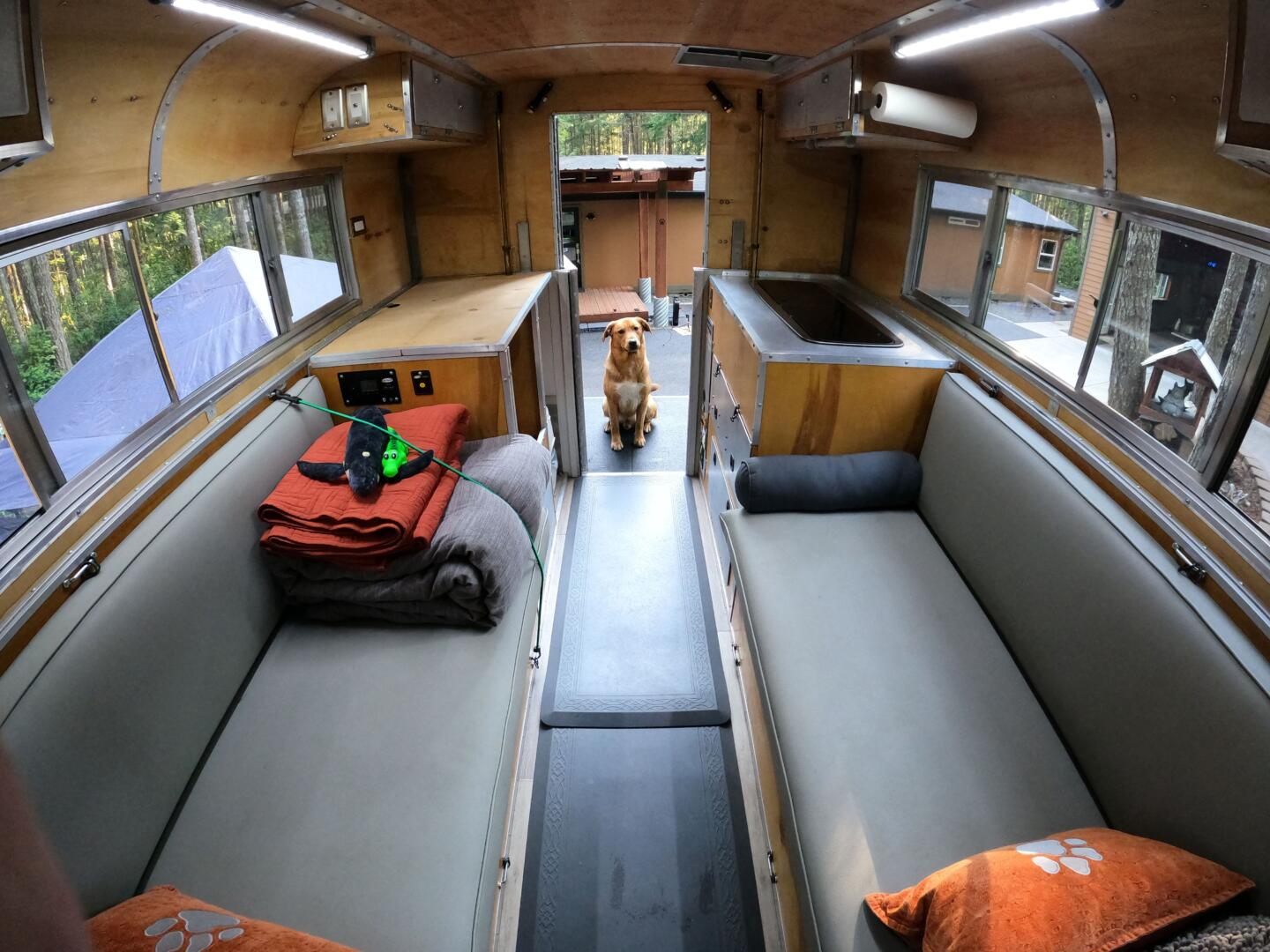
With the camper stripped, they could arrange the interior to suit themselves and their two dogs. The first decisions were about how the dogs would get around.
Creature Comforts, Custom Built
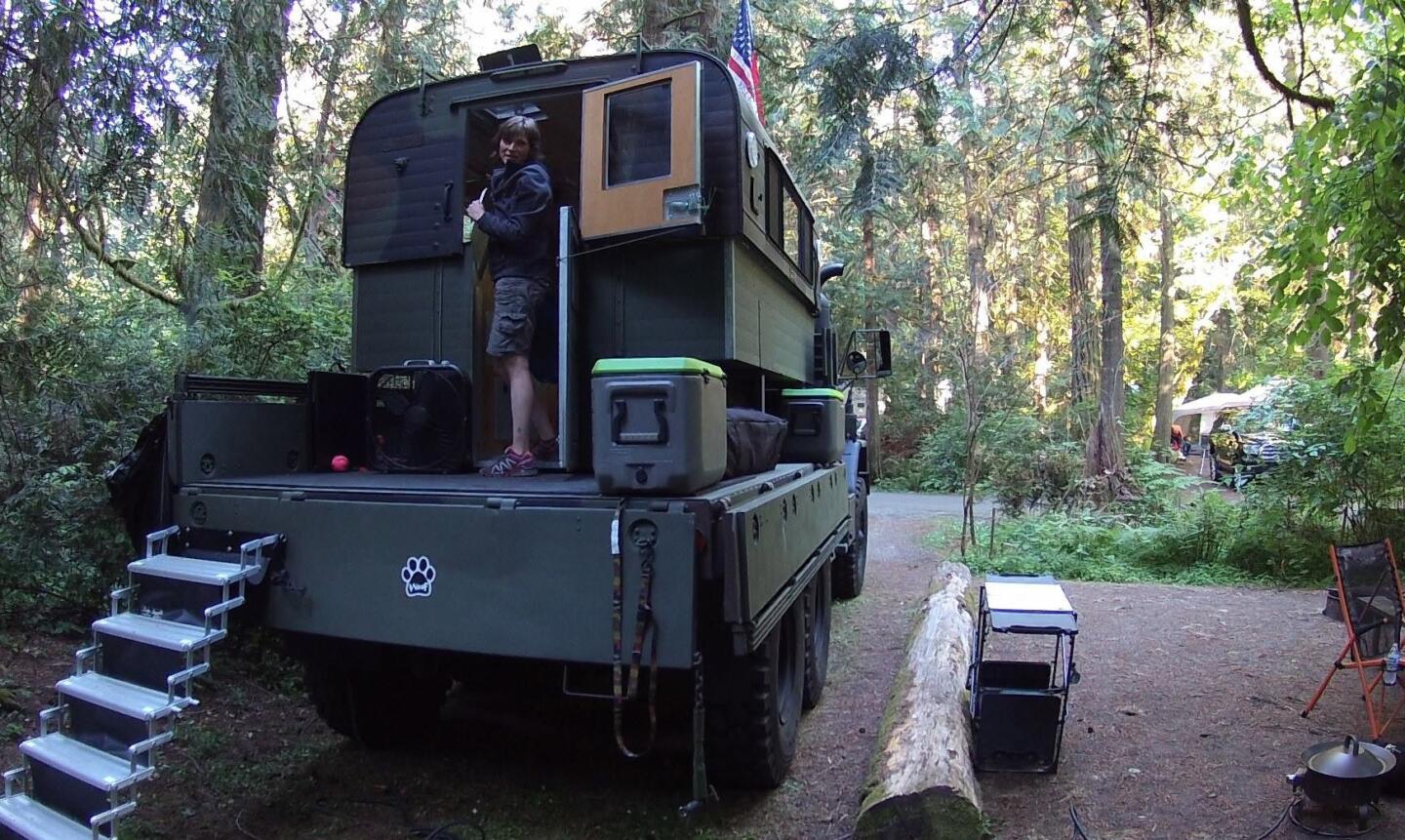
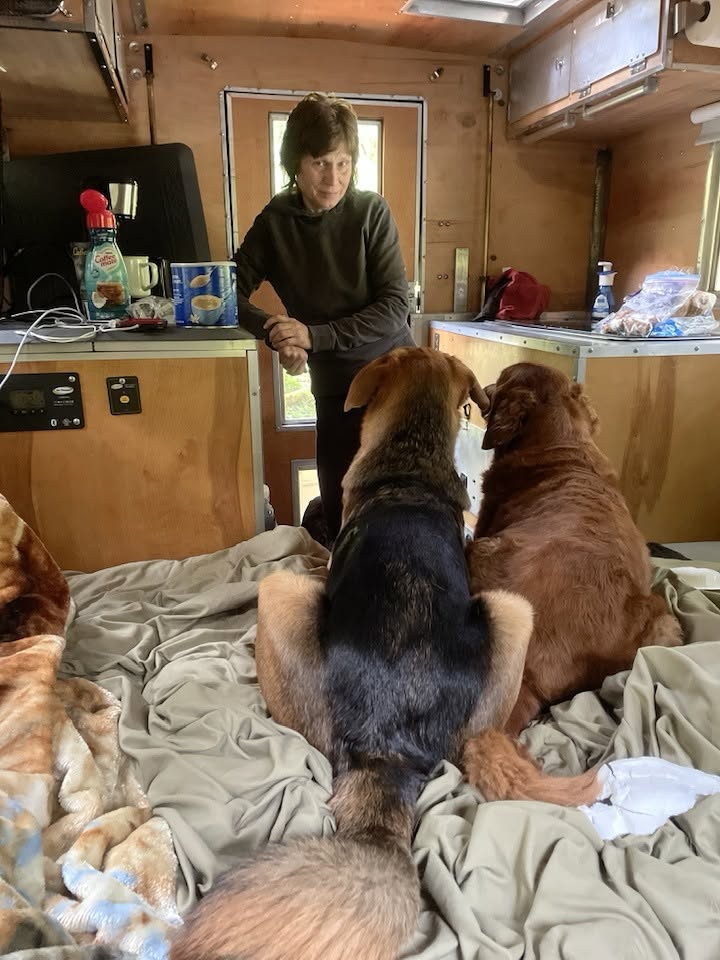
Three dog doors established a route through the rig: one in the truck cab, one at the front of the camper, and one at the rear, opening onto the truck bed.
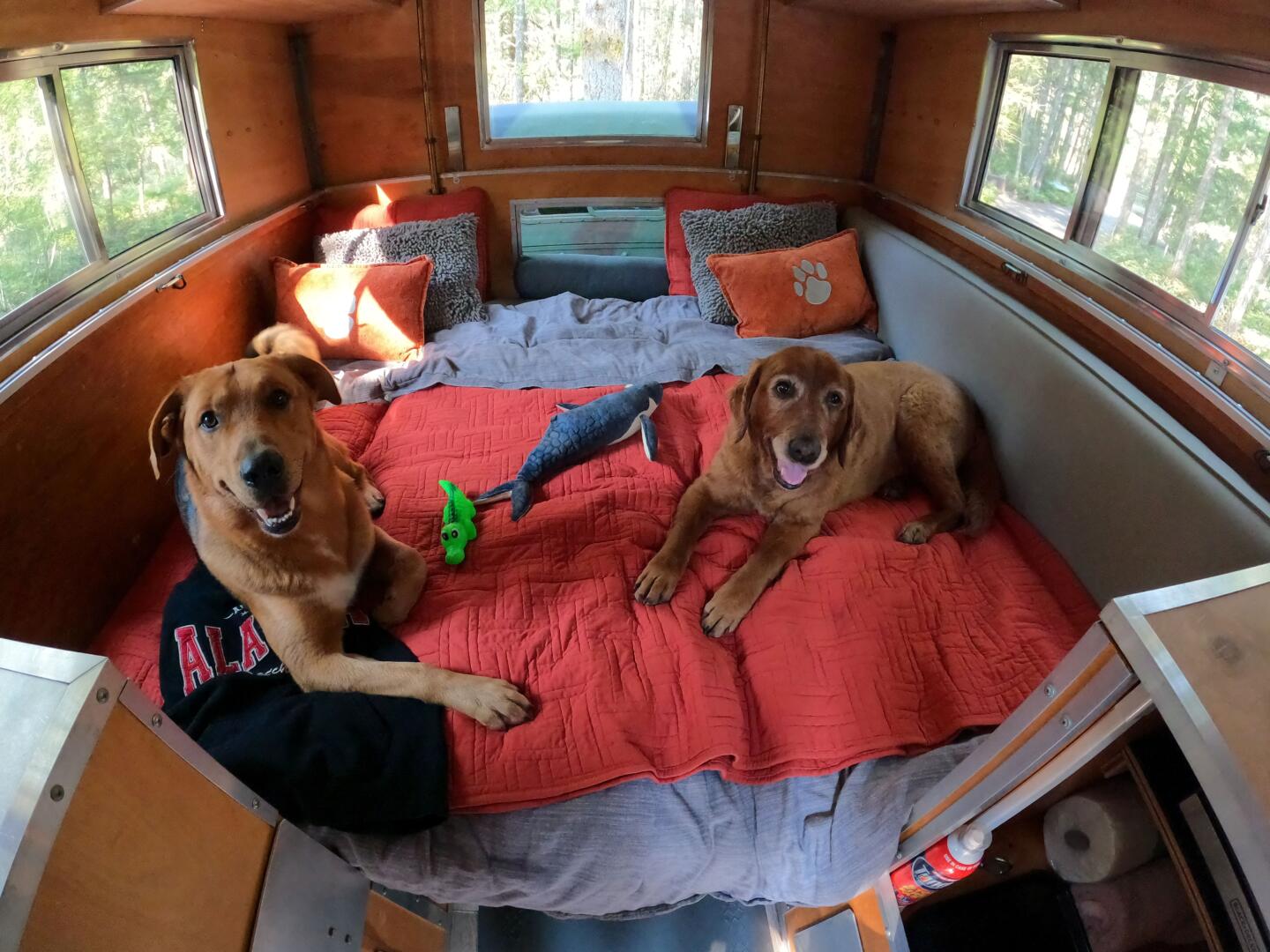
Those openings became fixed points in the layout. The original water tank occupied the space needed for the camper’s front dog door, so they removed it. Cabinets and furniture followed, with the bed designed to leave the dogs’ passage clear even when it was made up for the night.
Getting everyone aboard required another custom solution. The camper doorway stood about five feet above the ground. They worked with Torklift, another Washington-based company, on a set of stairs tall enough for the truck. Columbus says the company hadn’t built stairs for an Army truck before; they paid part of the cost and supplied feedback on how the stairs performed.
The steps serve curious visitors as well as the household, but their everyday value is getting the dogs comfortably in and out. Columbus calls them “probably the single most valuable component of the build.”
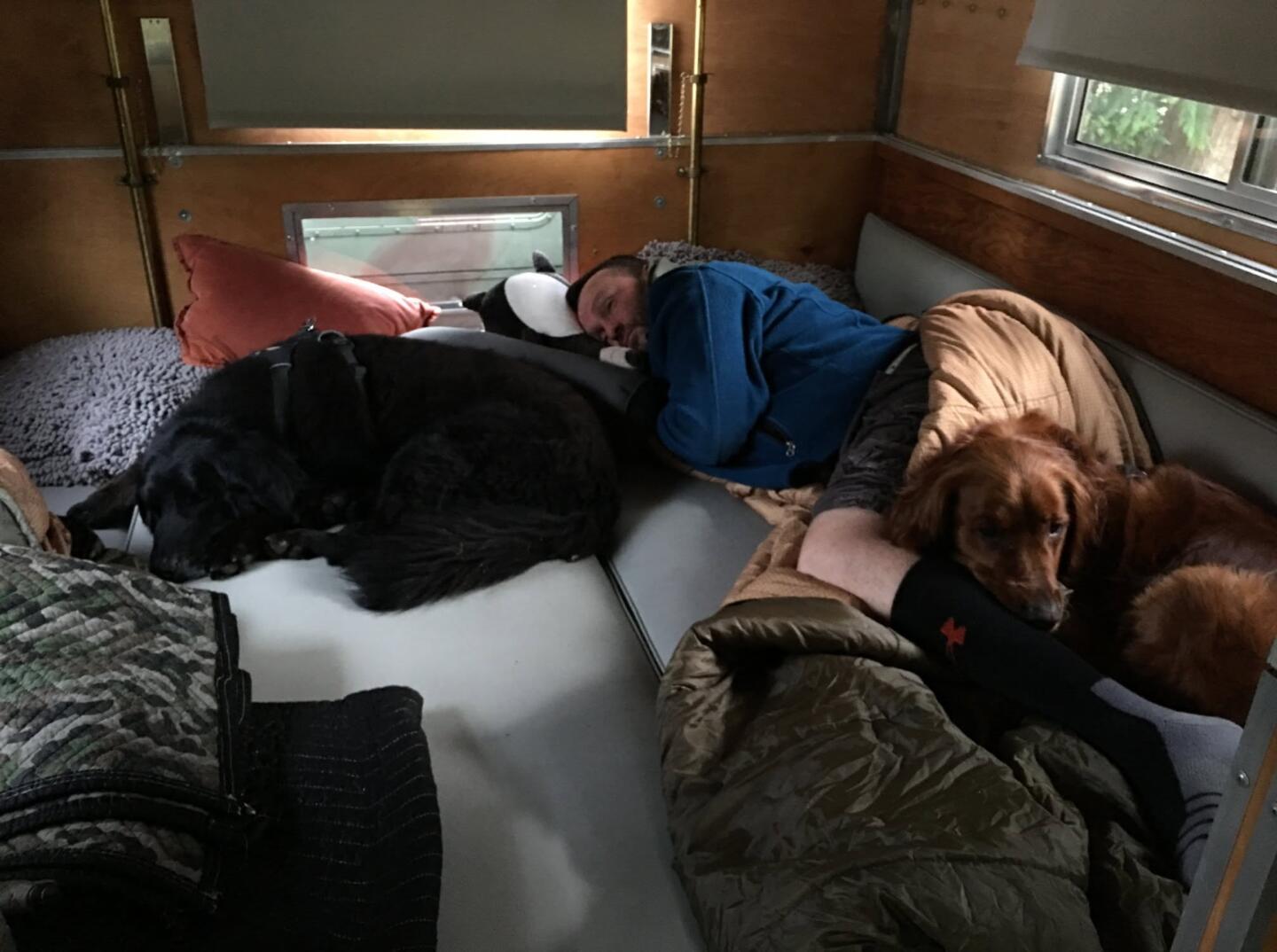
Inside, the new insulation has kept the camper comfortable enough that Columbus says they haven’t needed a heater during their Olympic Peninsula camping. The dogs help with the sleeping arrangements, too. As he puts it, they’re “cheating and using the dogs as a bed heater.”
DCIM100GOPROGOPR0483.JPG
Making the Pairing Work
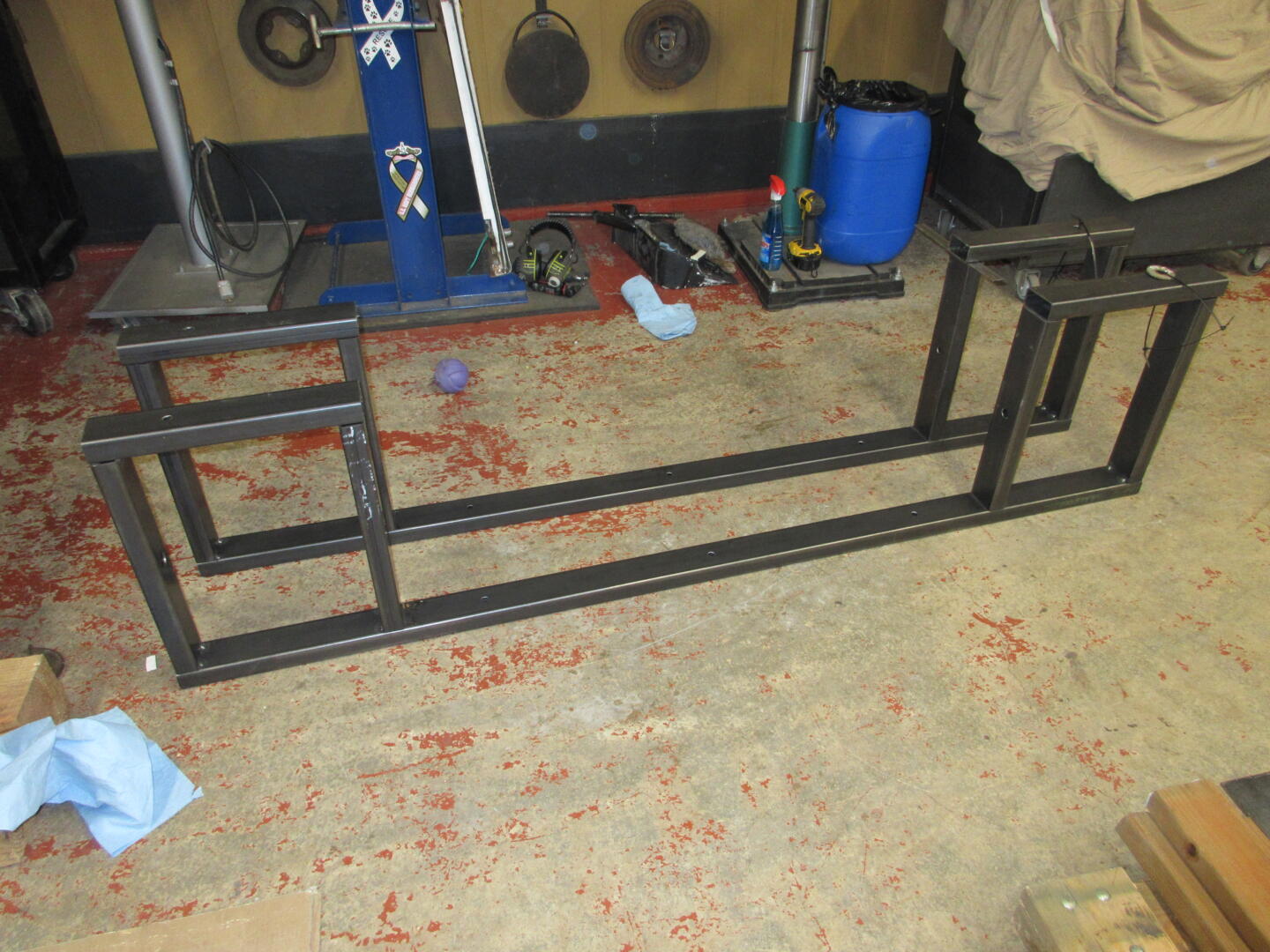
Columbus approached the mounting with habits from submarine work: consider what could fail, who it could hurt, and what it could damage. He built a support structure and custom braces for the modified loading jacks, bolted the camper to the bed, and tested the mounting off-road. Skids beneath the camper created space for water to drain and dry instead of remaining trapped against the flat steel bed.
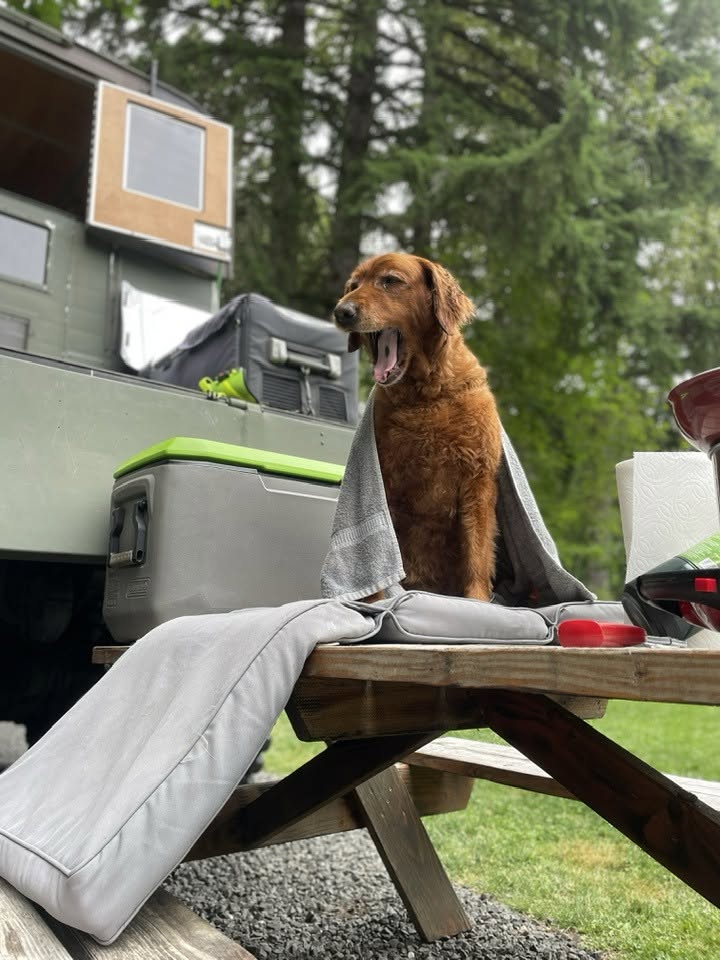
Overhead, rails surrounding the rooftop solar panel also help deflect branches alongside the cab, Columbus says. He retained the truck’s forward bed guards for brush protection. Storage called for a simpler solution: building exterior boxes would add fabrication work and weight for the camper jacks to lift, so they put their coolers to work instead. The coolers hold grill equipment and wet or dry gear, move wherever they’re useful in camp, and become seats or tables once they’re there.
Two propane tanks within the truck frame supply equipment including the fire pit and outdoor hot-water system. A 30-foot propane hose gives them the reach to set up on either side of the truck, with hot water available for an outdoor sink and shower. When a campsite dictates how the truck must park, their equipment can work around it. Columbus calls the arrangement “truly ambidextrous.”
The interior keeps evolving, too. They eventually replaced the table with a bed slightly larger than a queen and added a fridge-freezer at the back of the truck. Each trip gives them ideas for the next change.
As we use it each time we make a list of what to change and it is a constant process.
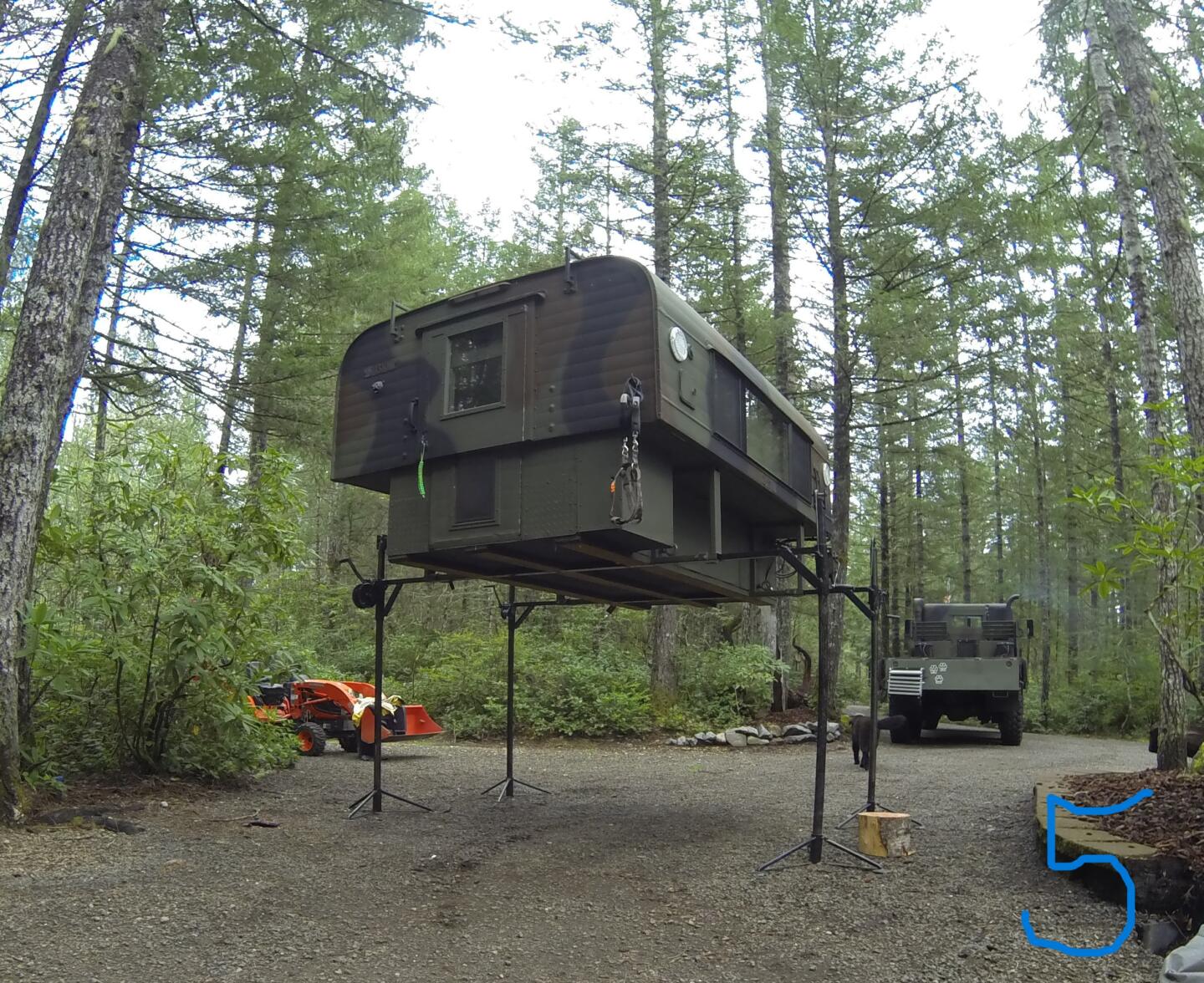
DCIM100GOPRO
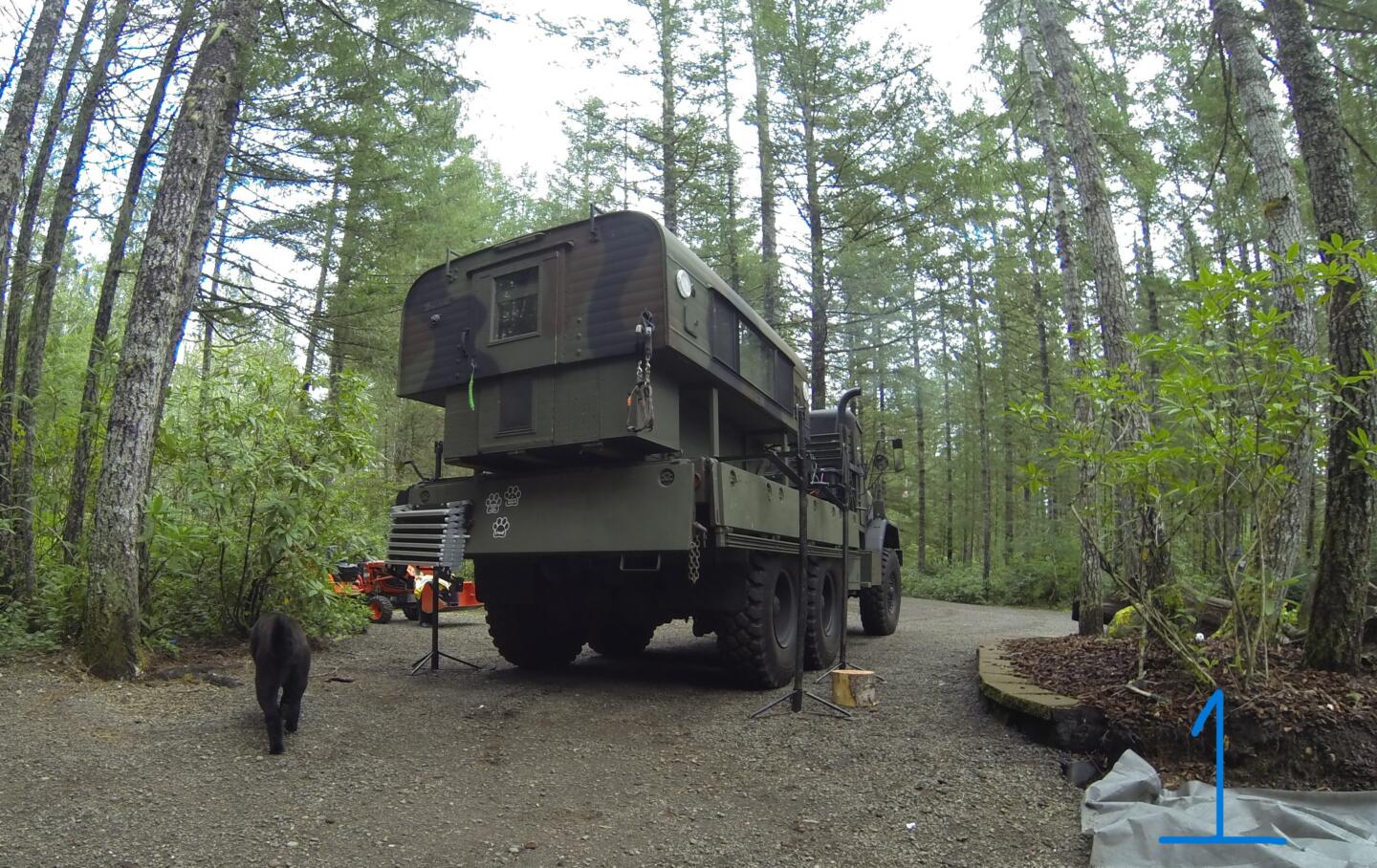
DCIM100GOPRO
Have a Story to Share?
Columbus waited years for his truck to make the newspaper, and their golden retriever finally got the picture. He’d named the truck CRAZY DOG for their dog leaning out the cab window, and when he and Chris rebuilt the Alaskan, they made room for the dogs to move freely and sleep beside them. Add the cheeseburger runs, and you get a pretty clear picture of life with Columbus and Chris.
Our thanks to Columbus and Chris for the stories, laughs, and photographs, and for a conversation we were in no hurry to wrap up. They even canceled a camping weekend to hold a their own photo shoot for this article, and we’re grateful for the care they put into sharing their story. Cheers guys!
Have an Alaskan story to share? Tell us about your trips, rebuild, or camper at [email protected]. We’d love to hear from you.