






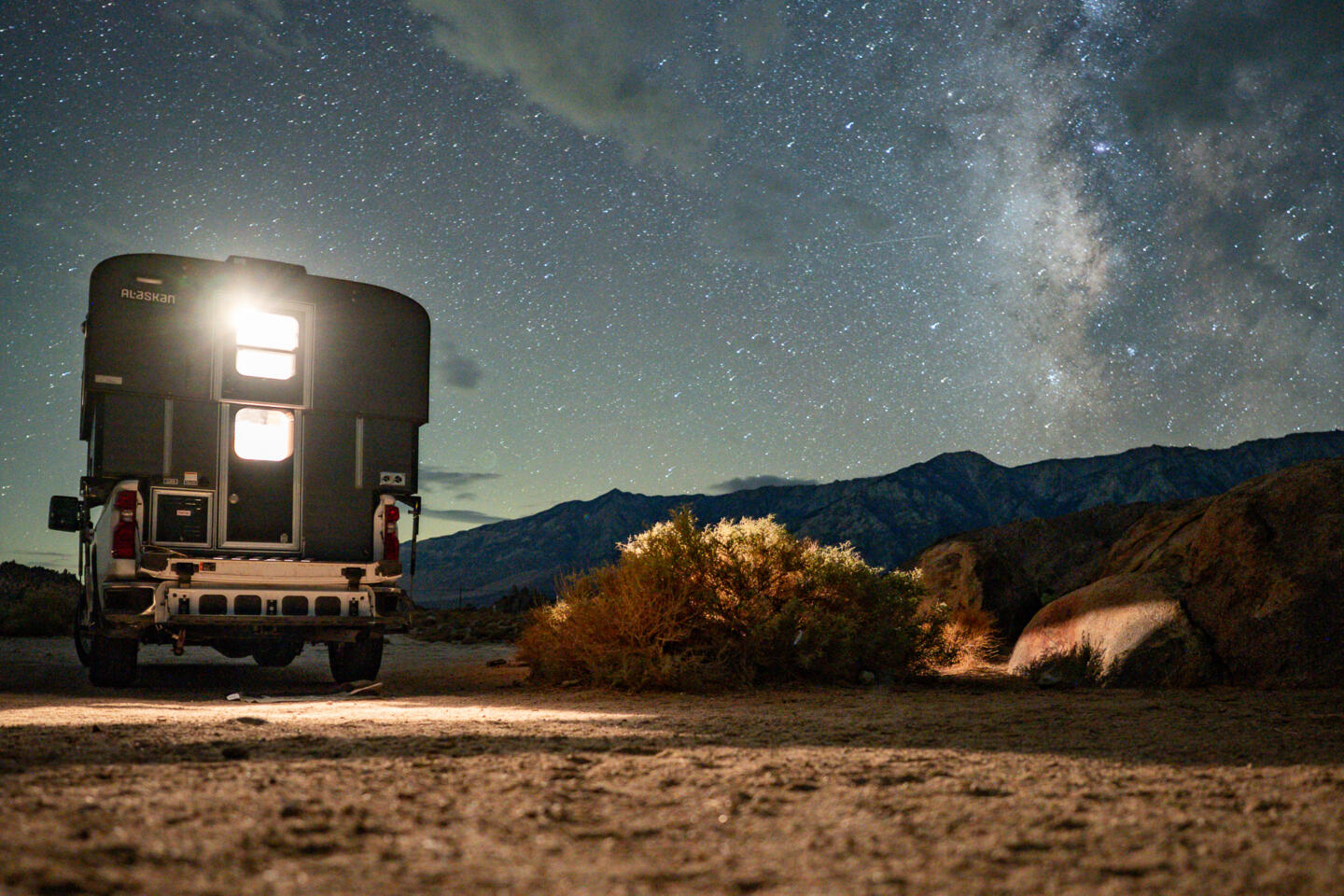
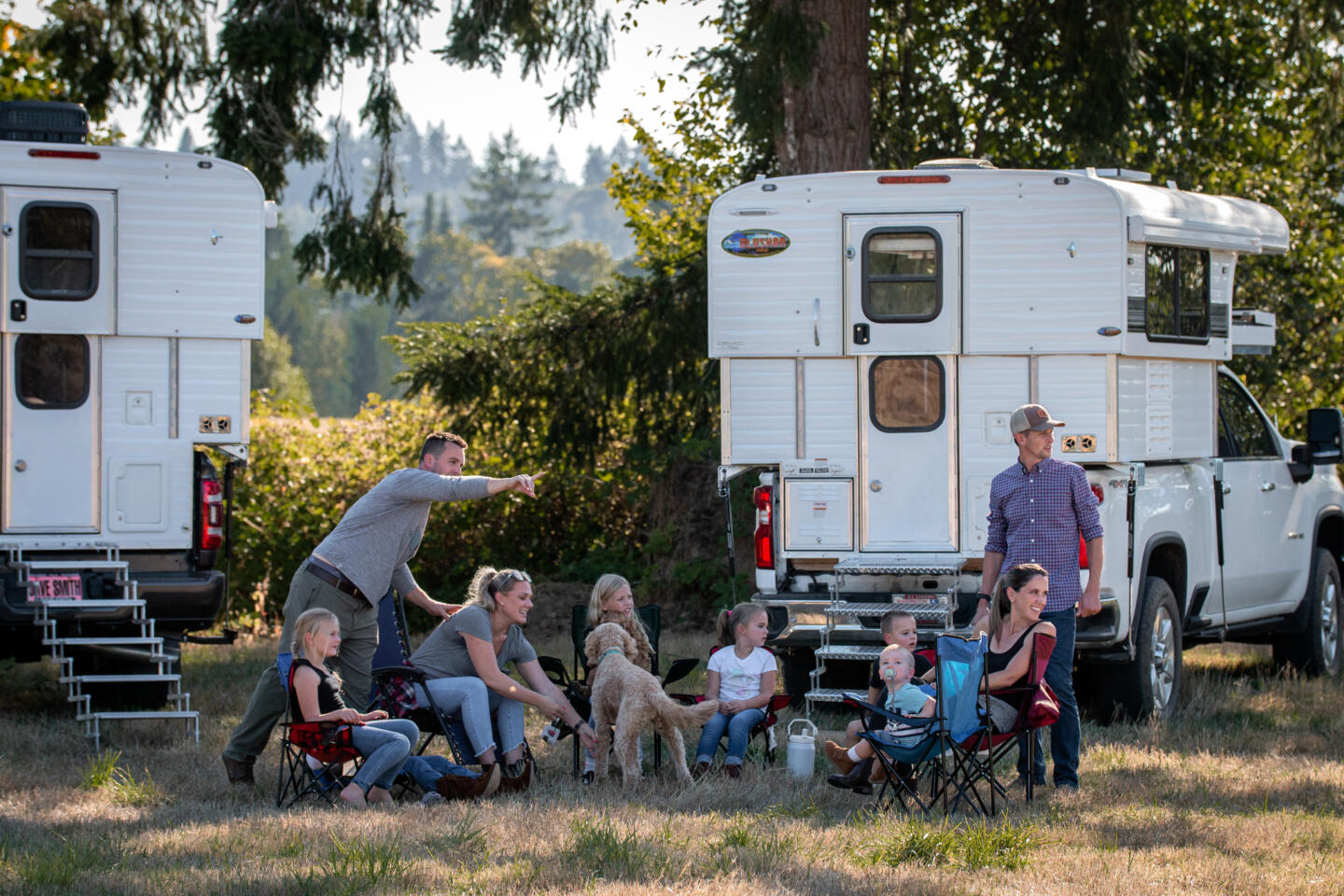

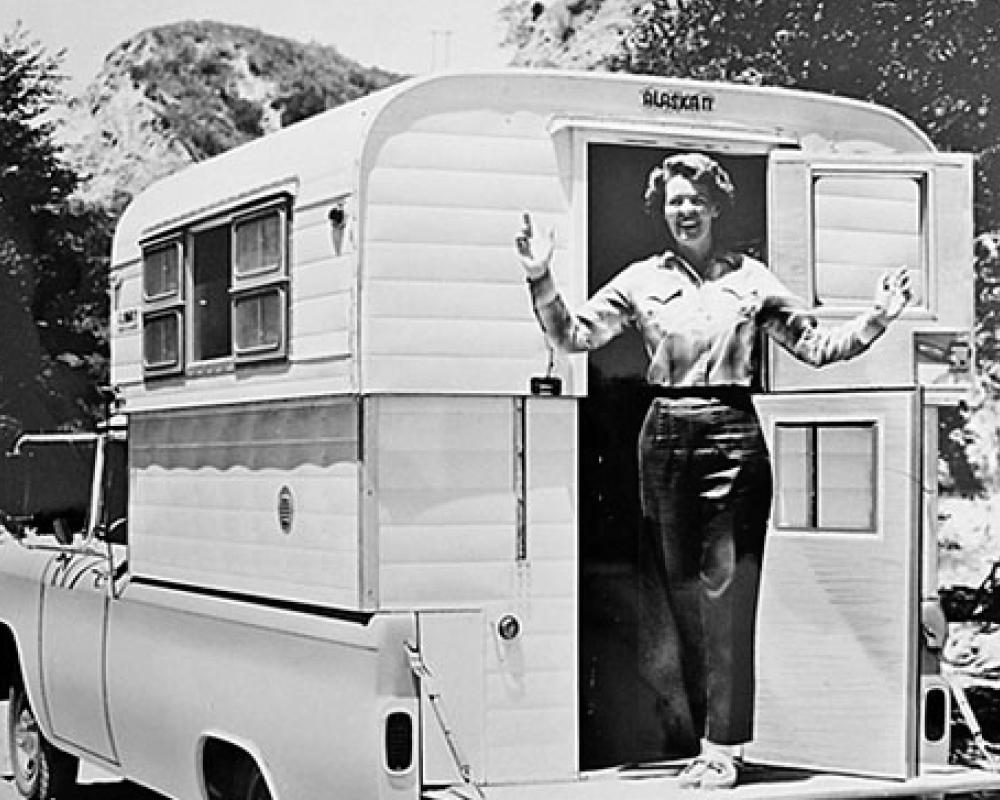
In 1958, Alaskan Campers introduced the world’s first hard-sided pop-up truck camper, creating a new way to travel without sacrificing the comfort and protection of solid-wall construction.
More than sixty years later, that same telescoping design remains at the heart of every Alaskan Camper. Lower on the road. Fully hard-sided at camp. One innovation that continues to deliver the best of both worlds.

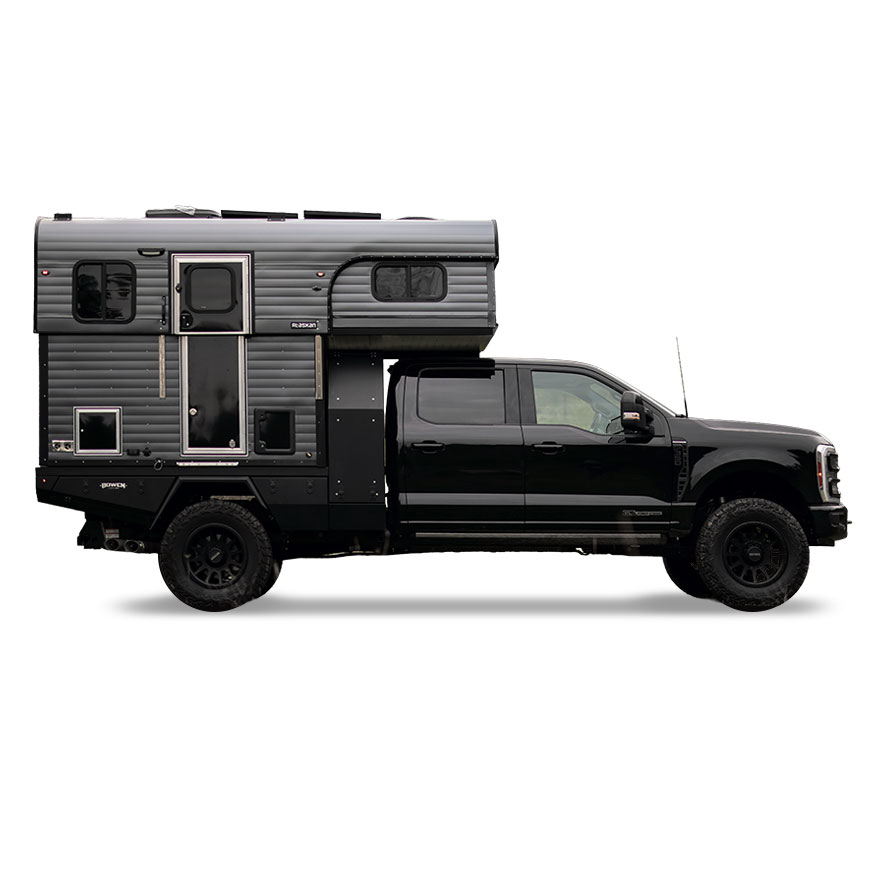
With the roof lowered, an Alaskan Camper stays compact, balanced, and easier to live with on the road. Keeping weight lower and reducing overall height improves stability, reduces driver fatigue, and opens access to places taller campers often avoid.
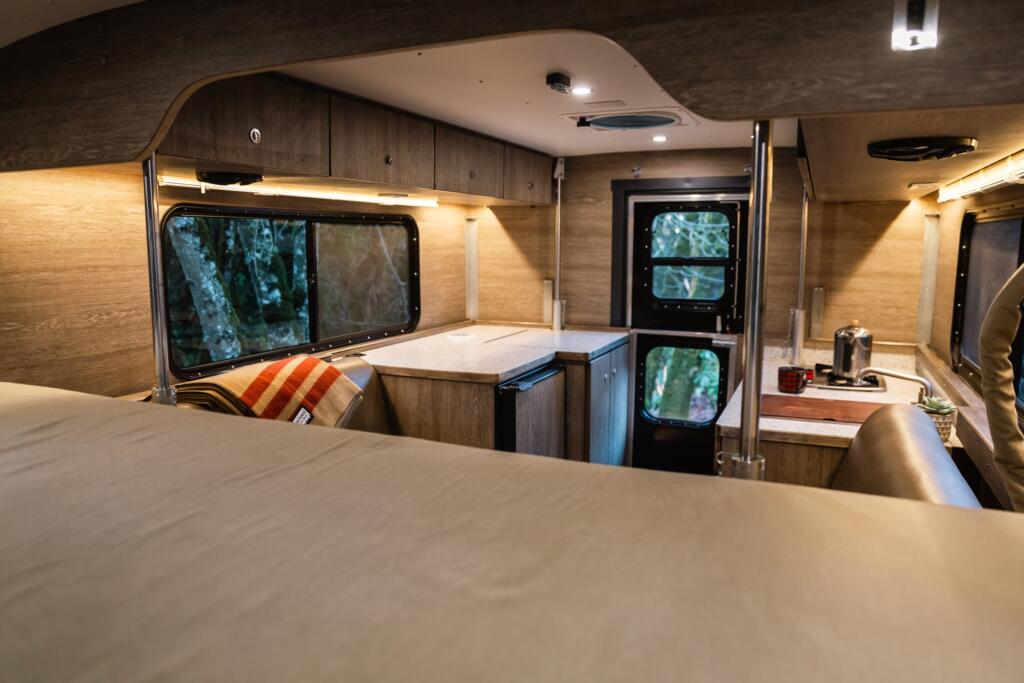
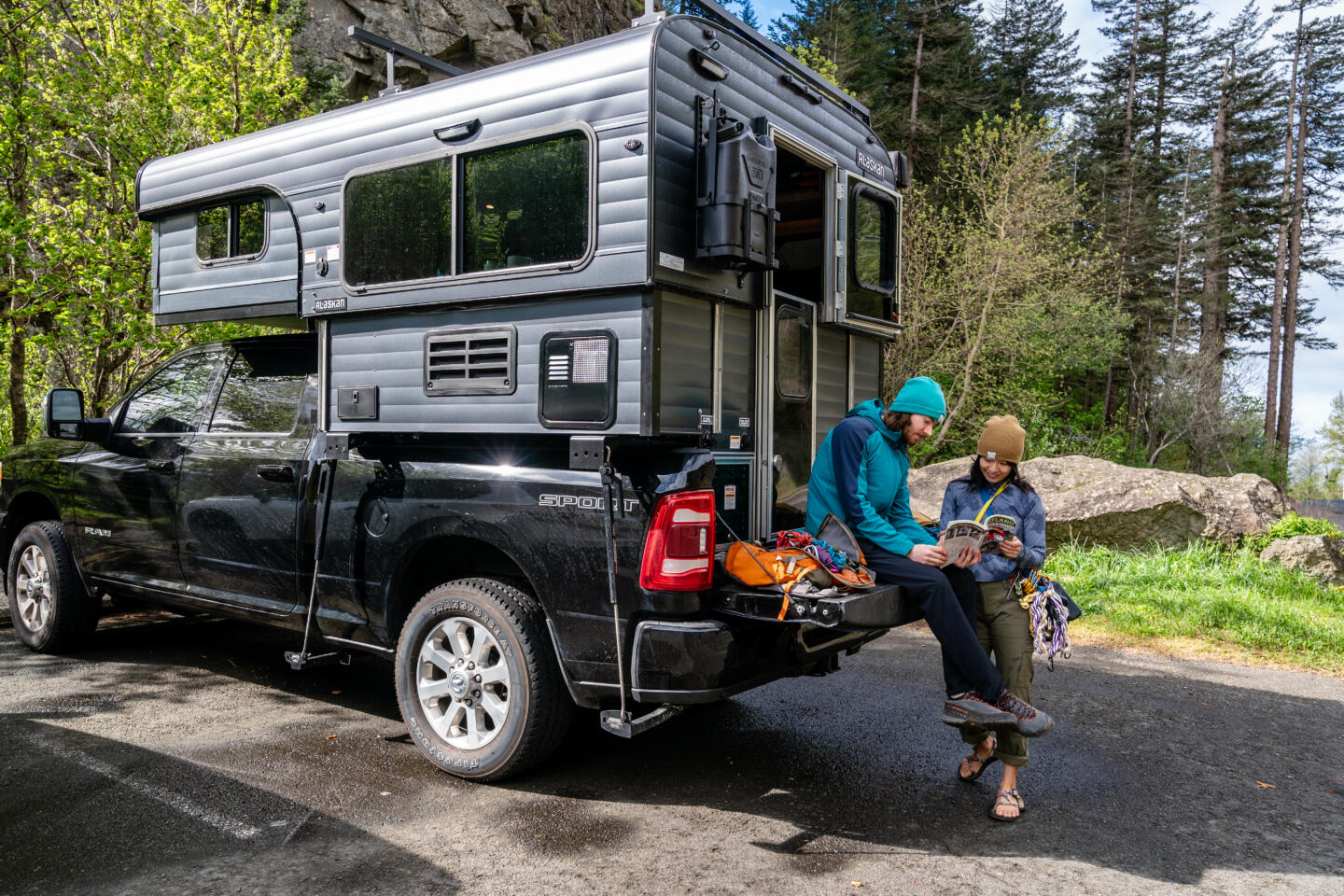
Raised at camp, the camper transforms into a fully hard-sided living space. Solid walls help reduce outside noise, improve insulation, and provide greater protection from changing weather, creating a more comfortable and secure place to settle in.
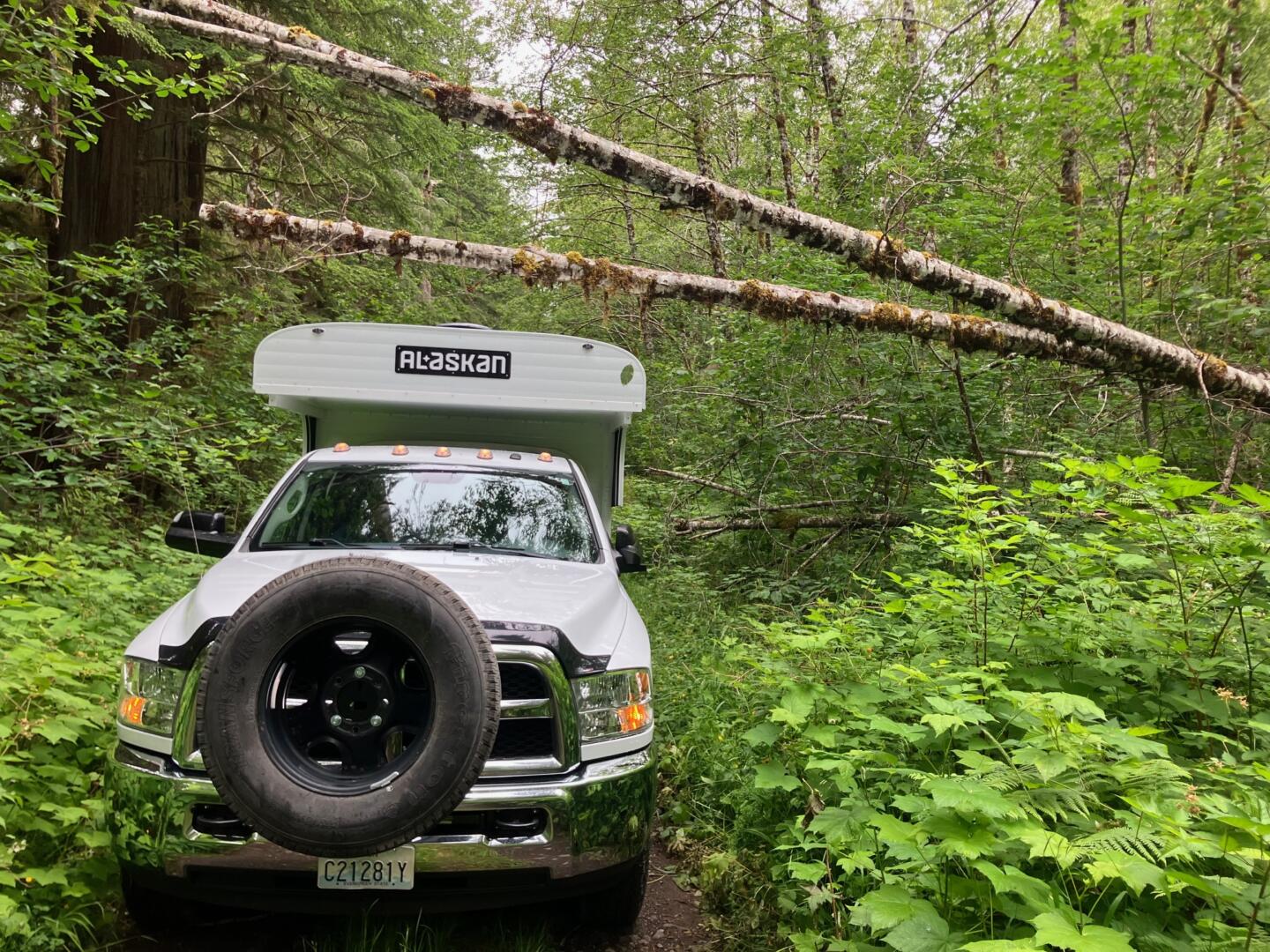
A lower travel profile creates opportunities taller campers often miss. Trailheads, ferry crossings, garages, older fuel stations, drive-thrus, and tree-lined backroads become easier to navigate without constantly watching for overhead obstacles. The reduced height helps expand where you can comfortably travel and park throughout the trip.
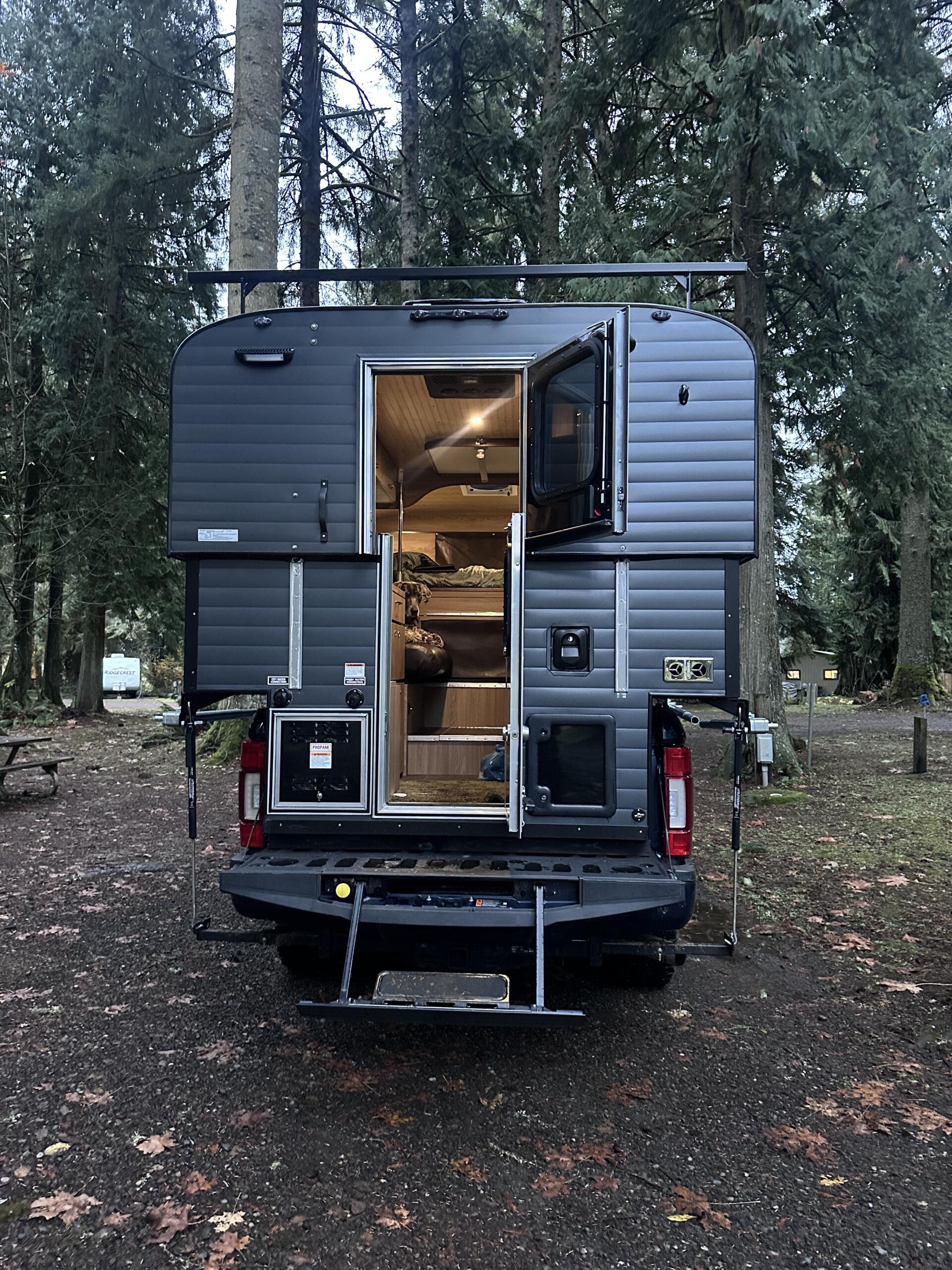
When raised, the camper becomes a fully hard-sided shelter built to handle changing weather. Solid walls provide greater protection from wind, rain, snow, dust, and exposure than soft-sided alternatives while helping maintain a more consistent interior environment. When forecasts change unexpectedly, the difference becomes immediately noticeable.
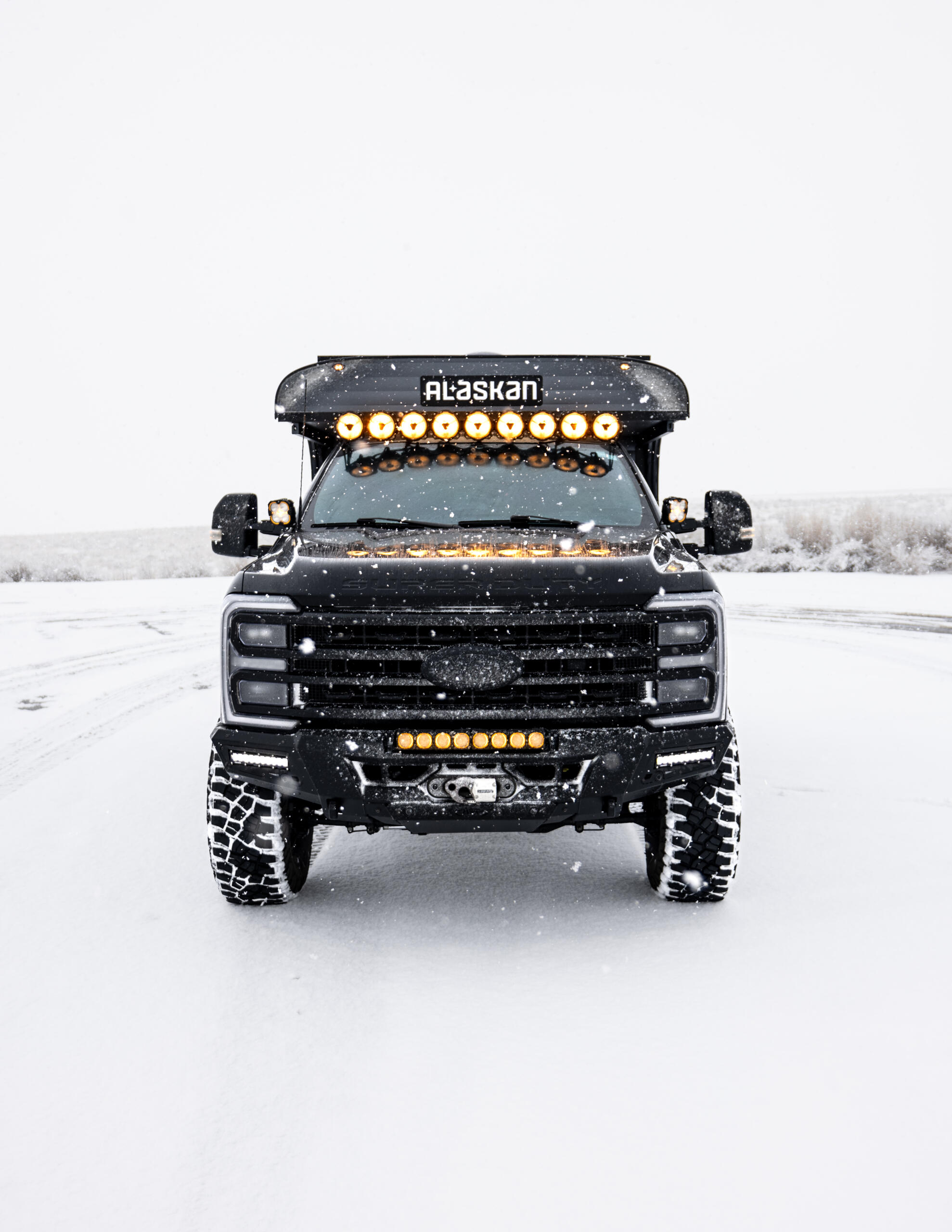
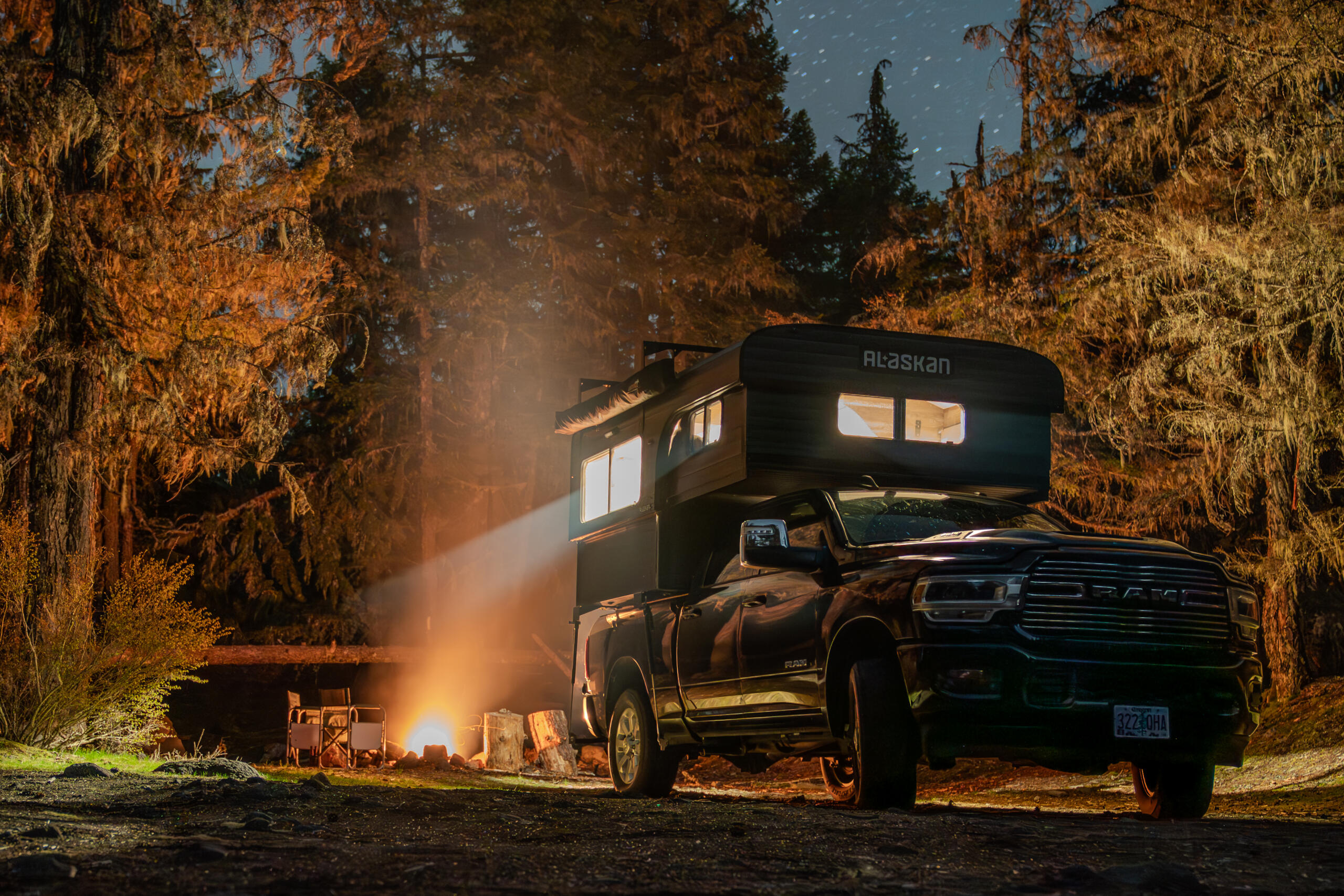
Hard-sided construction helps reduce outside noise and movement, creating a more settled environment once camp is set. Wind noise softens, rain becomes less intrusive, and the interior feels more stable during changing conditions. Whether you’re sleeping, reading, working remotely, or sharing a meal, camp simply feels more relaxed.
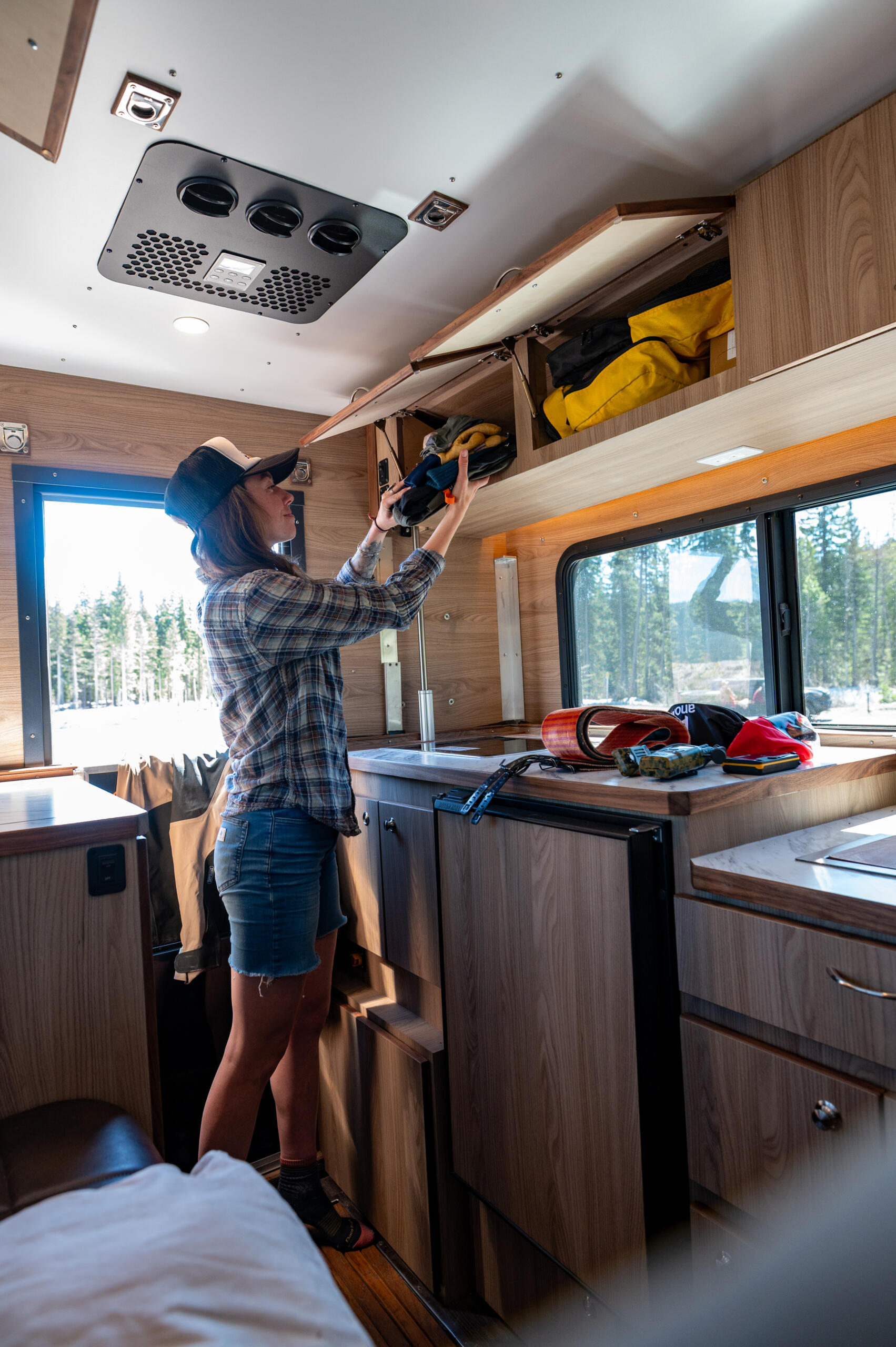
The hydraulic lift system allows the camper to transition from travel mode to camp mode in minutes. Frequent moves become easier, quick overnight stops feel less disruptive, and setting camp remains straightforward even after a long day on the road. More time can be spent enjoying the destination instead of preparing for it.
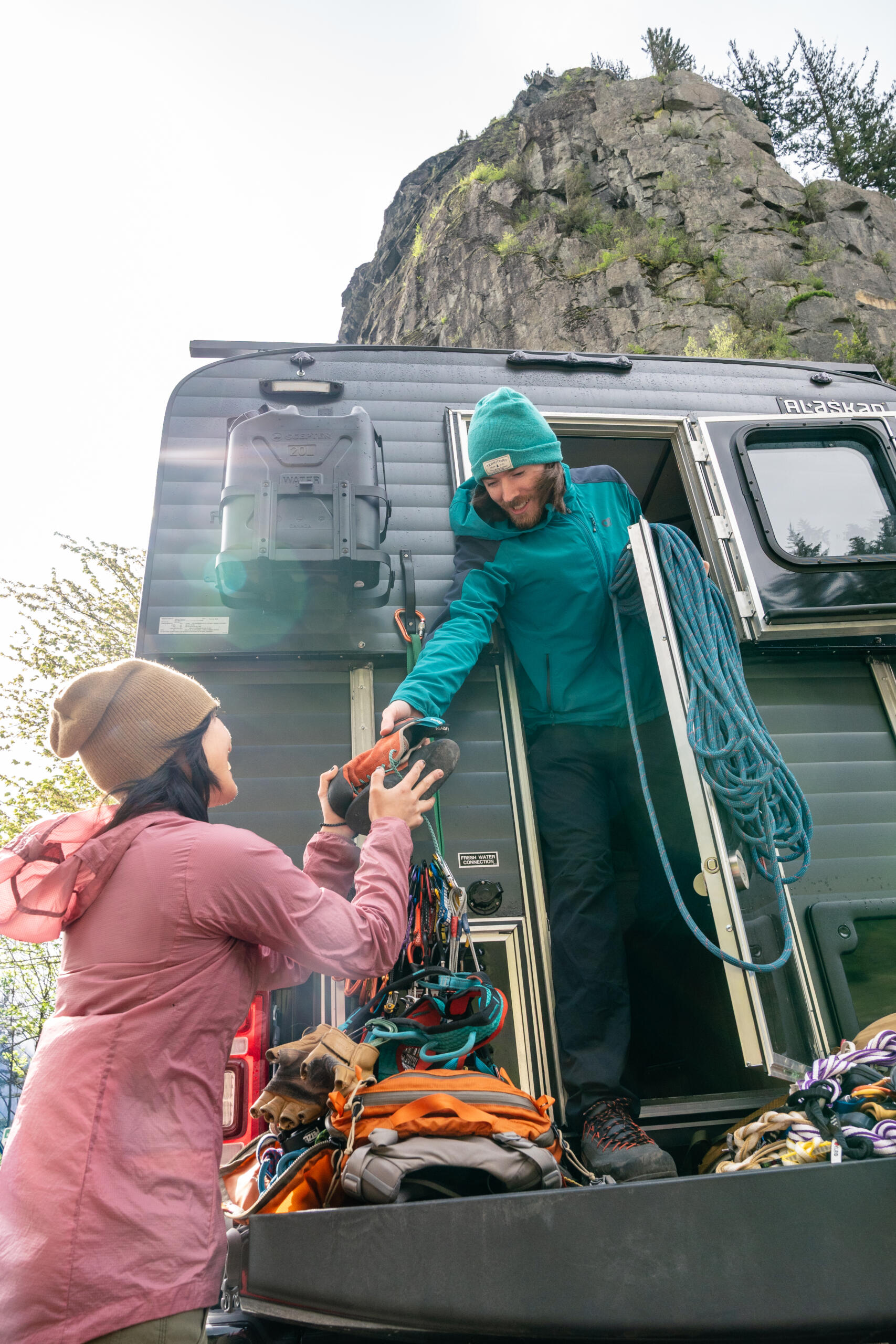
Many innovations come and go. Alaskan’s telescoping hard-sided design has remained because it continues solving the same challenge today as it did in 1958: delivering a lower profile on the road and a fully hard-sided living space at camp. Decades of real-world use have refined the concept without changing what made it valuable in the first place.
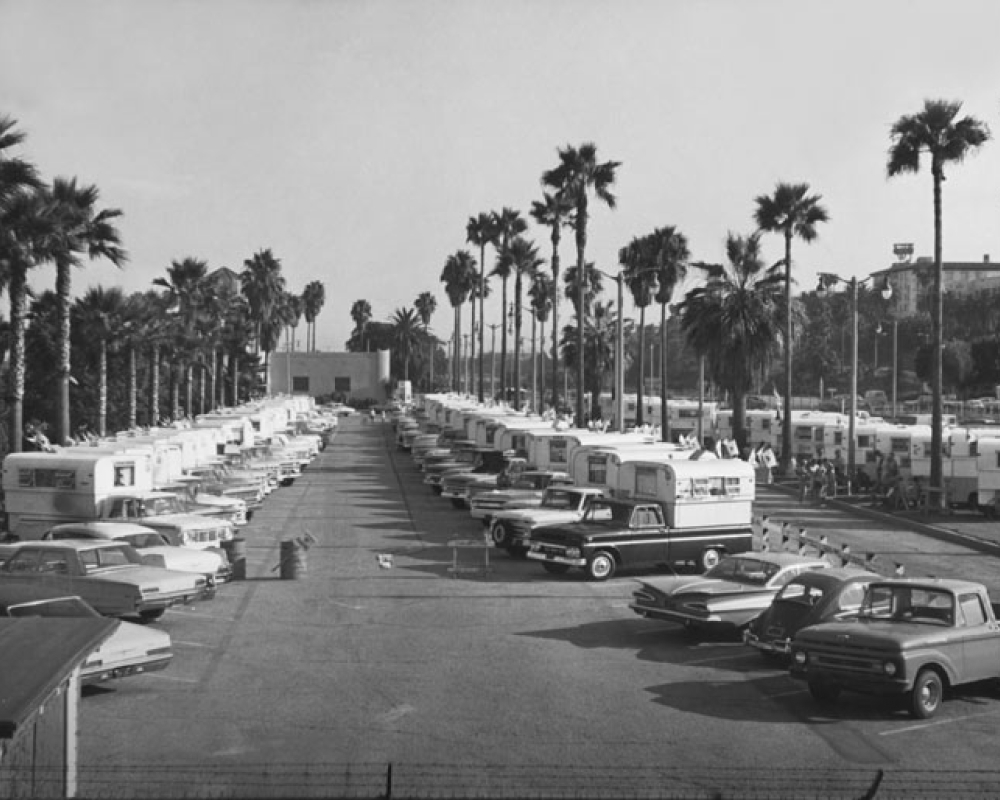
A lower travel profile creates opportunities taller campers often miss. Trailheads, ferry crossings, garages, older fuel stations, drive-thrus, and tree-lined backroads become easier to navigate without constantly watching for overhead obstacles. The reduced height helps expand where you can comfortably travel and park throughout the trip.
When raised, the camper becomes a fully hard-sided shelter built to handle changing weather. Solid walls provide greater protection from wind, rain, snow, dust, and exposure than soft-sided alternatives while helping maintain a more consistent interior environment. When forecasts change unexpectedly, the difference becomes immediately noticeable.
Hard-sided construction helps reduce outside noise and movement, creating a more settled environment once camp is set. Wind noise softens, rain becomes less intrusive, and the interior feels more stable during changing conditions. Whether you’re sleeping, reading, working remotely, or sharing a meal, camp simply feels more relaxed.
The hydraulic lift system allows the camper to transition from travel mode to camp mode in minutes. Frequent moves become easier, quick overnight stops feel less disruptive, and setting camp remains straightforward even after a long day on the road. More time can be spent enjoying the destination instead of preparing for it.
Many innovations come and go. Alaskan’s telescoping hard-sided design has remained because it continues solving the same challenge today as it did in 1958: delivering a lower profile on the road and a fully hard-sided living space at camp. Decades of real-world use have refined the concept without changing what made it valuable in the first place.
The right camper starts with the right match. Bed length, payload, center of gravity, and how you travel all play a role in finding the ideal setup. Alaskan offers multiple models and configurations designed to work with a wide range of trucks, travel styles, and adventures.
Use Find Your Alaskan to compare models, match campers to your truck, and explore configurations built around how you actually travel.
What are the benefits of a hard-sided pop-up camper?
A hard-sided pop-up combines the advantages of two camper styles. With the roof lowered, you get a lower profile for travel, improved handling, and greater access. Raised at camp, solid walls provide better protection from weather, noise, and temperature swings than traditional soft-sided alternatives.
Does a hard-sided camper still allow a lower travel height?
Yes. Alaskan’s telescoping design lowers for travel and raises at camp. This allows you to maintain a more compact profile on the road without giving up the comfort and protection of a fully hard-sided living space when parked.
Does the lower profile improve handling and stability?
A lower center of gravity and reduced wind profile can help create a more stable and predictable driving experience. Many owners notice less sway, improved confidence in crosswinds, and reduced driver fatigue during long travel days.
Will an Alaskan Camper feel different to drive than a traditional truck camper?
Many owners find that a lower-profile camper feels more balanced and easier to manage on the road. Reduced height can help improve visibility, lessen the effects of crosswinds, and make everyday driving feel more natural.
How does a lower profile help with access and clearance?
A lower travel height can make it easier to navigate garages, ferries, fuel stations, trailheads, backroads, and other areas where overhead clearance becomes a concern. It also helps reduce contact with low-hanging branches and obstacles on narrow routes.
Does hard-sided construction improve insulation and comfort?
Yes. Insulated hard walls and ceilings help maintain a more consistent interior environment through changing weather conditions. This can improve comfort during both warmer and colder seasons while reducing exposure to outside elements.

The smaller Alaskan started making more sense almost immediately.