


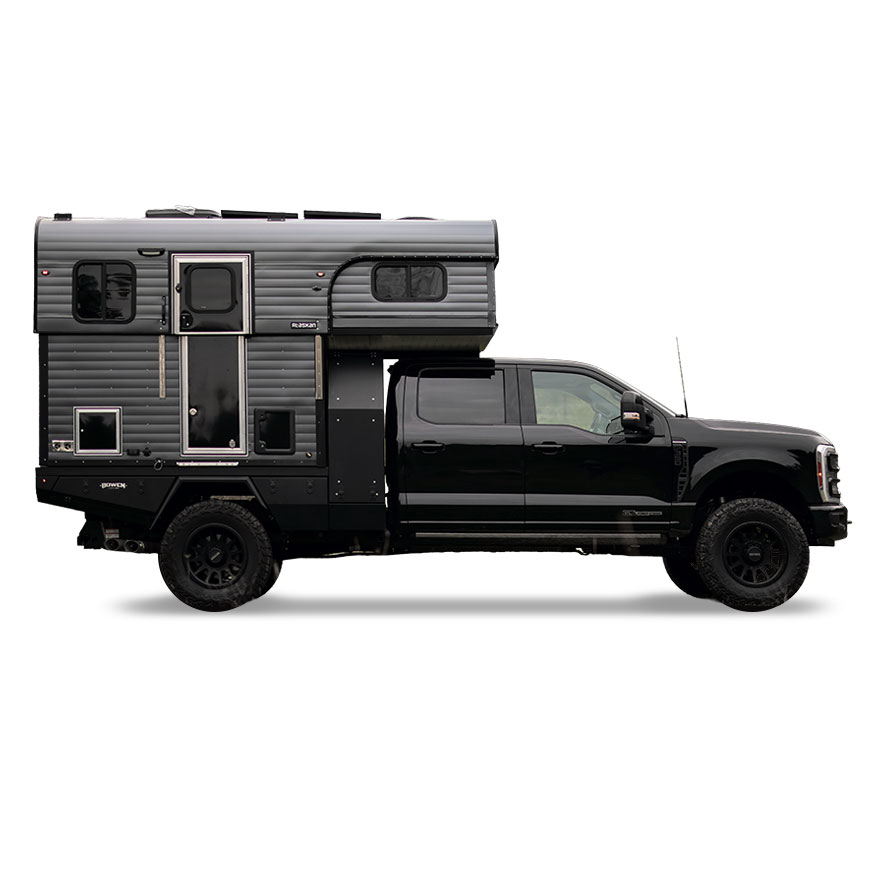

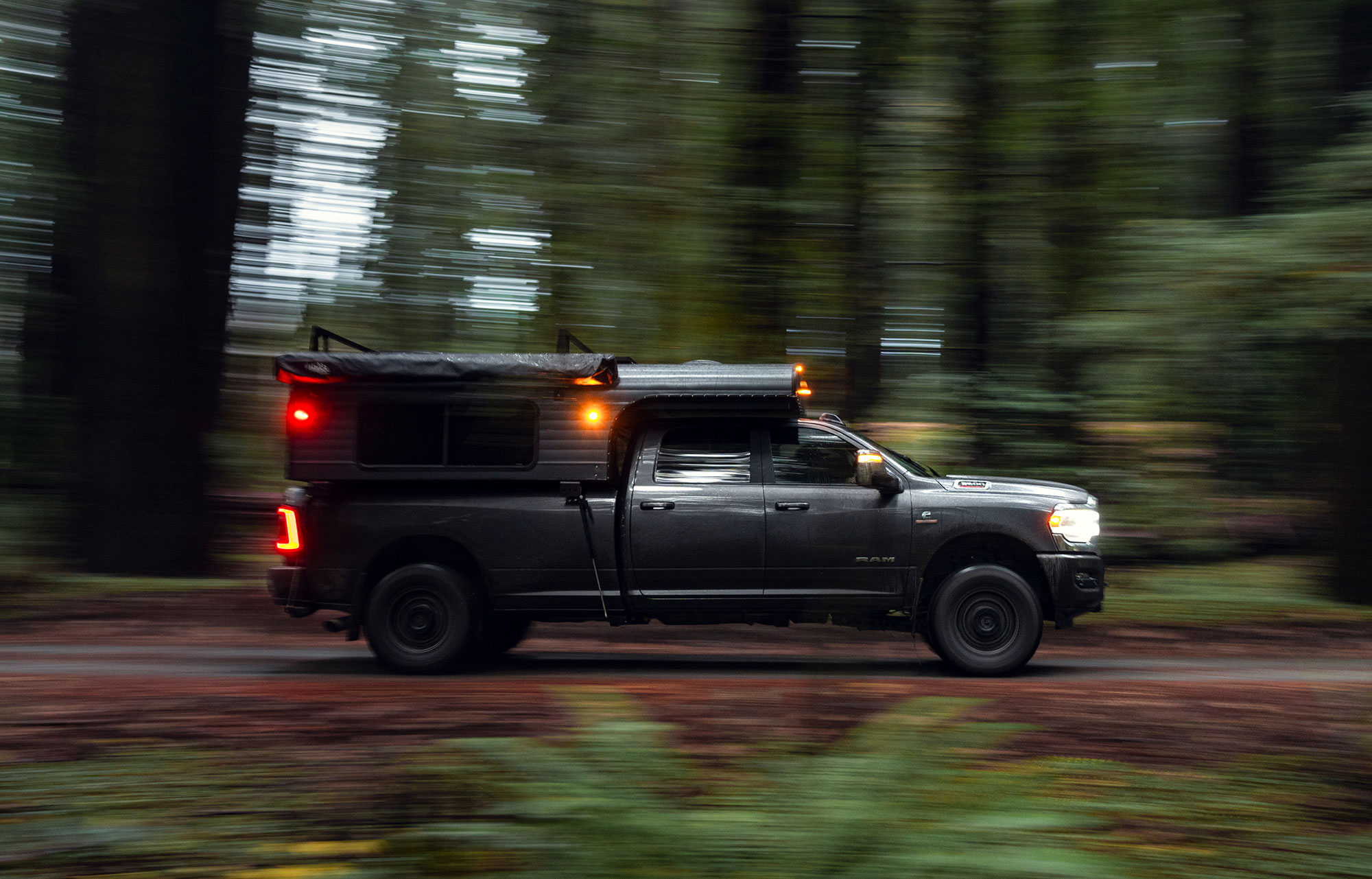



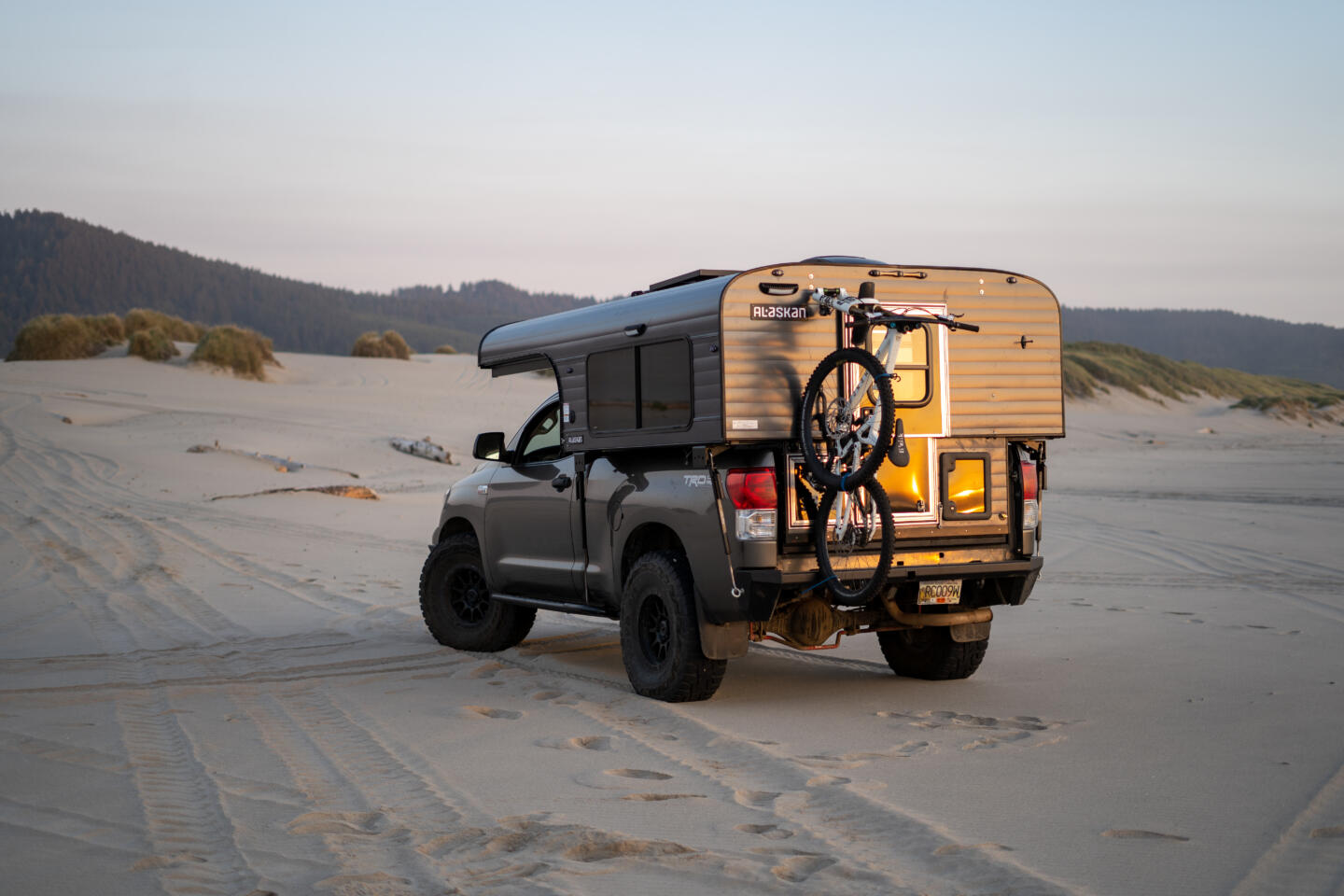
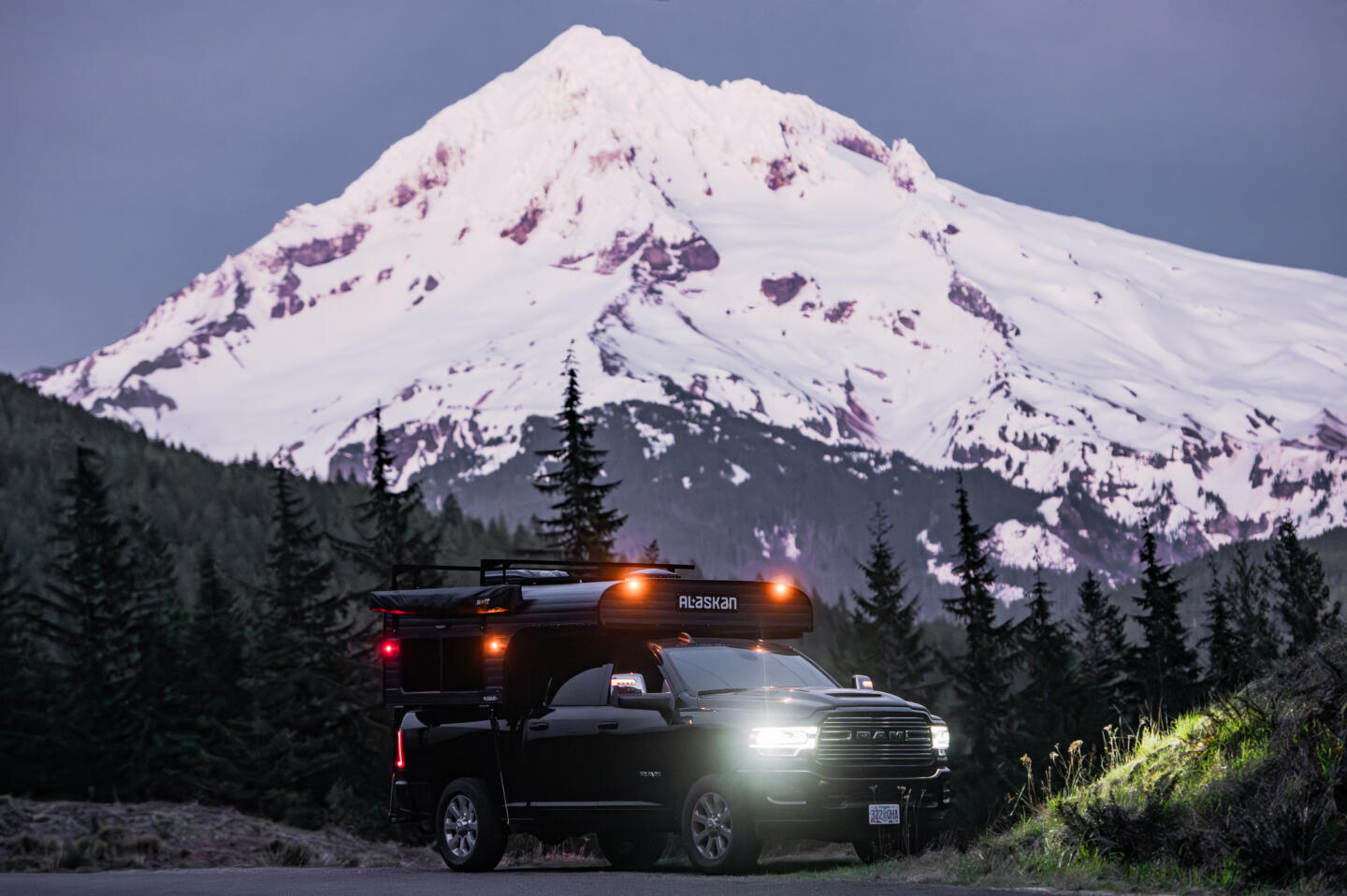
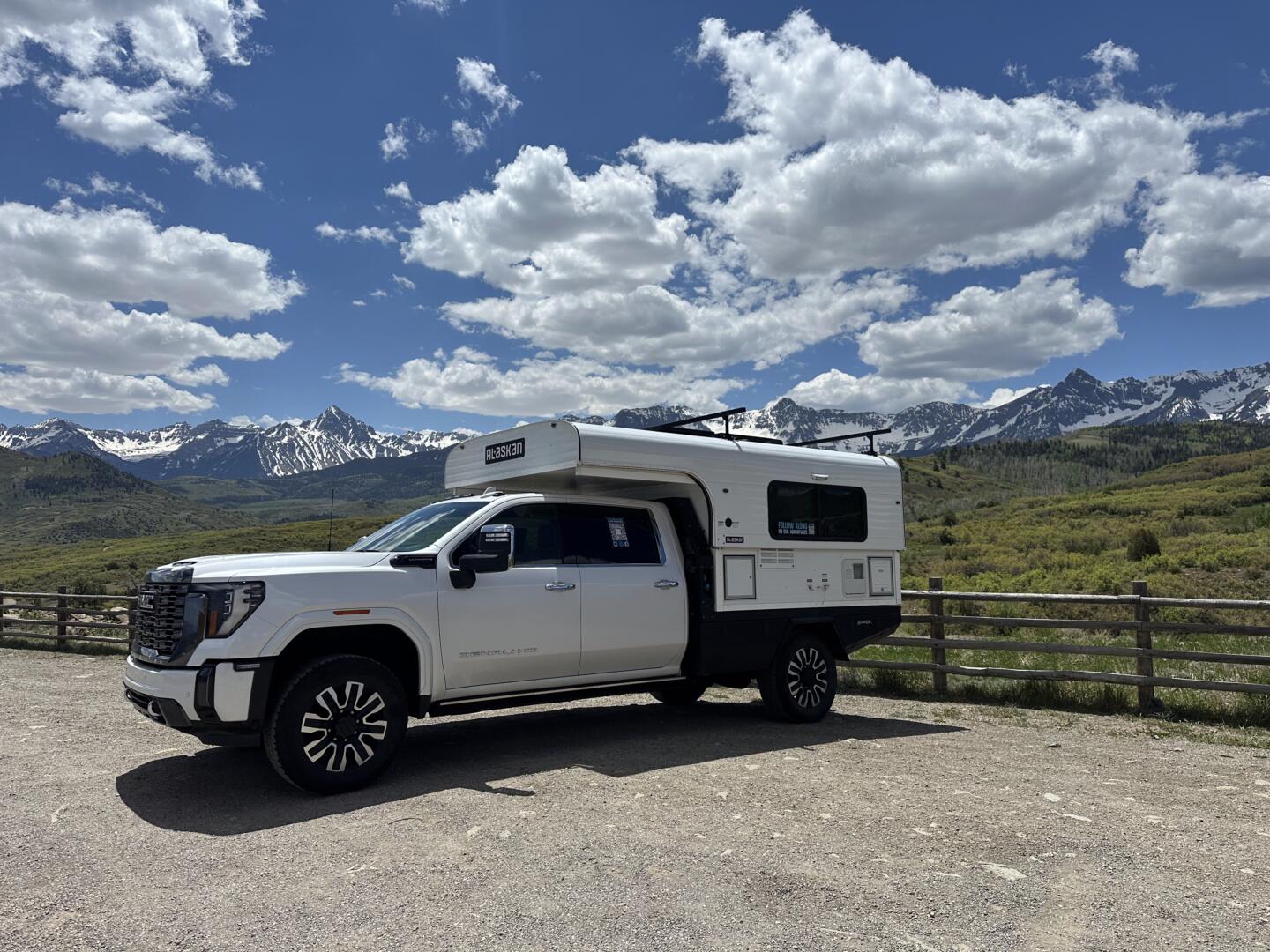
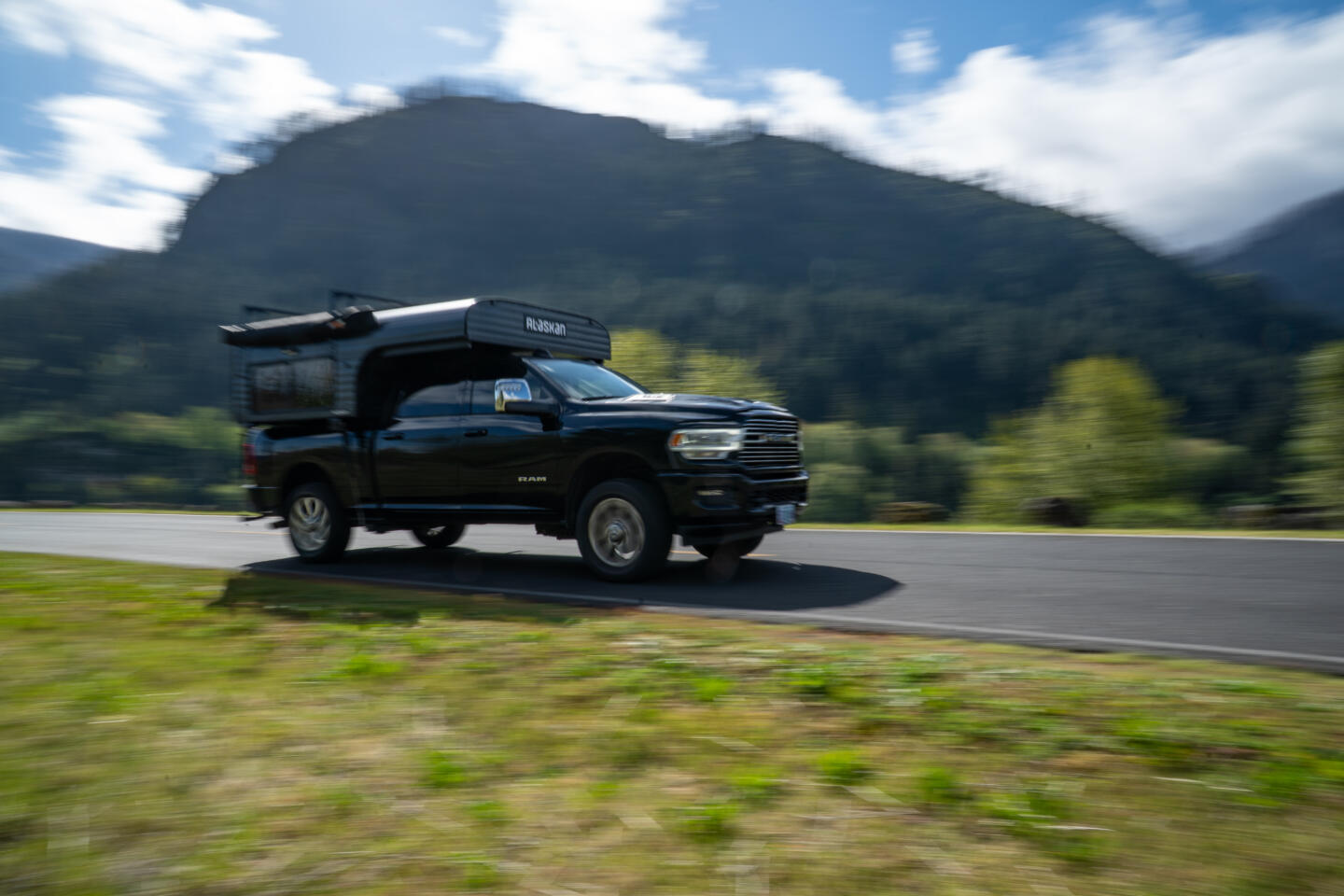
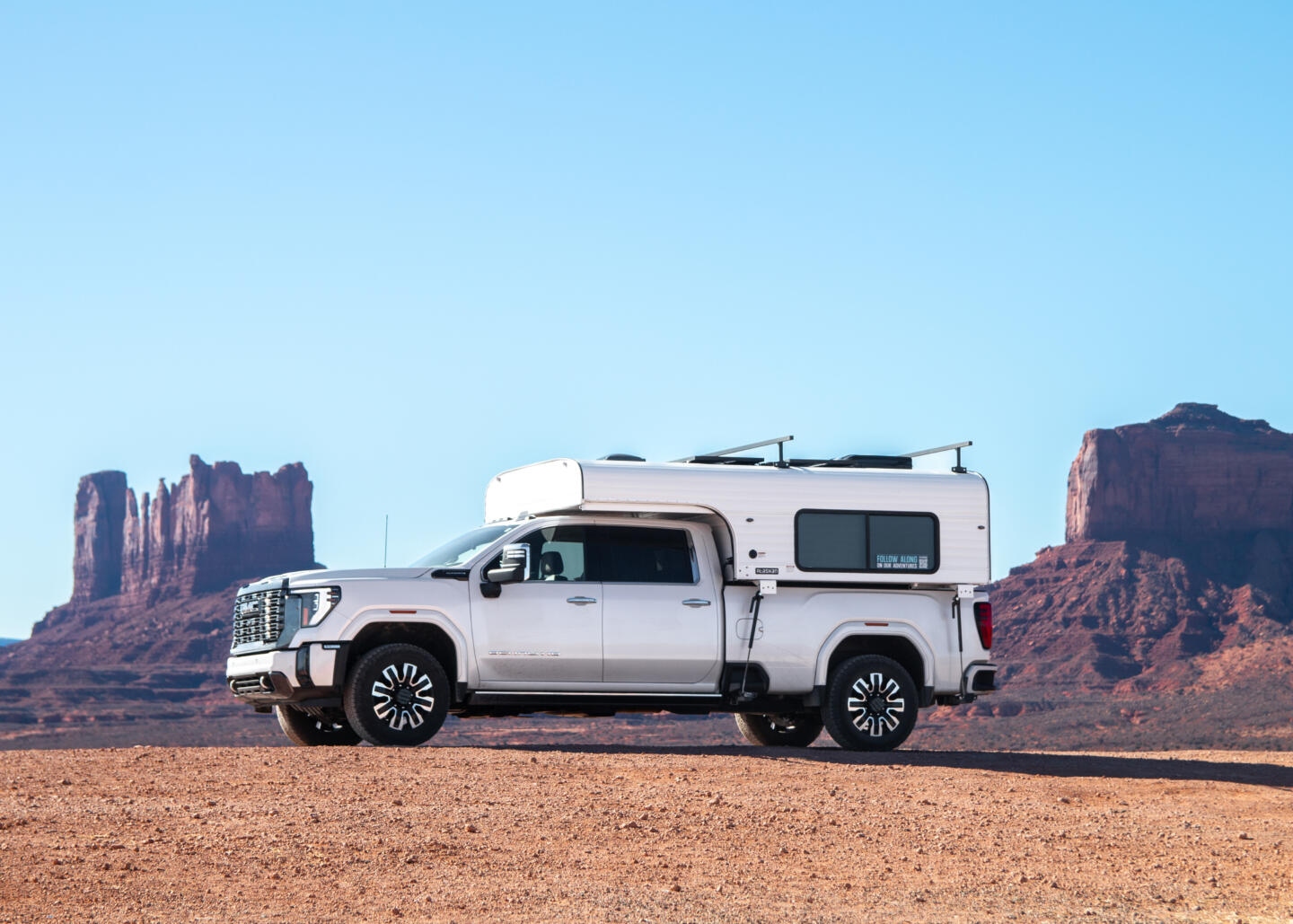
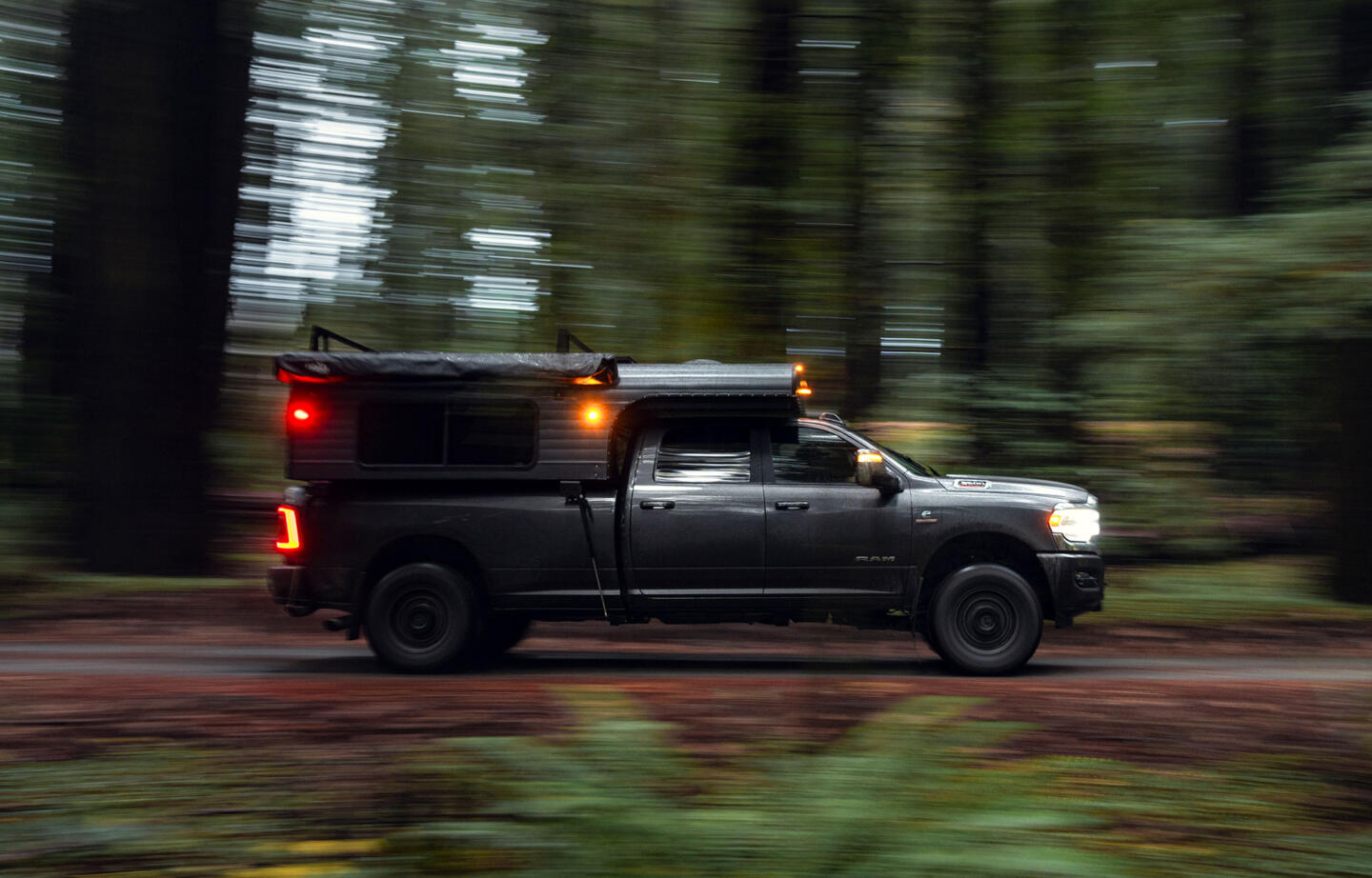
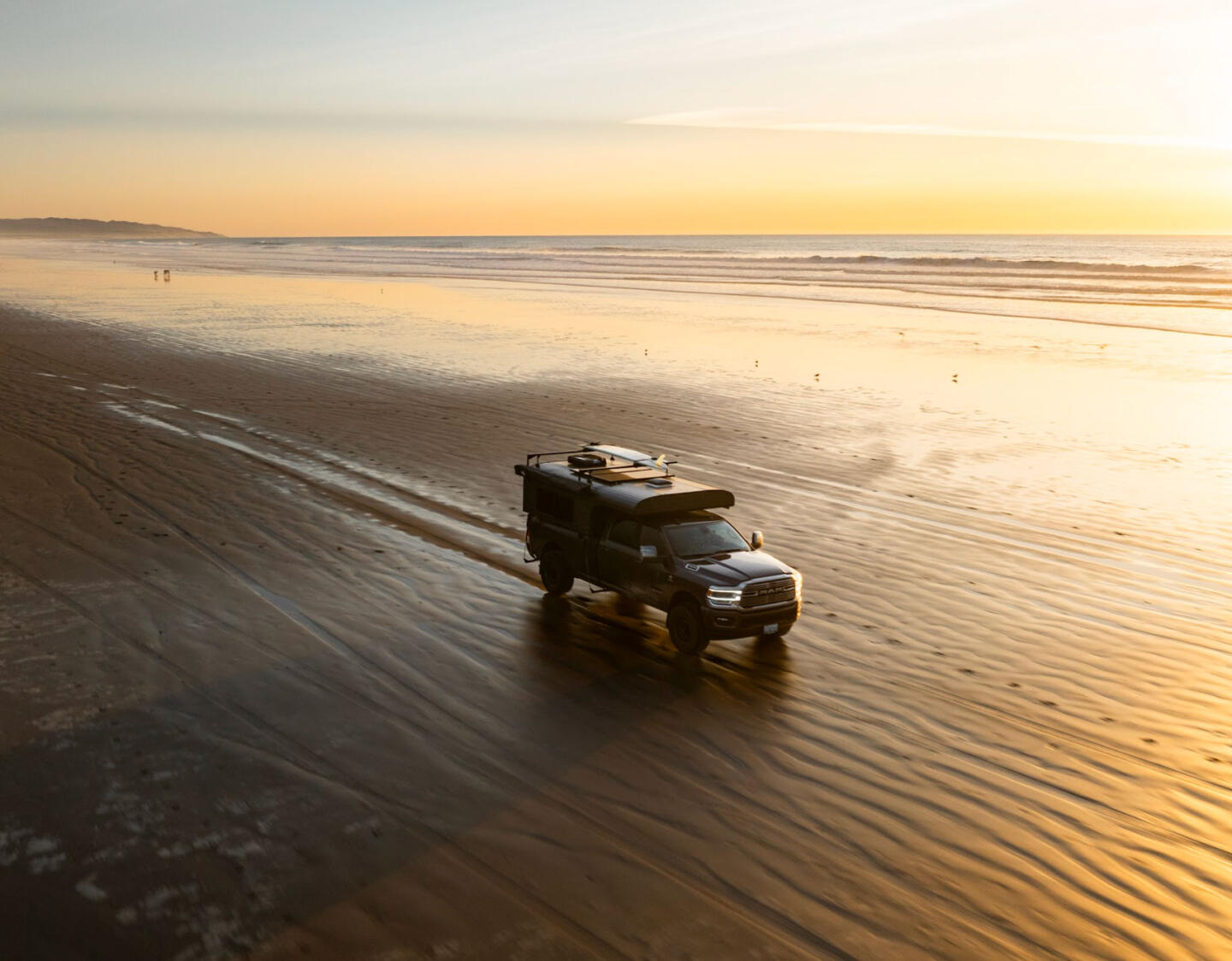
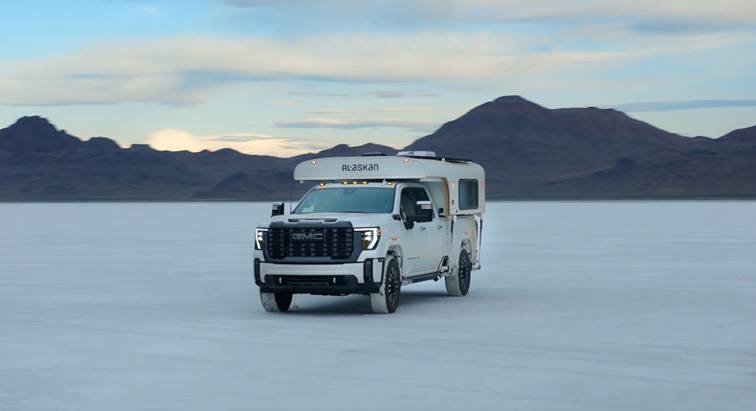
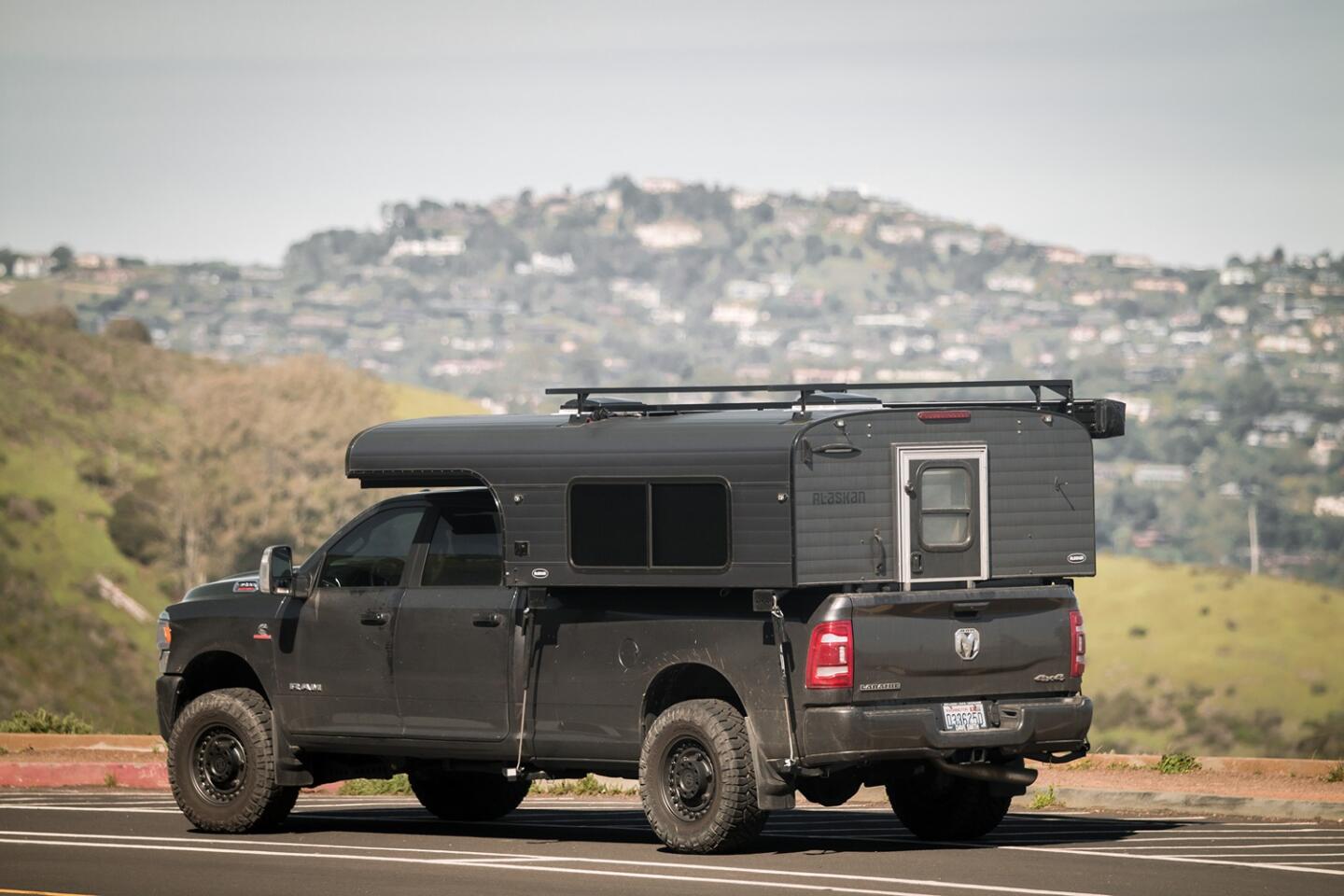
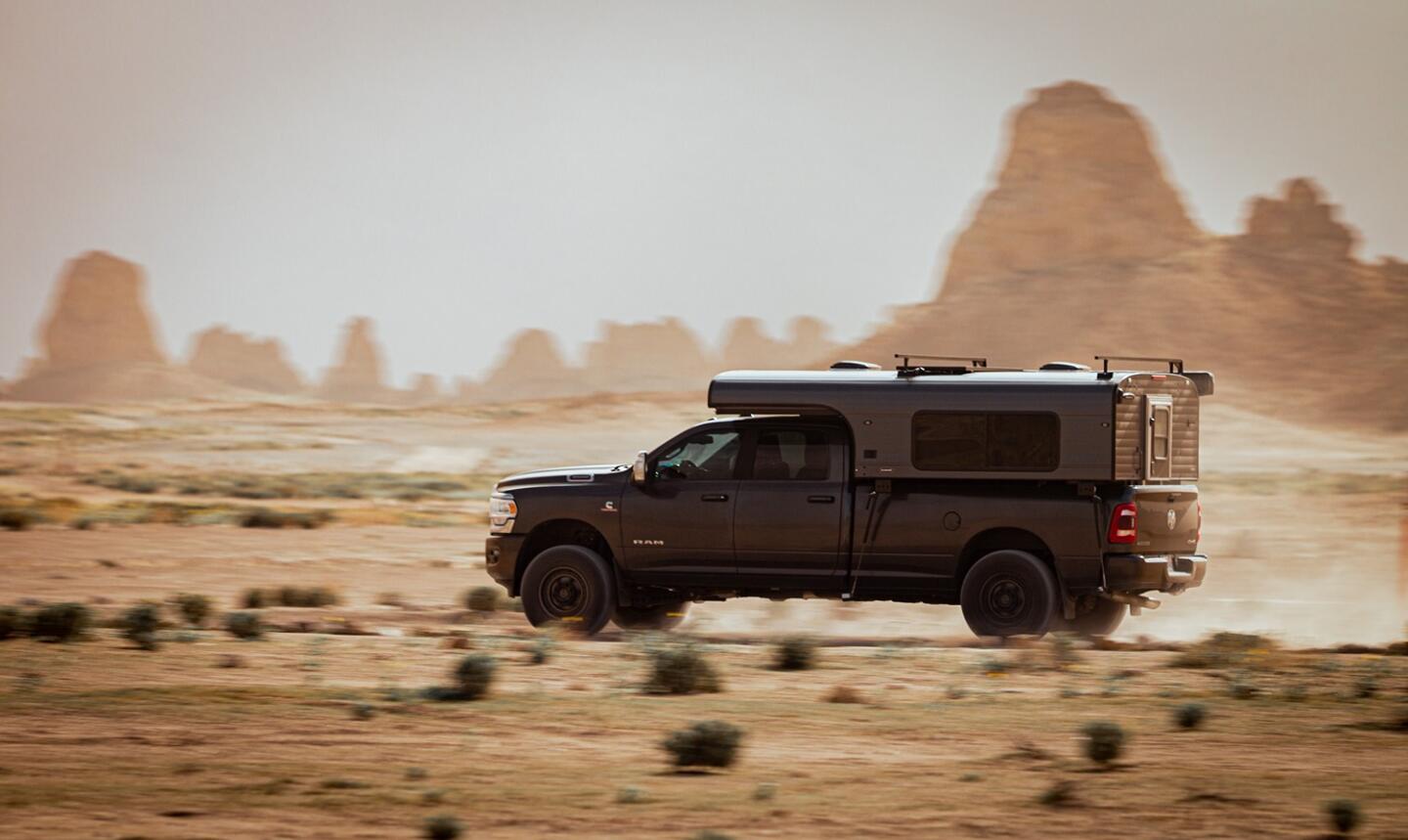
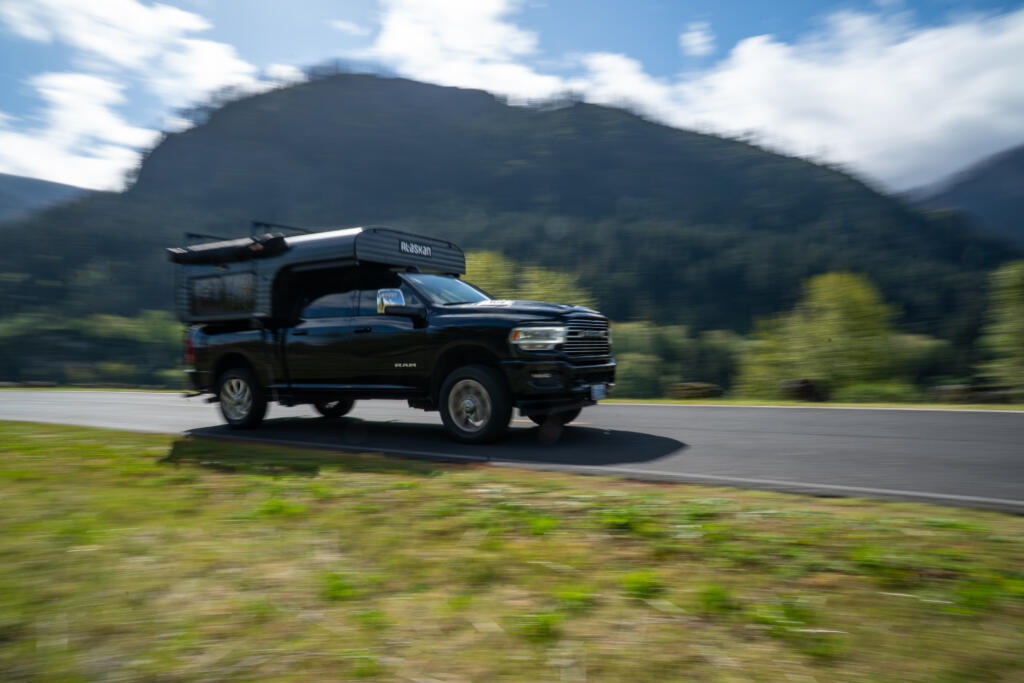
With the roof down, the camper stays compact and balanced, so the truck tracks cleanly and steering stays steady even in wind and traffic. There’s less correction, less strain over long drives, and fewer moments of second-guessing, whether you’re on the highway, rough roads, or pulling into a tight stop.

Height and weight distribution directly shape how a truck handles, especially at speed and in changing conditions. By keeping the profile low in transit, Alaskan campers hold weight closer to the bed, improving stability, reducing sway, and keeping steering consistent through corners, crosswinds, and uneven roads. The truck responds more predictably, braking stays controlled, and long drives take less effort.

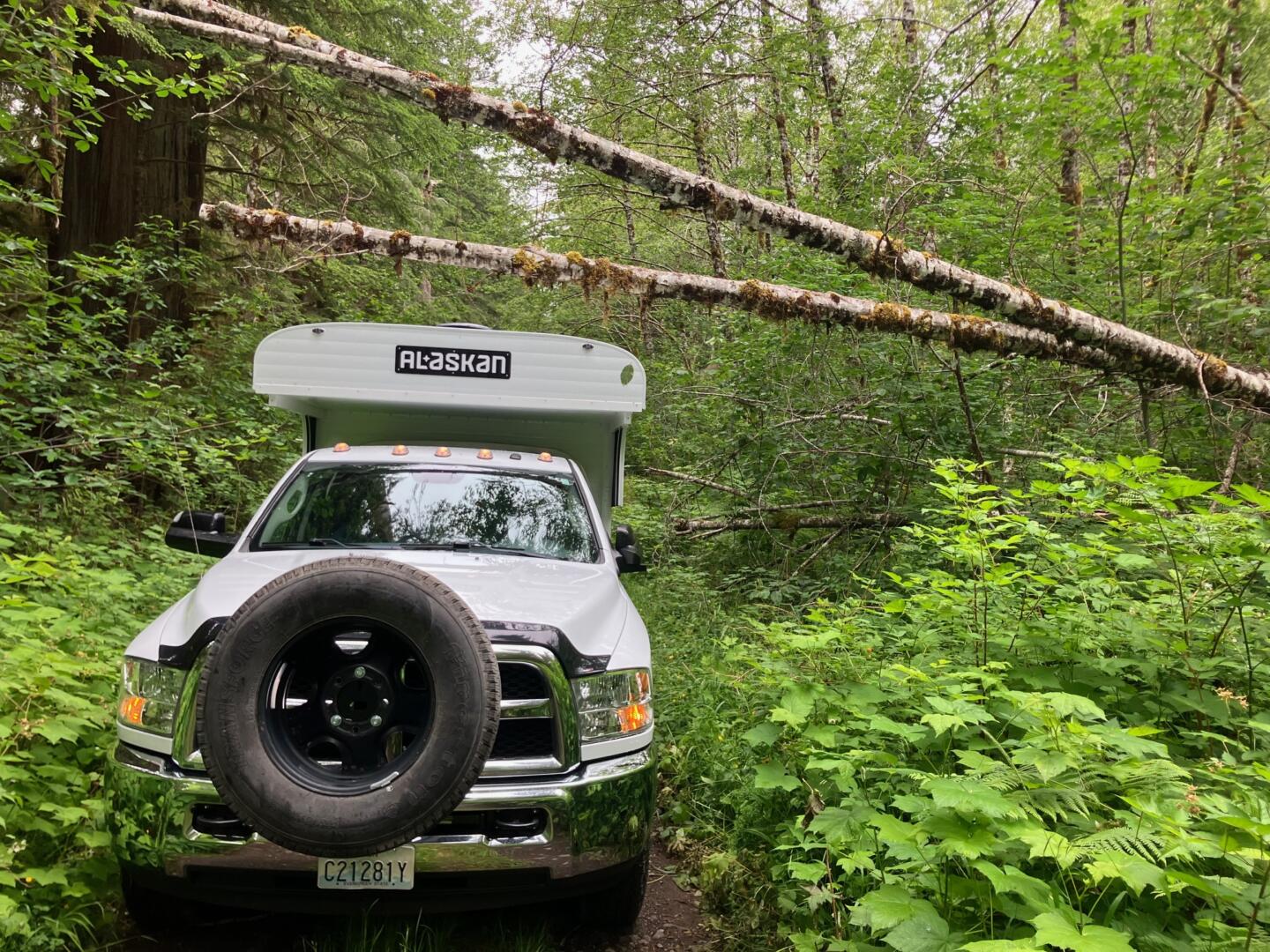
A few inches of height can decide where you can go, and what you leave behind. Low-profile travel keeps more options open, so garages, ferries, older fuel stations, trailhead parking, and even drive-thrus with those low clearance bars don’t turn into spots you have to second-guess or skip entirely. On tighter roads, it goes beyond convenience, since branches that would normally scrape, catch, or tear into exposed components pass overhead instead of causing real damage. You spend less time watching for what’s above you and more time focused on where you’re going.
Long drives feel steady and predictable. The lower profile reduces wind resistance and keeps steering consistent at speed, so you’re not constantly correcting or fighting crosswinds over long stretches.
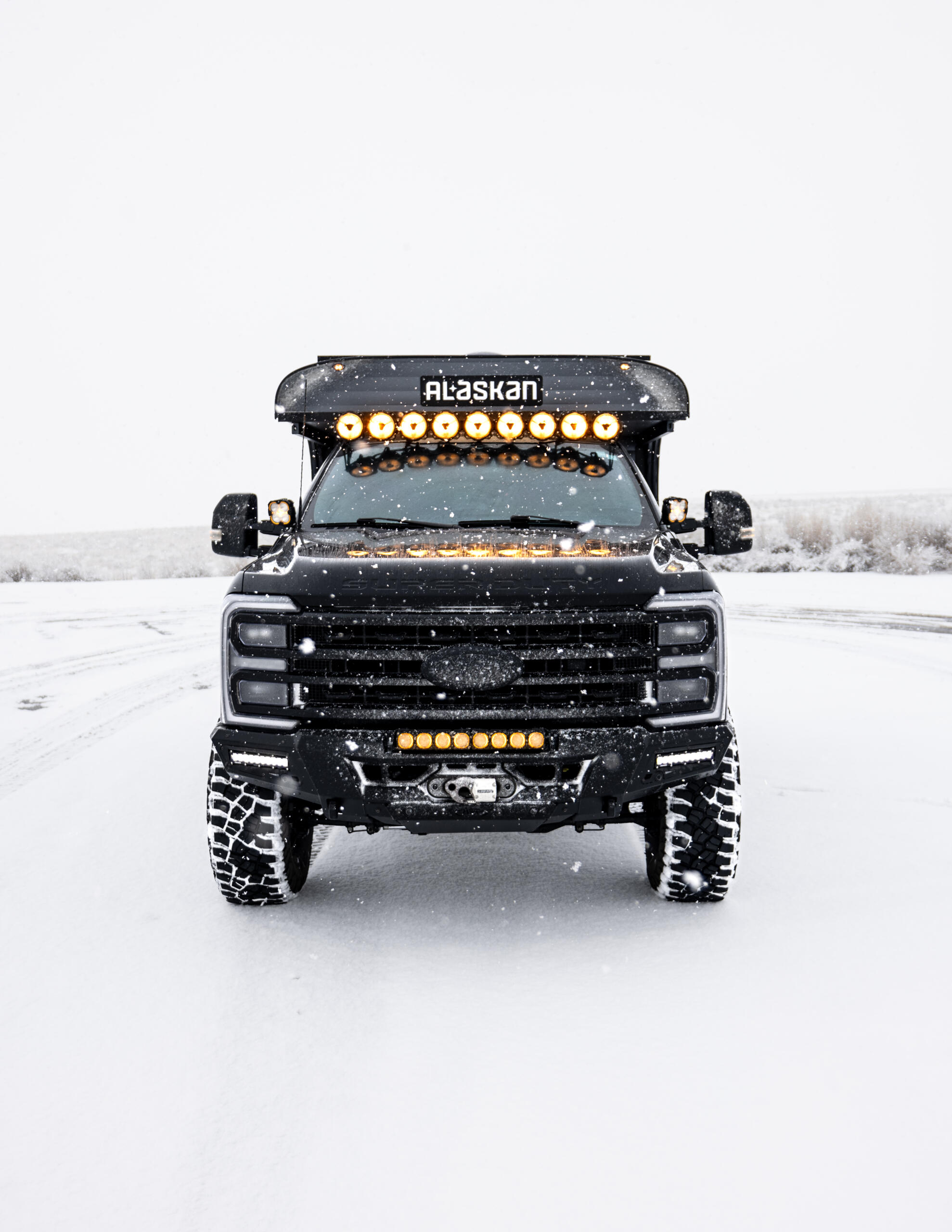
Less drag means the truck works less to maintain speed. You see it at the pump, especially on highways where taller campers create more resistance and strain over time.
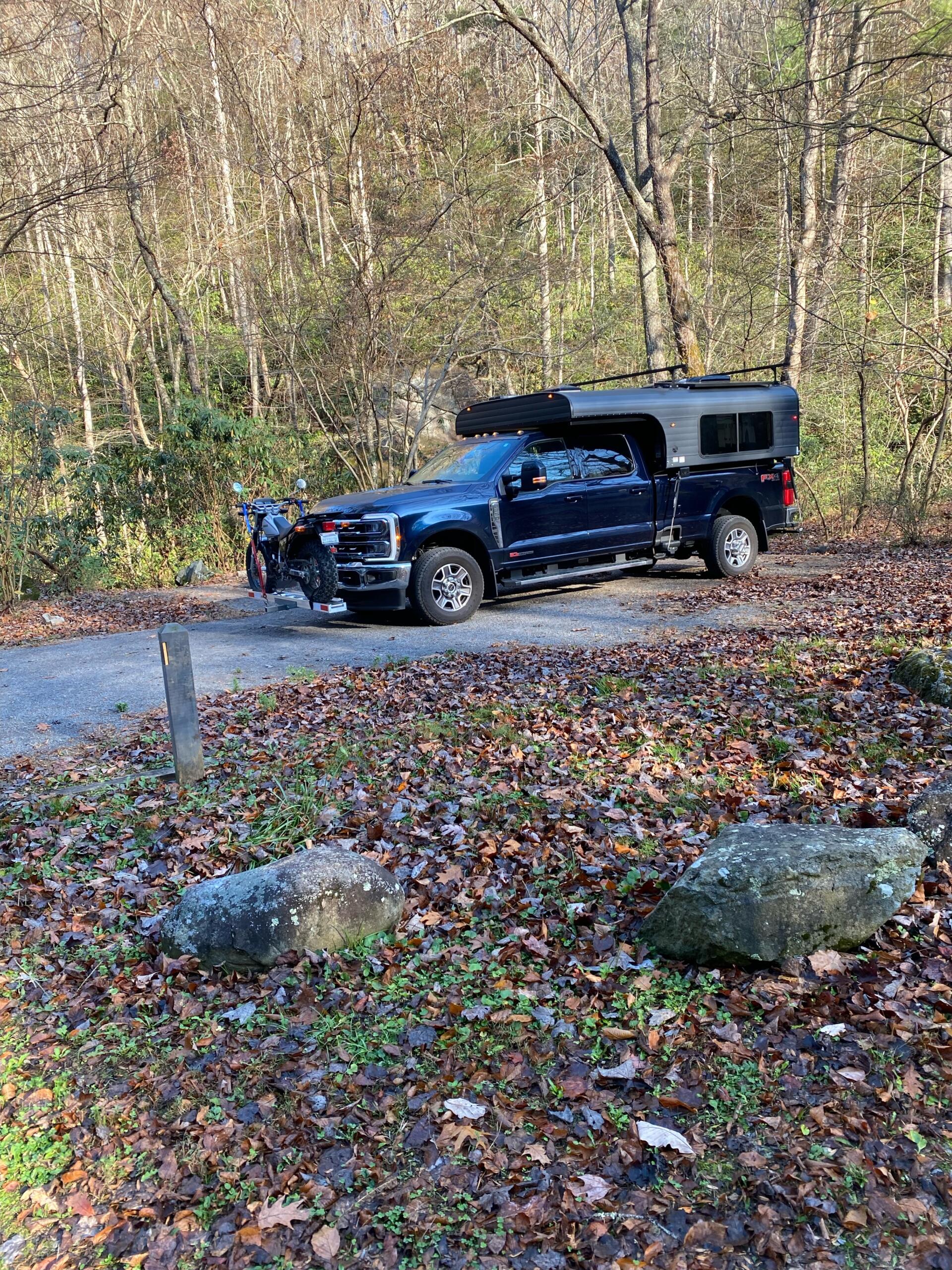
Gas stations, grocery stores, drive-thrus, parking lots. You’re not scanning for clearance or planning your exit before you even pull in. You just use the truck like you normally would.
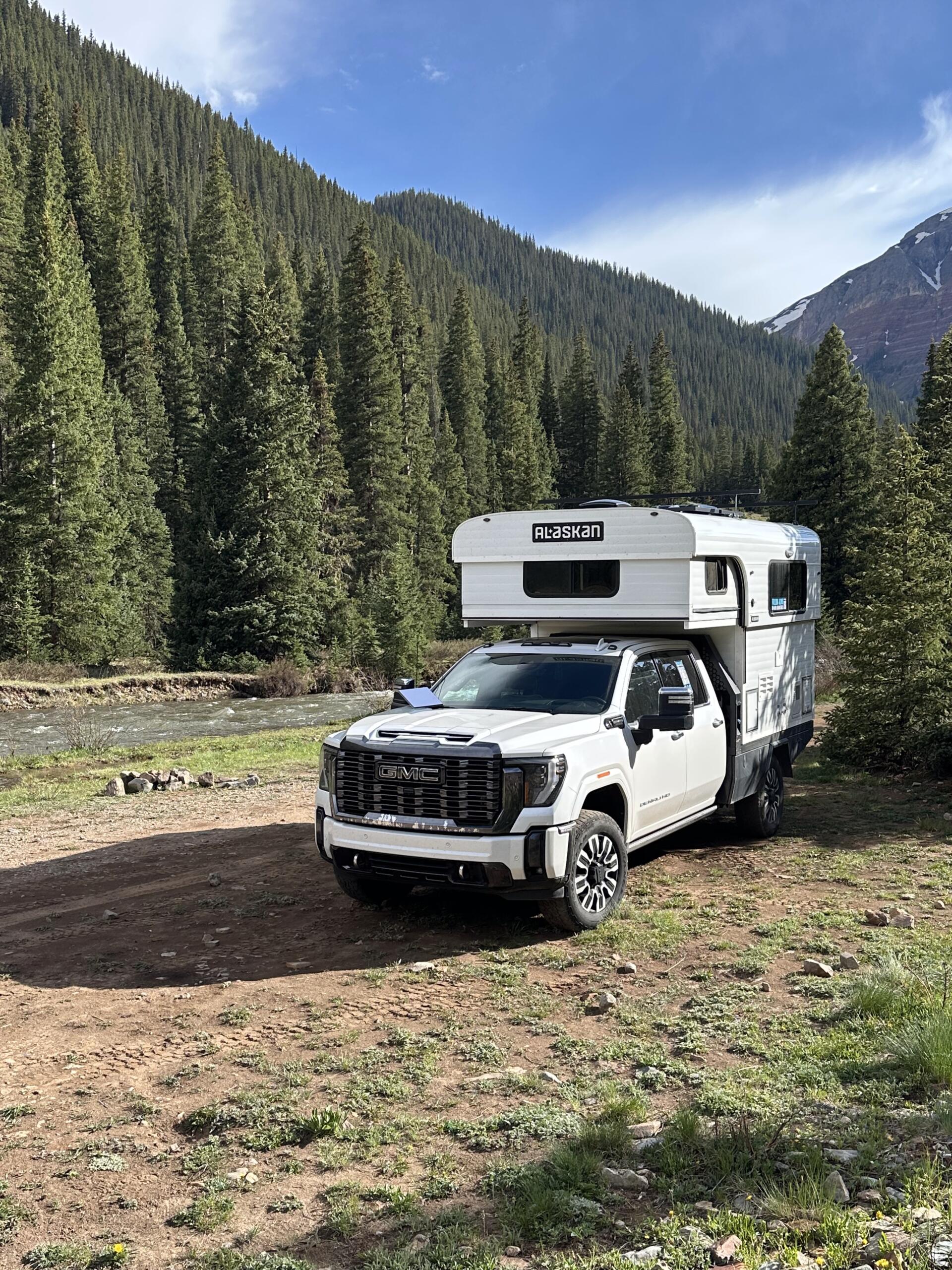
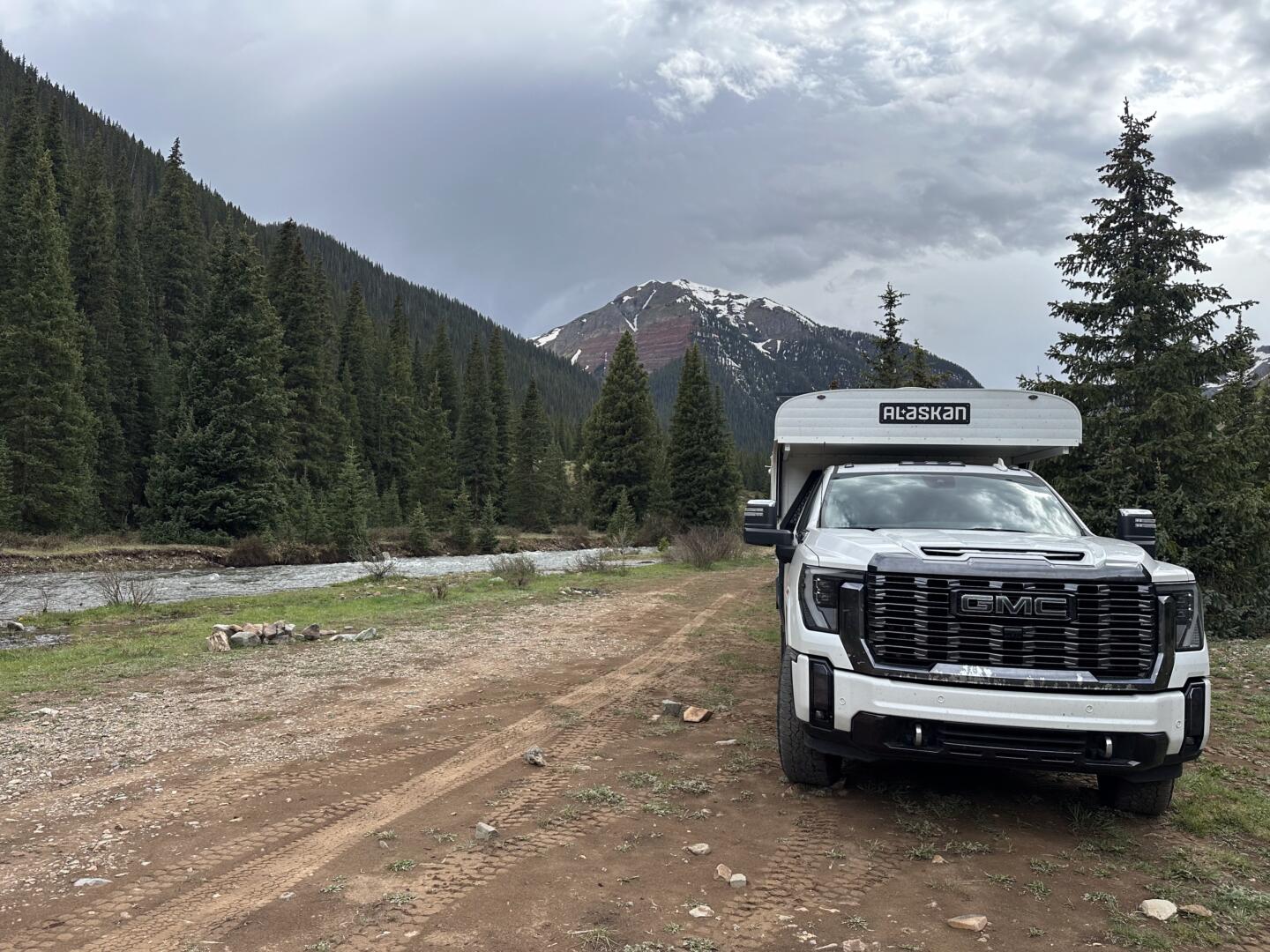
Lower height makes tight access points more manageable. Branches, overhangs, and uneven entry points become less of a concern, opening up more places without adding risk.

Long drives feel steady and predictable. The lower profile reduces wind resistance and keeps steering consistent at speed, so you’re not constantly correcting or fighting crosswinds over long stretches.
Less drag means the truck works less to maintain speed. You see it at the pump, especially on highways where taller campers create more resistance and strain over time.
Gas stations, grocery stores, drive-thrus, parking lots. You’re not scanning for clearance or planning your exit before you even pull in. You just use the truck like you normally would.
Lower height makes tight access points more manageable. Branches, overhangs, and uneven entry points become less of a concern, opening up more places without adding risk.
How much shorter is an Alaskan camper on the road?
With the roof down, Alaskan campers sit significantly lower than most fixed-height campers. Exact height depends on your truck and setup, but the reduced profile improves handling, clearance, and everyday usability.
Does the lower profile actually improve handling?
Yes. Keeping weight lower in the bed improves stability, especially in crosswinds, turns, and uneven conditions. Steering stays more consistent, and the truck requires less constant correction over long drives.
Will I get better gas mileage with a low-profile camper?
In most cases, yes, especially at highway speeds where wind resistance has the biggest impact. A lower profile reduces drag, which helps the truck maintain speed with less effort.
Can I fit in a standard garage?
Often, yes. Final height depends on your truck, tires, and suspension, but the lower travel height makes garage storage and covered parking more realistic than with taller campers. Always measure your specific setup.
Do I have to raise and lower the roof every time I camp?
Yes. The roof is lowered for travel and raised at camp to provide full standing height. The process is straightforward and becomes part of the normal setup routine.
How does low profile help on backroads and tight access points?
Lower height reduces contact with branches and overhead obstacles, which helps protect the camper and makes it easier to navigate narrow or overgrown routes.
Will it feel different to drive compared to a traditional camper?
Yes. Most drivers notice a more stable, predictable feel right away, especially at speed and in wind. It behaves more like a truck than a tall, top-heavy load.

It was always ready to do the job—whether that was holding heat in -20°, hauling 400 pounds of halibut, or giving our boys a place to learn in the middle of nowhere. It never asked much, and it never let us down. That camper did its duty—and then some!