Most Truck Campers Are Built for Campsites, Not the Way People Travel
April 24, 2026
What works at camp often works against you on the road.
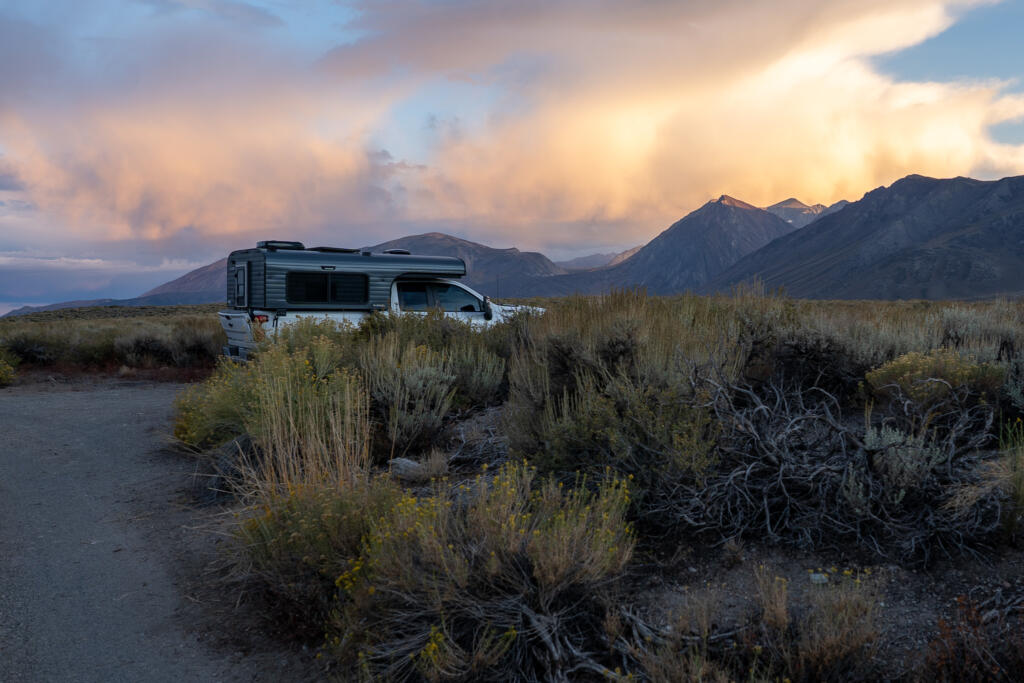
There’s an old argument in hiking gear about boots. Buy the ones that look great in the store and you’ll be miserable by mile three. Buy the ones built for actual movement, with proper weight distribution, sole flex, and breathability, and you forget you’re wearing them entirely. The best gear disappears into the activity. The worst gear becomes the activity.
A lot of truck campers are beautiful boots that destroy your feet.
They’re designed for the moment of arrival. Parked, leveled, door open, everything in its place. Walk through one at a show and it makes perfect sense. The layout works. The storage feels smart. The light hits just right through the windows. But truck camping isn’t a show. It moves. And the moment you treat your camper as part of a journey rather than the reward at the end of one, you start to notice where the design assumptions were made for a different kind of traveler.
This matters more now than it used to. The classic campsite trip, book a spot, arrive Thursday, leave Sunday, still exists, but it’s no longer the dominant pattern for a lot of people who buy truck campers. What’s replaced it looks more like this: you drive until somewhere looks interesting, stop, spend the night, and decide in the morning whether to stay or keep moving based on weather, a tip from someone you met, or nothing more than a feeling. That rhythm demands a camper that functions as part of the drive. Most aren’t built that way, and the cost shows up in places that are easy to miss until you’ve already bought one.
The physics problem nobody puts in the brochure
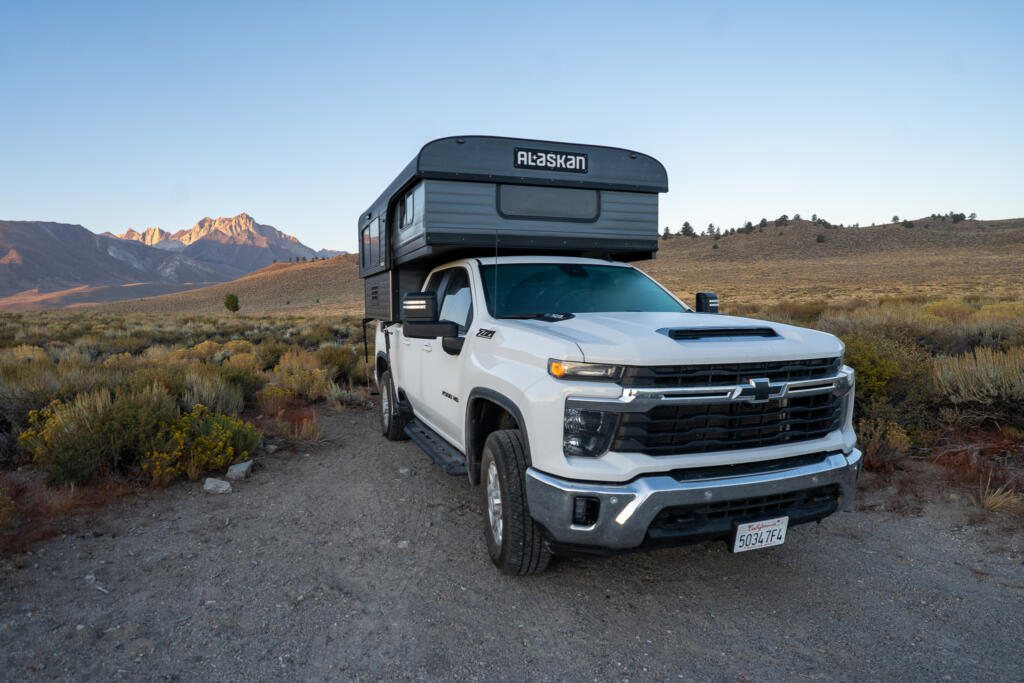
Height is the first place design assumptions collide with reality. A taller camper gives you more interior space when parked, which sounds like a good trade until you’ve spent a full day driving in crosswind or threading a forest road that narrows without warning. Aerodynamic drag increases with frontal area. More height creates more surface for the air to push against, which leads to higher fuel consumption, more steering correction, and greater fatigue over time. On their own, none of these factors feel dramatic, but over the course of a long drive they add up, shaping whether you arrive ready to keep going or ready to call it for the day.
Weight works the same way, less visibly. The question isn’t just whether your truck can carry the load. It’s how the whole setup behaves while you’re driving it. Heavier builds compress your margin on half-ton and lighter three-quarter-ton trucks, change your braking distances, and have a way of eventually nudging people toward replacing vehicles they hadn’t planned to replace. You don’t need a spec sheet to notice it, because it shows up in the moments that matter most, like braking on a downhill grade, merging into fast-moving traffic, or sitting in the cab after a long stretch and realizing you’re more worn out than the miles alone would suggest.
Then there’s setup friction, which is easy to overlook but often has the biggest impact on how you travel. When moving in and out of camp requires a sequence of steps, unhooking gear, running through a checklist, or resetting systems before you can leave, it quietly changes your behavior. You drive a little farther before stopping, skip the detour that looked worth it, or stay longer than planned because getting back on the road feels like effort. Over time, those small decisions add up, and the design of the camper starts shaping the trip more than you intended.
What most layouts quietly assume
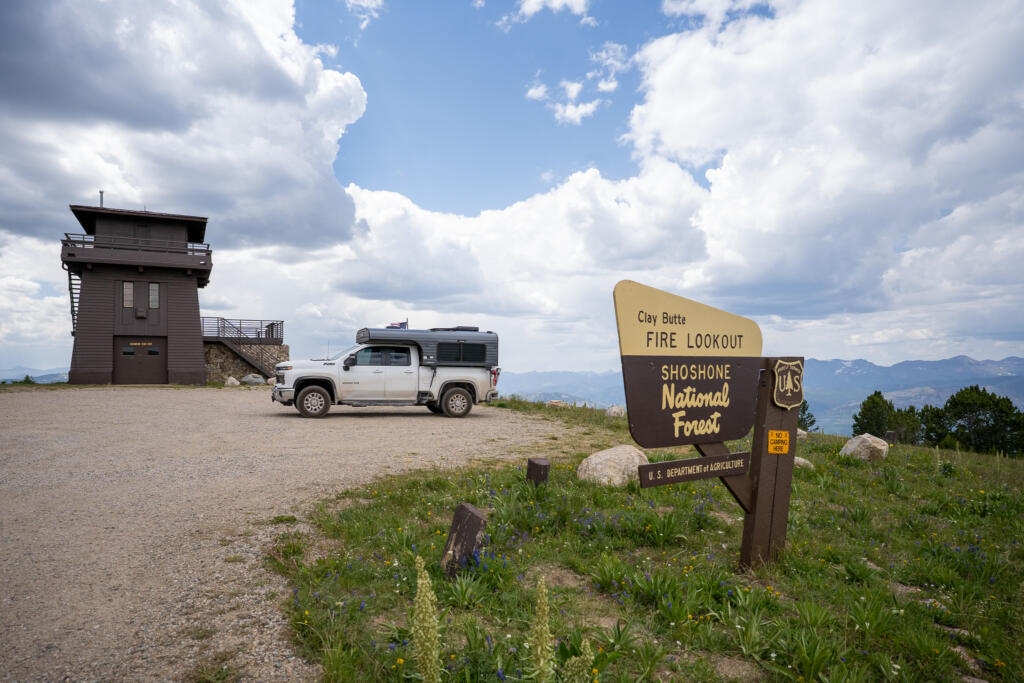
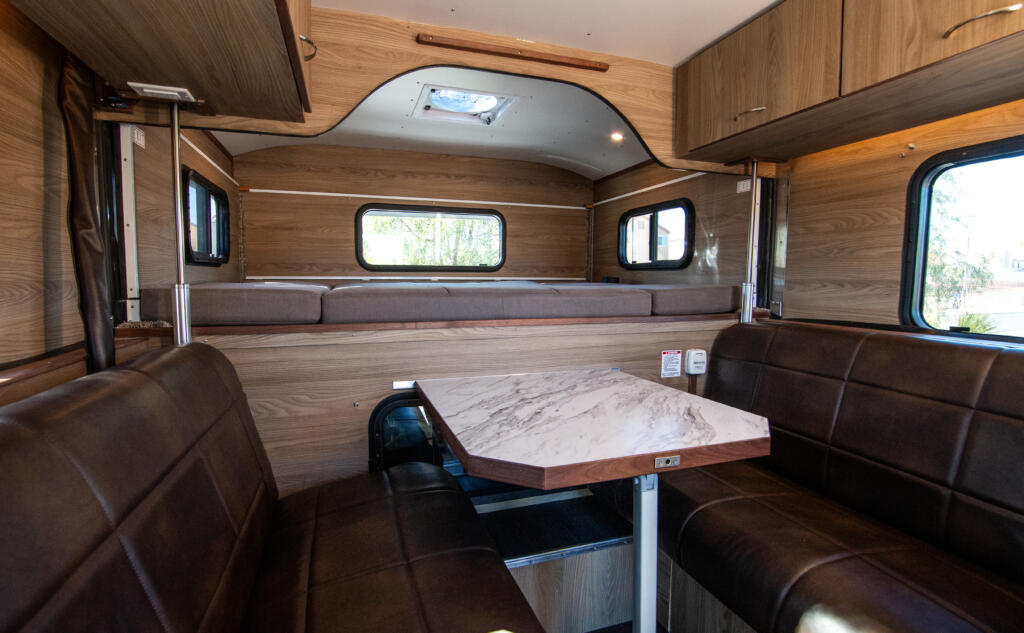
Spend enough time walking through different campers and a pattern starts to emerge. Many interiors are designed around the idea that once you arrive, you’re going to stay put for a while. Storage is organized for settling in, not constantly transitioning. Features feel thoughtful and even impressive after an hour or two of use, but they tend to require a bit more time and attention when it’s time to pack up and move on.
That isn’t a flaw so much as a perspective. It assumes your trip has a center, that you’ll arrive, set up, and let the camper become your base for a few days. If that’s how you travel, these layouts do exactly what they’re meant to do and do it well.
The mismatch shows up when your travel pattern looks different. More trips now are built around movement, with shorter stops, later decisions, and a willingness to change plans as conditions shift. In that rhythm, the value of a layout isn’t just how comfortable it feels once everything is dialed in, but how easily it transitions between parked and ready without asking much from you each time.
That’s where the divide becomes clear. Some layouts are built to reward staying put, while others are better suited to frequent movement, and most don’t fully reconcile the two. When your trip leans toward flexibility, you begin to notice which approach you’re living with, not because anything is failing, but because one design quietly supports the way you move and the other subtly resists it.
What this actually means for your trip
Back to the boots analogy, which we’ve now committed to more than it probably deserves. The right pair disappears after a few miles. The wrong pair makes every step something you think about.
Same idea here. When a camper is built around movement, you stop when something looks interesting instead of when it’s convenient. You keep going at the end of the day because the drive hasn’t worn you down. You move again in the morning without thinking twice. Over a few days, that adds up to more ground covered, more flexibility, and fewer small decisions getting in the way.
That’s the part most buying decisions miss.
People usually start with where they plan to camp, which sounds logical but tends to steer the decision toward features instead of how those features actually hold up over a trip. A better place to start is how your days are likely to unfold. If you tend to settle in for a few days, space and setup comfort will matter most. If you move more often, then how the camper drives, how quickly it transitions, and how little it asks of you each time you move start to matter a lot more.
Most people lean one way without realizing it until they’ve lived with it.
Get that part right and everything else gets easier. Get it wrong and you end up with a really nice-looking pair of boots you regret halfway through the trip, which, at this point, feels like a fitting way to end the analogy before it completely falls apart.
Related Topics
- How to Read a Payload Sticker
- Half-Ton Truck Camper Guide
- Truck Camper Stability
- Truck Camper MPG
- Short Bed vs. Long Bed Trucks
- Condensation & Moisture Management in Truck Campers
- 3 Days. No Hookups. No Problem.
- Downsizing From a Fifth Wheel to a Truck Camper
- Top 5 Mistakes Buyers Make When Choosing a Truck Camper