Small Campers for Big Life Phases
December 27, 2025
Most campers are designed around one assumption: more space equals better trips.
Most campers are built around a simple idea: more space makes for better trips. On paper, that makes sense. In practice, life has a way of complicating it. Schedules tighten. Kids grow faster than expected. Fuel costs change. Roads narrow. Campsites get smaller. The campers that keep working through all of that are rarely the biggest ones. They’re the ones that adapt quietly as life shifts around them.
Smaller, capable truck campers work not because they limit space, but because they reduce friction. Setup is quicker. Access is easier. Fewer decisions hinge on where the rig can fit or what it needs to function. The camper stops dictating the plan and starts supporting it. That reduction in friction is what keeps trips happening, because friction is the thing that turns a good idea into “maybe next time,” and eventually into not going at all.
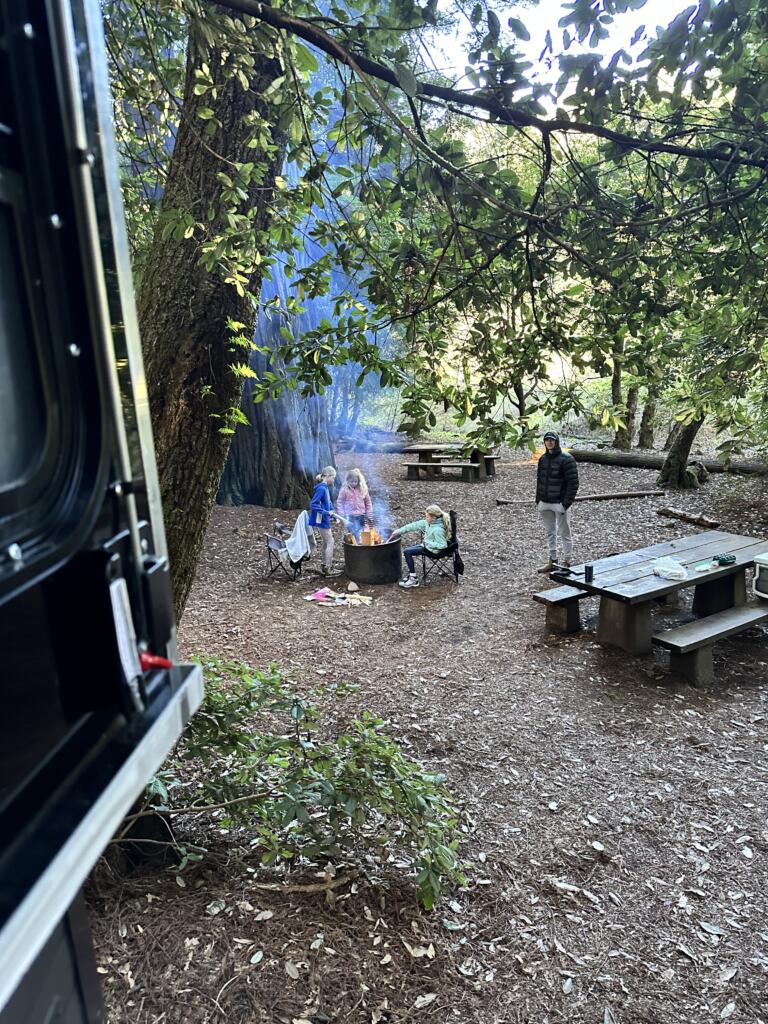
Phase 1: The busy years
When time is scarce, simplicity matters more than square footage. Data from the U.S. Bureau of Transportation Statistics shows that most leisure travel in the U.S. happens in short bursts. Weekend trips dominate. That reality punishes complicated rigs fast. When trips are short, every extra step shows up as lost time.
What creates friction on short trips:
- Long setup and teardown routines
- Trailer hitching and backing
- Limited campsite and parking options
- More rules about where you can and can’t fit
Why compact truck campers work better here:
- No trailer means no hitching, backing, or trailer-only restrictions
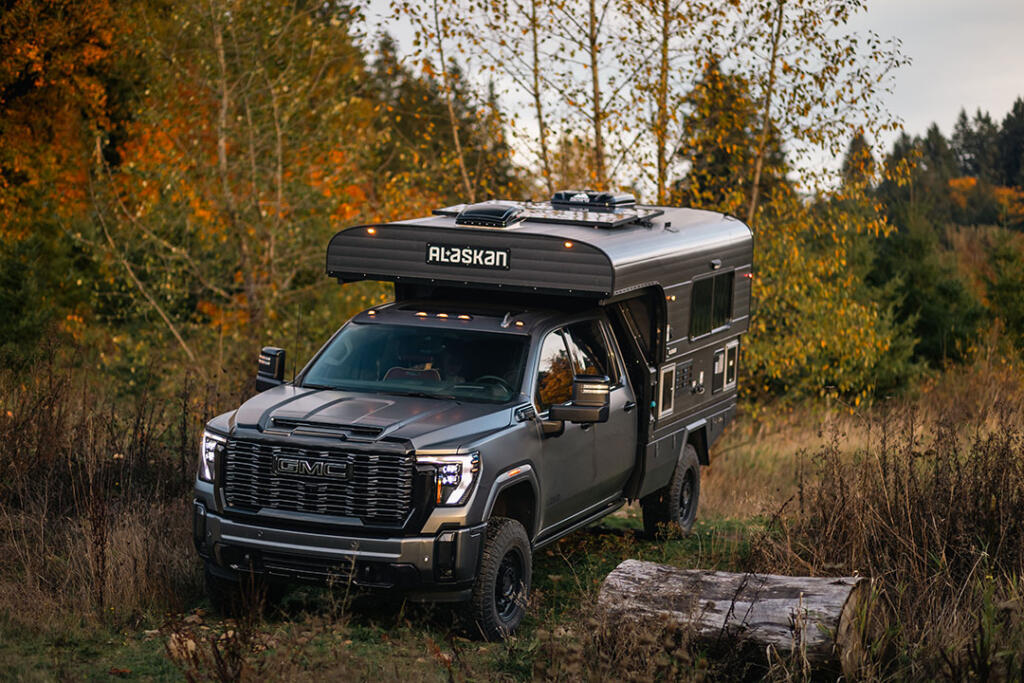
- A footprint close to a standard pickup opens access to trailheads, dispersed sites, and urban-adjacent stops
- Fast setup keeps arrival and departure from dominating the trip
This matches guidance from the National Park Service, which notes that many developed campgrounds—especially older or more remote ones—have size limits that favor smaller RVs and truck campers. For families juggling sports schedules, weather swings, and compressed weekends, the camper stops being about “camping” and starts being about margin:
- A warm, dry place between activities
- A reliable fallback when plans change
- A way to leave early or come home late without turning the trip into work
The goal isn’t to recreate a house on wheels. It’s to shorten the gap between arrival and usefulness. That’s what keeps trips happening when life is full.
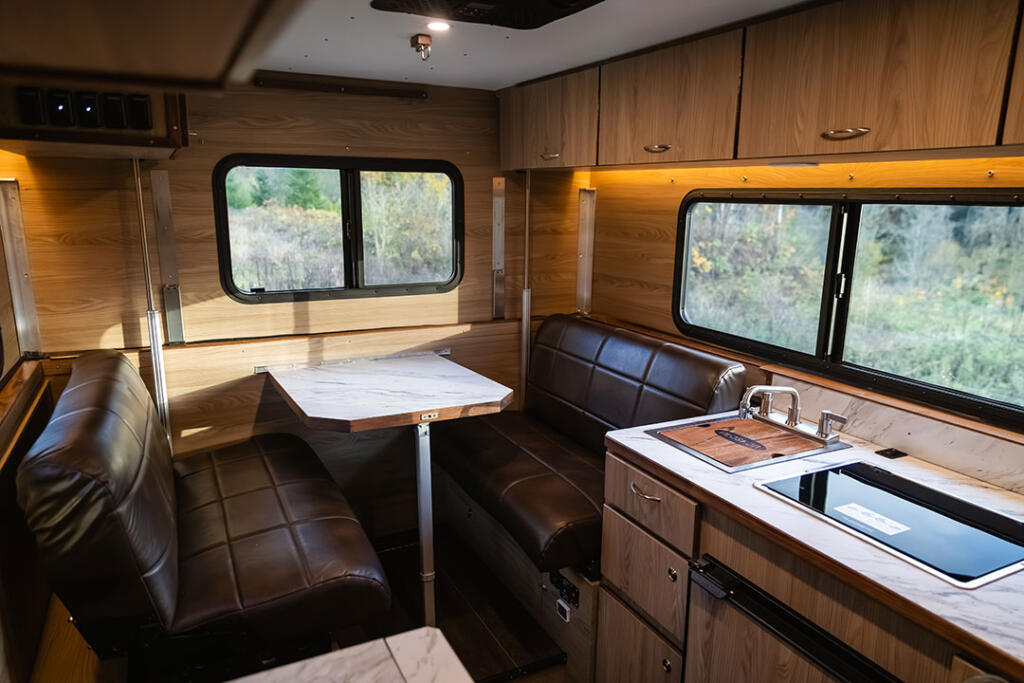
Phase 2: The growing years
As kids get older, camping shifts from supervision to participation. Gear multiplies. Bikes replace strollers. Friends come along. At the same time, tolerance for clutter drops fast. What matters most in this phase isn’t total interior volume. It’s layout efficiency.
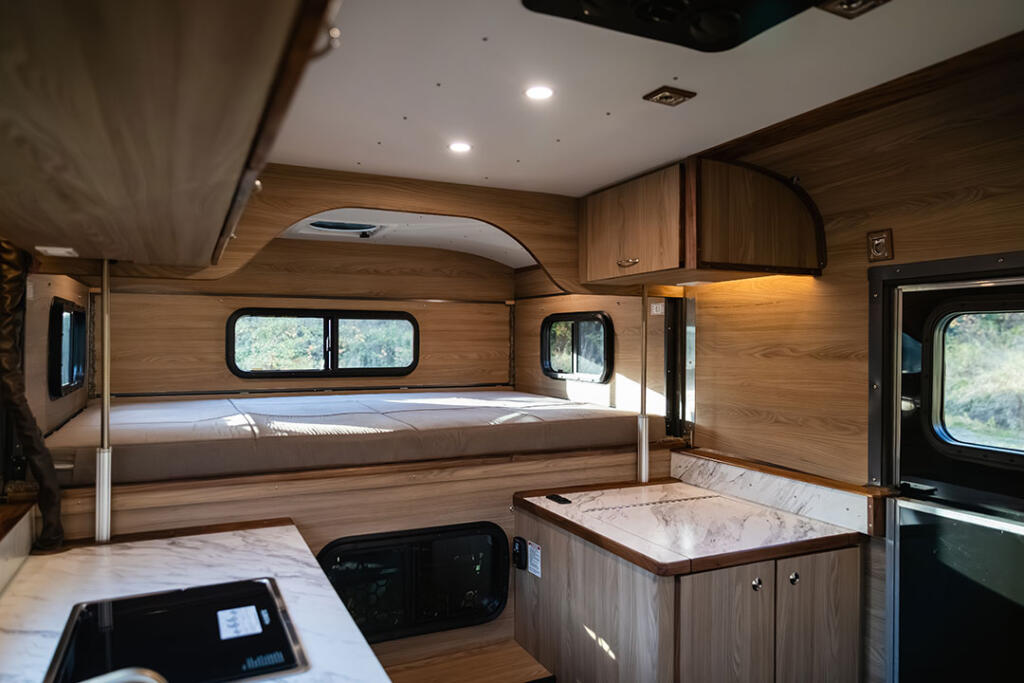
Industry research from RVIA and long-standing RV design best practices consistently show that usable space matters more than raw square footage. Dead zones, oversized slide-outs, and decorative features often reduce functional living area while increasing maintenance and failure points. Smaller campers with intentional layouts tend to age better because:
- Storage is designed for frequent access, not one-time packing.
- Systems are simpler and more intuitive, allowing multiple people to help without conflict.
- Cleaning and reset time stays low, which directly affects how often the camper gets used.
This phase also highlights the advantage of truck-based mobility. According to AAA, vehicles with lower overall length and better weight distribution are easier to handle on secondary roads and in poor weather conditions (okay, we didn’t need AAA for that). A low-profile camper riding within the truck’s footprint reduces driver fatigue and improves confidence, especially on mountain passes, narrow forest roads, and long highway days. You’re not upgrading for luxury at this stage. You’re upgrading for durability, predictability, and sanity.
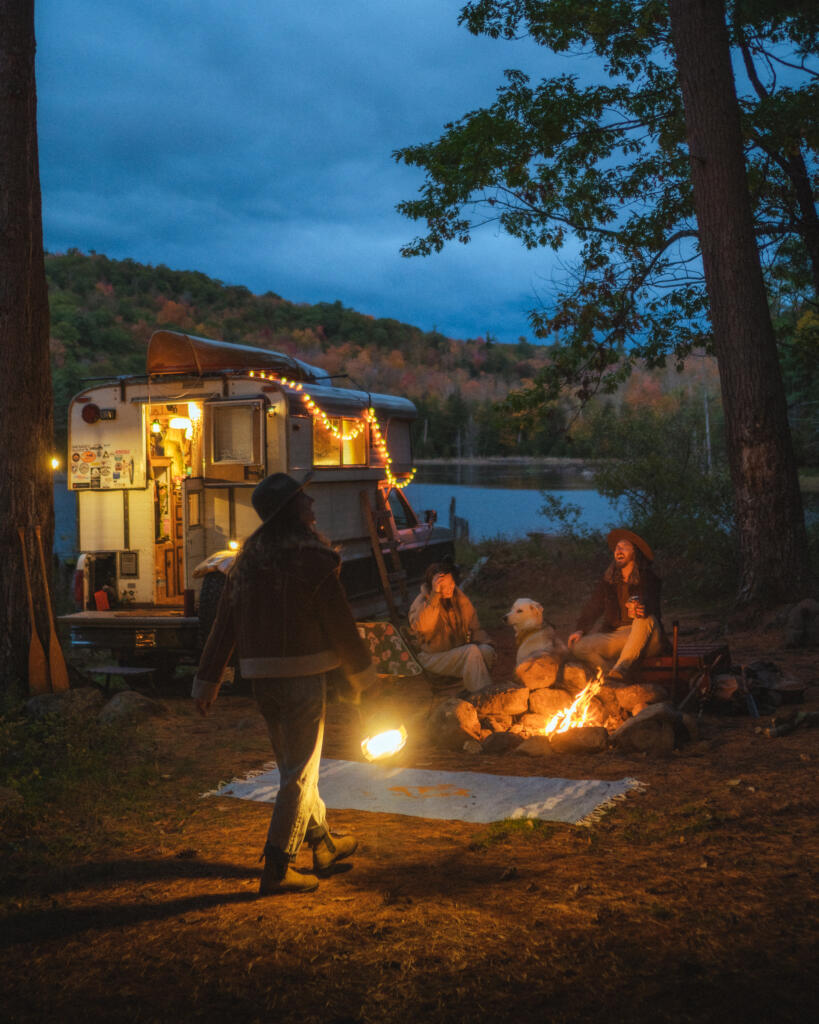
Phase 3: The pivot
Eventually, calendars open back up. Kids leave. Trips get longer. Destinations get quieter. Travel becomes less about squeezing in time and more about staying put. This is where many families assume they need to size up.
Often, they don’t.
Long-term travel research from RV owner surveys consistently shows that comfort over time is driven more by insulation quality, thermal control, and drivability than by interior square footage. Solid walls, consistent heating, and reduced road noise matter far more on day ten than an extra foot of floor space. Smaller hard-sided campers excel here because they’re designed to perform in a wider range of conditions:
- Better insulation reduces energy demand and improves four-season usability.
- Lower profile improves fuel efficiency and stability, particularly in crosswinds.
- Simpler systems reduce maintenance fatigue over longer trips.
This is also where the concept of adaptability becomes tangible. A camper that once supported weekend chaos can become a quiet basecamp for longer stays without needing to change its core function. The use evolves. The design holds. That’s not downsizing. That’s longevity.
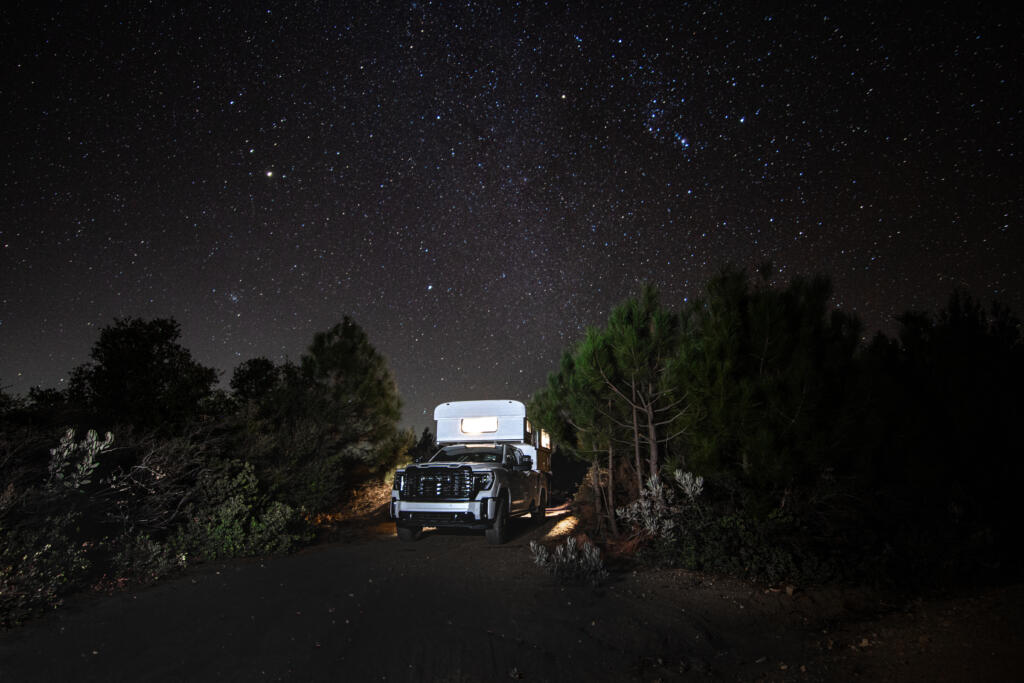
Why small campers work long-term
From an engineering and ownership perspective, complexity is the enemy of durability. Every added system introduces:
- Additional weight
- More maintenance points
- Higher failure probability
- Greater cost over time
Smaller campers tend to avoid overbuilding. They focus on systems that get used every trip. According to long-term RV ownership data compiled by independent service providers, simpler rigs consistently show lower lifetime maintenance costs and higher owner satisfaction beyond the five-year mark.
There’s also a behavioral component. Smaller rigs encourage better travel habits:
- Faster setup means fewer skipped trips.
- Less storage limits gear creep.
- Simpler systems reduce decision fatigue.
Behavior matters. A camper that feels easy gets used more. One that feels like a project slowly becomes a burden.
Safety, handling, and real-world travel
From a safety standpoint, compact truck campers align well with best practices in vehicle handling and load management.
Transportation safety research emphasizes the importance of maintaining a low center of gravity, balanced axle loading, and predictable braking behavior. Truck campers that stay within manufacturer payload ratings and maintain a low road profile perform better in emergency maneuvers and adverse conditions.
Smaller campers also reduce exposure to common RV travel risks:
- Fewer blind spots compared to longer towable rigs
- Better maneuverability in tight or undeveloped areas
- Reduced wind sail effect on open highways
These factors don’t just affect safety. They affect driver confidence. And confidence directly impacts how far people are willing to travel and where they’re comfortable going.
Generational value
One of the least discussed advantages of compact, well-built campers is their ability to hold relevance across decades. Large rigs are often designed around a narrow lifestyle window. When that window closes, resale value drops and utility disappears. Smaller campers with durable construction, flexible layouts, and restrained design tend to age more gracefully. They don’t lock owners into a specific phase of life. They move with it.
That’s why many long-term owners don’t replace their campers as life changes. They simply use them differently.

The takeaway
Big trips don’t require big campers. They require designs that respect time, reduce friction, and perform consistently across changing conditions. Smaller campers work because they’re honest. They don’t promise everything. They focus on what actually matters: reliability, ease, and adaptability over time. The best ones don’t ask you to build your life around them. They fit into the life you already have, and the one that’s coming next.
And yes, we know we’re being a little heavy-handed here. We don’t usually pitch this hard on The Field Notes. But after finishing a full messaging architecture and taking a hard look at why Alaskans work the way they do, it’s been difficult to keep it bottled up. That work has sharpened how we talk, how we design, and how we show up every day in the shop and with owners. It’s clarified what we build, who we build it for, and what we refuse to compromise on.
So consider this a glimpse into that process. Not a sales pitch. A clearer expression of what’s been guiding us all along.