Some people slow down. Pat Gordon bought a camper and followed the birds.
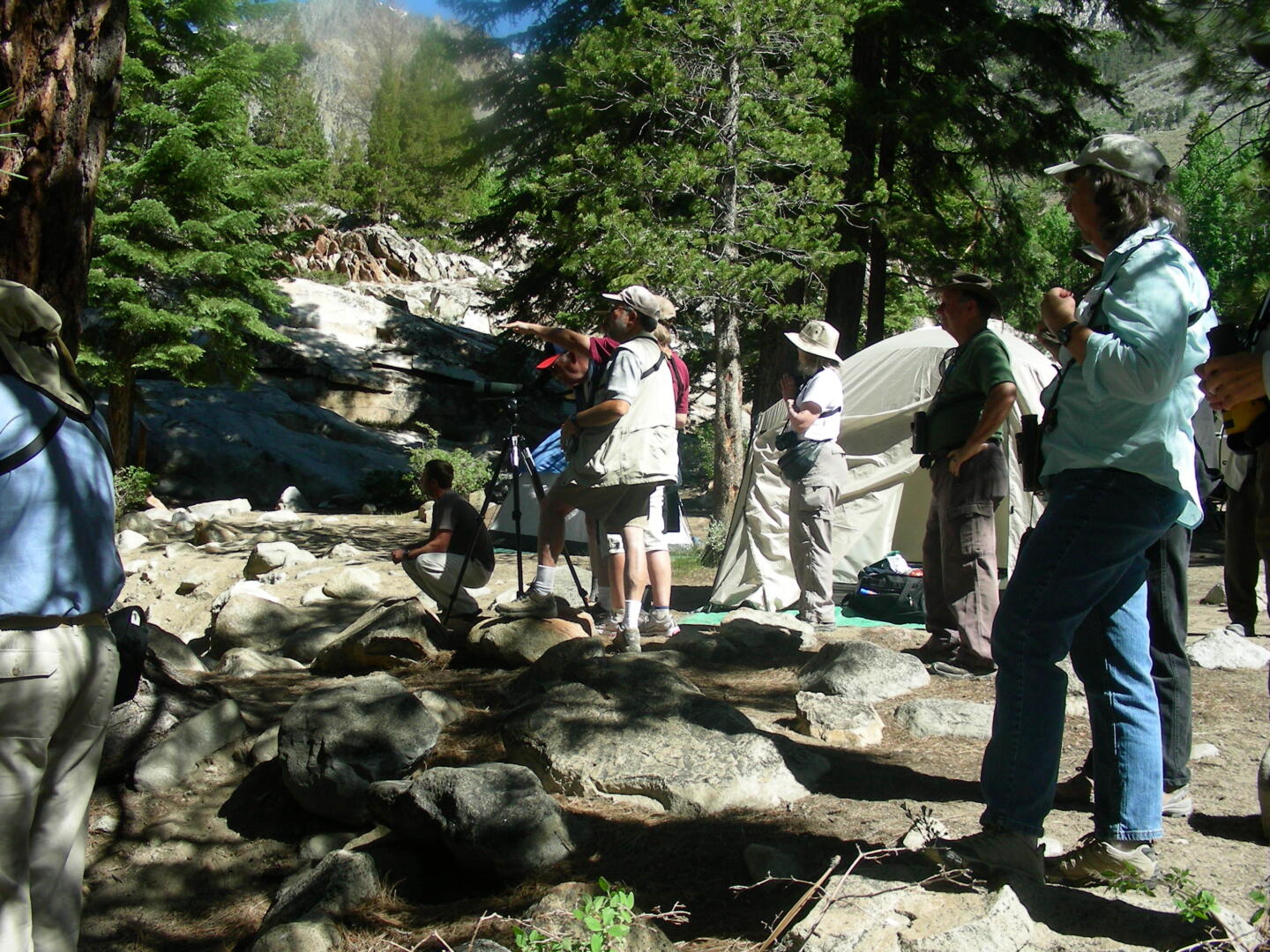
Pat Gordon has been watching birds since she was nine years old, teaching people to notice them for decades, and spending Friday mornings with senior birders around the Bay Area because there is always more to see when you know where to look. Her life with her husband, Phil, was built around that same curiosity: birding trips, campgrounds, classrooms, bird counts, national parks, rough roads, and a shared belief that people, especially children, protect places better once they have had the chance to know them.
Still, one bird now carries a different weight.
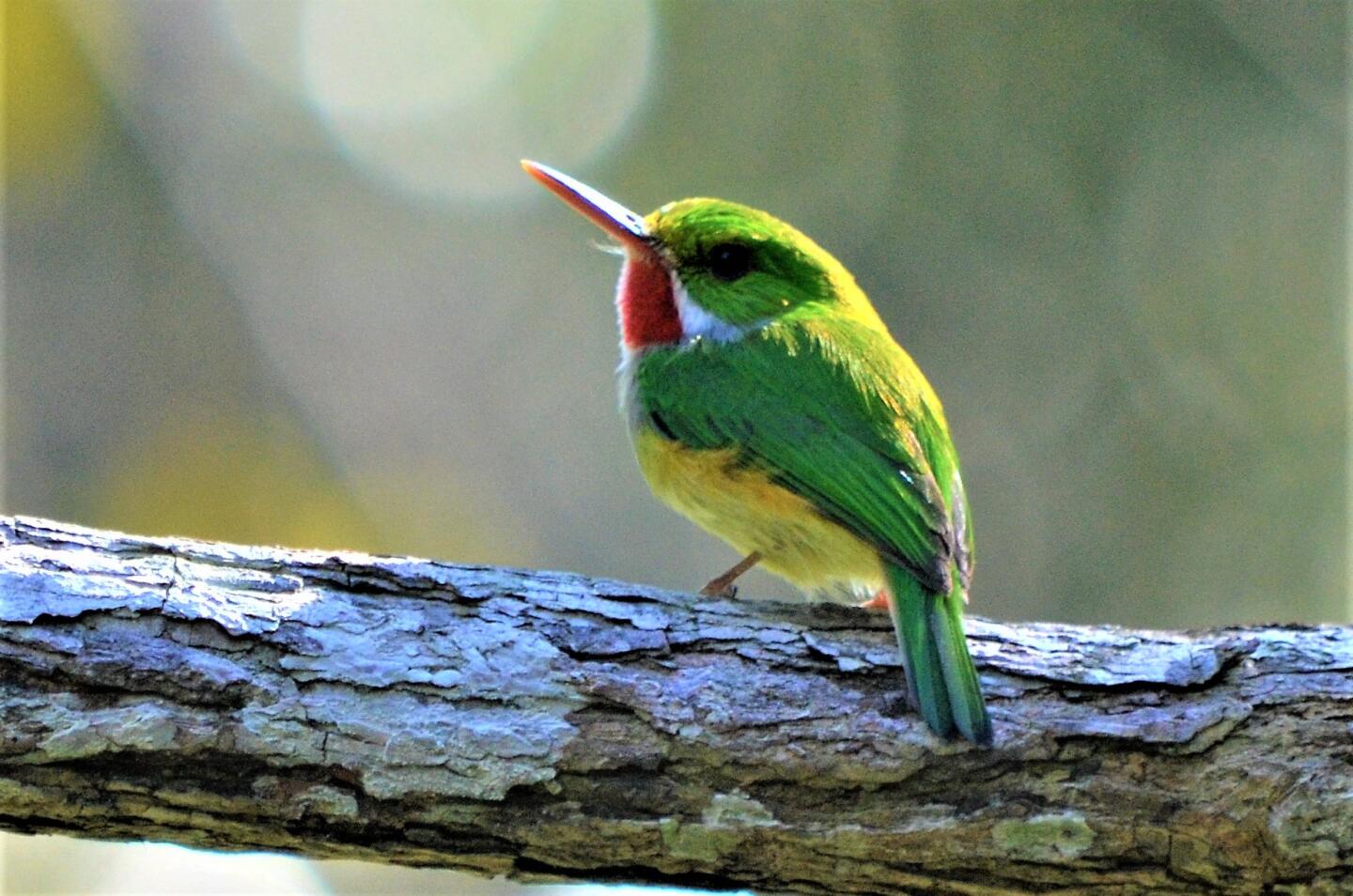
Ohlone is a wild-hatched California condor adopted by Pat’s Audubon chapter in Phil’s memory and named after the Indigenous people of the Bay Area. Pat later learned the bird had hatched the same day they said goodbye to Phil.
The timing was almost too much to explain. For Pat, though, remembering Phil did not mean giving up the life they had built outside.
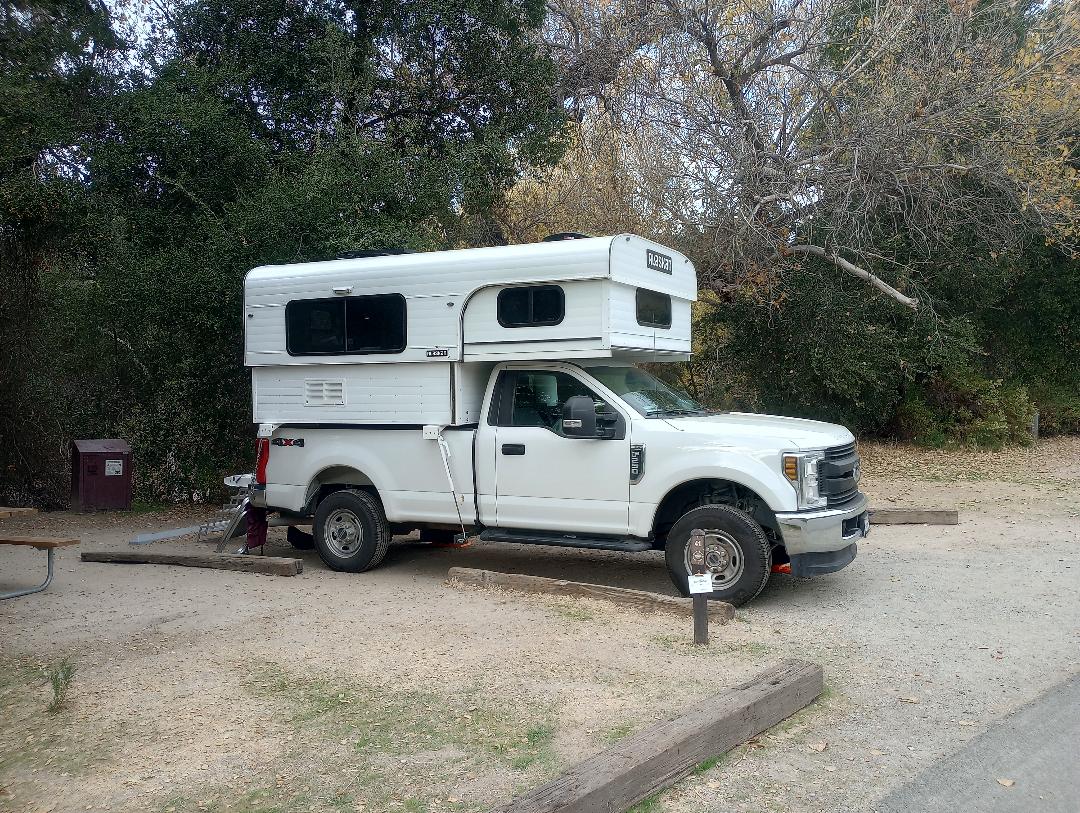
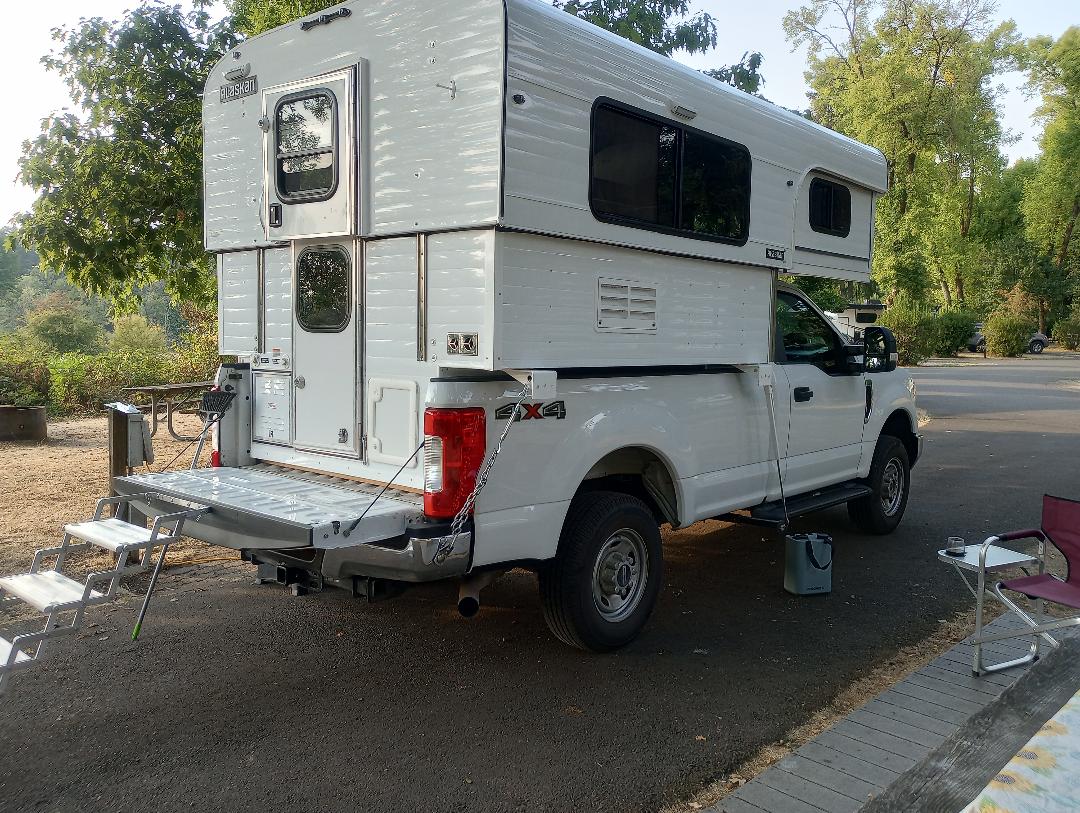
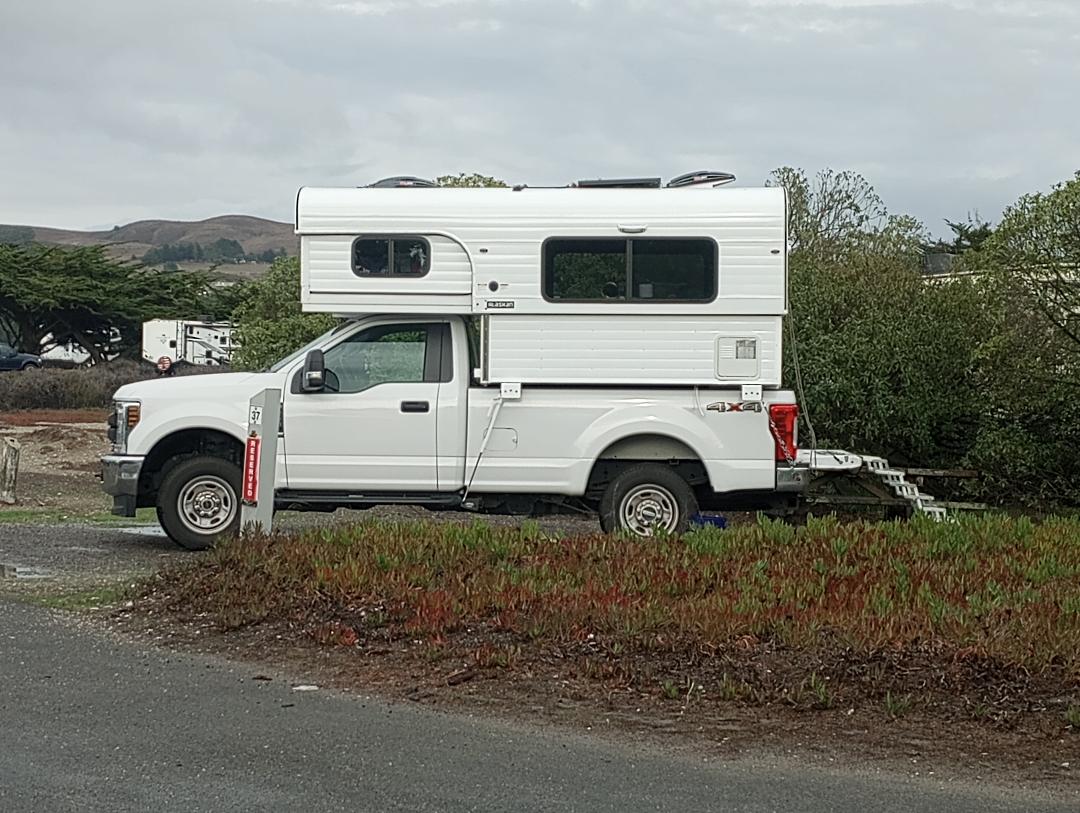
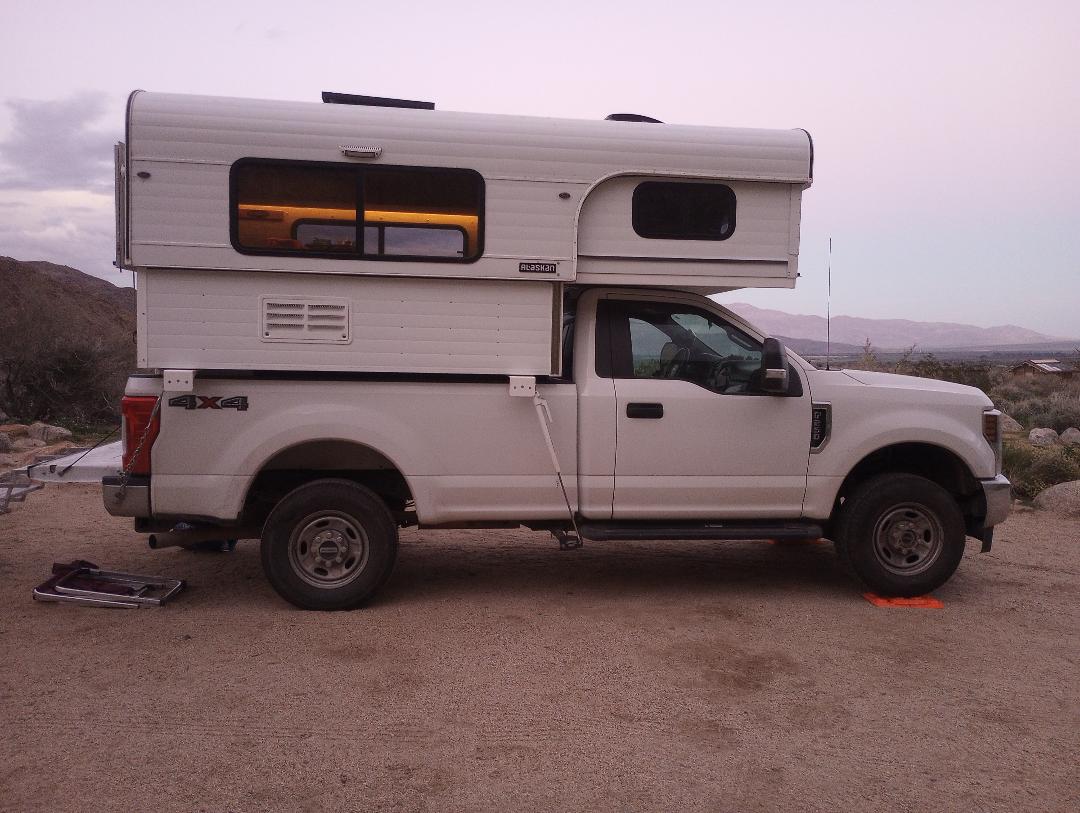
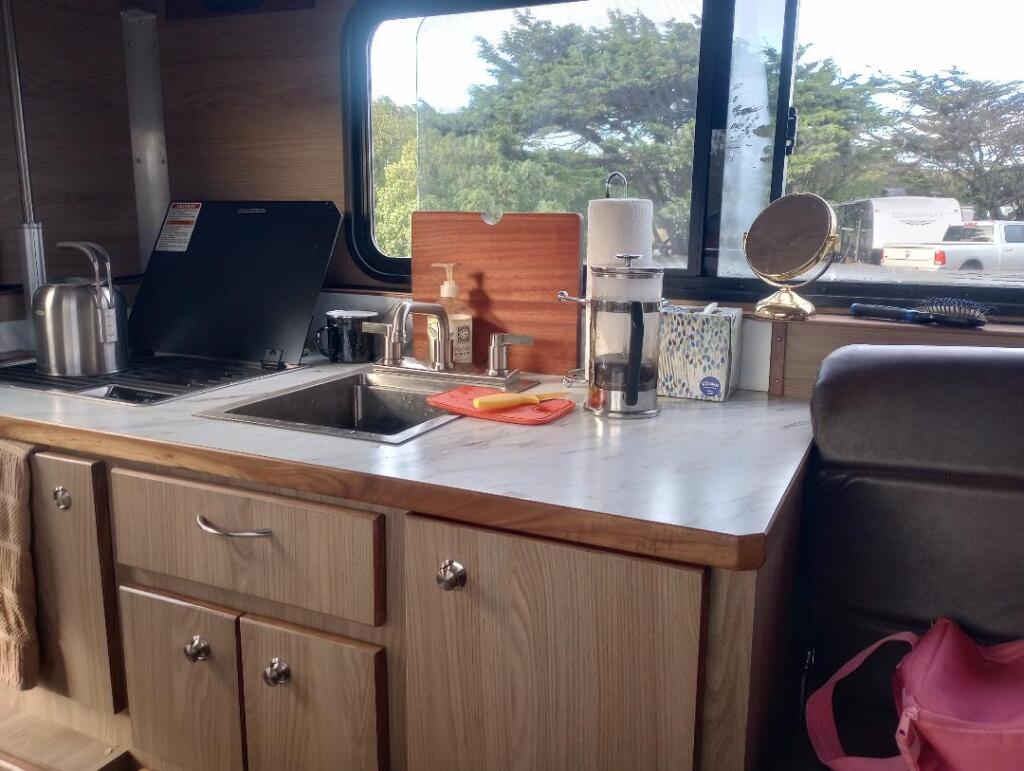
Last year, Pat bought an Alaskan because the Lance she and Phil had traveled in for years had become too much camper for one person. She needed something easier to drive, simple to set up, and secure enough that her kids could feel better about her traveling alone. Mostly, she needed a camper that made the next trip feel possible.
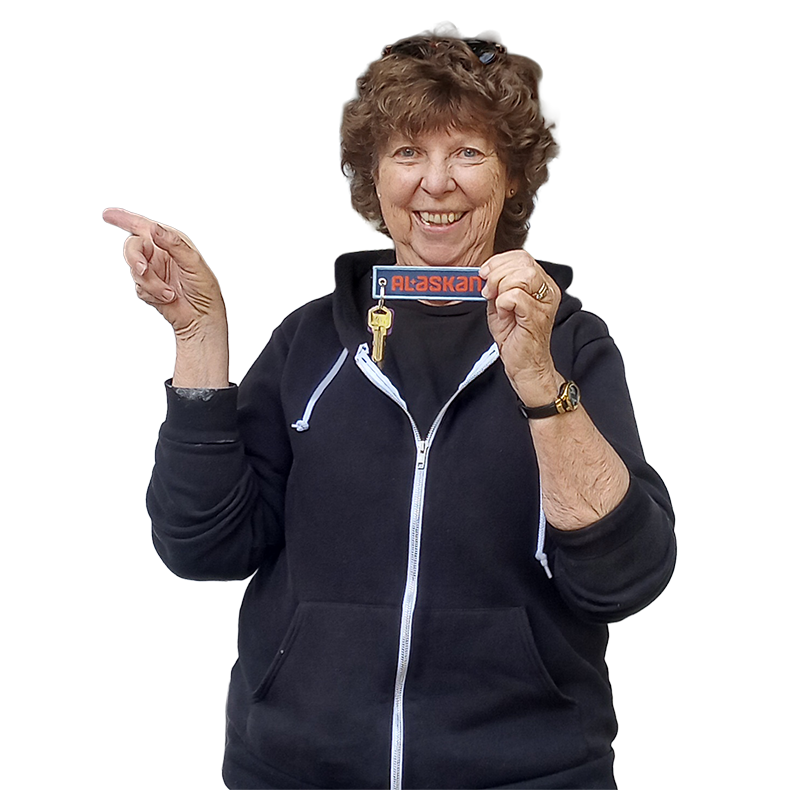
Meet Pat
Pat lives in Hayward, California, in the hills south of Oakland, down a steep driveway on a creek where the backyard bird list fills up fast. For 35 years, Pat worked as a research chemist, including time with Pepsi and Del Monte. At 50, she left corporate life for teaching, first bringing hands-on science to elementary students before moving to high school. She retired in 2010, then filled her time with family, Audubon work, conservation projects, bird counts, and enough volunteering to make retirement feel mostly theoretical.
Phil was part of nearly all of it. A former Yosemite park ranger, teacher, naturalist, paleontologist, and respected California birder, he taught Bay Area bird classes for years and had the kind of gentle influence people carried with them long after the class ended. Pat describes him simply as “a kind human being.”
Today, at 75, Pat writes the newsletter for Southern Alameda County Audubon, helps lead local birding efforts, censuses shorebirds around San Francisco Bay, compiles her area’s Christmas Bird Count, and keeps up with enough grandchildren and great-grandchildren to make bird counts seem straightforward.
A Life Built Outside
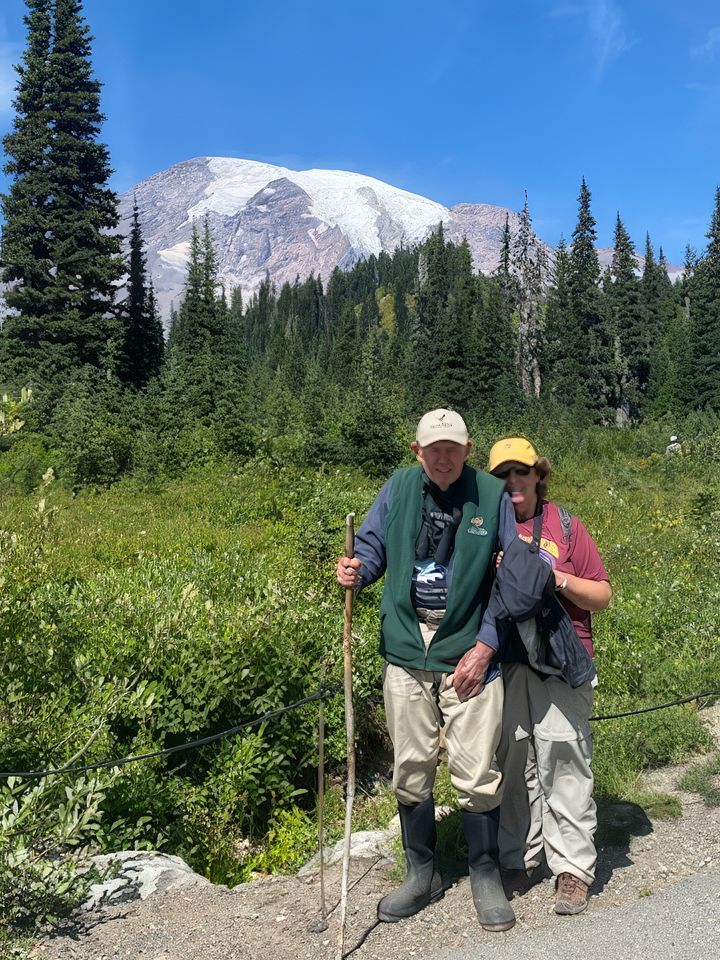
For Pat and Phil, camping was part of the same outdoor life as birding, teaching, and conservation. It kept them close to coastlines, count circles, and the wild places they returned to again and again.
They tent camped for years until one especially wet summer ended the fabric-wall era. After three rain-soaked trips, they bought a Lance overhead camper and used it across the United States twice, through Canada, up to Alaska, and into years of trips shaped less by a fixed itinerary than by whatever birds, roads, and weather gave them that day.
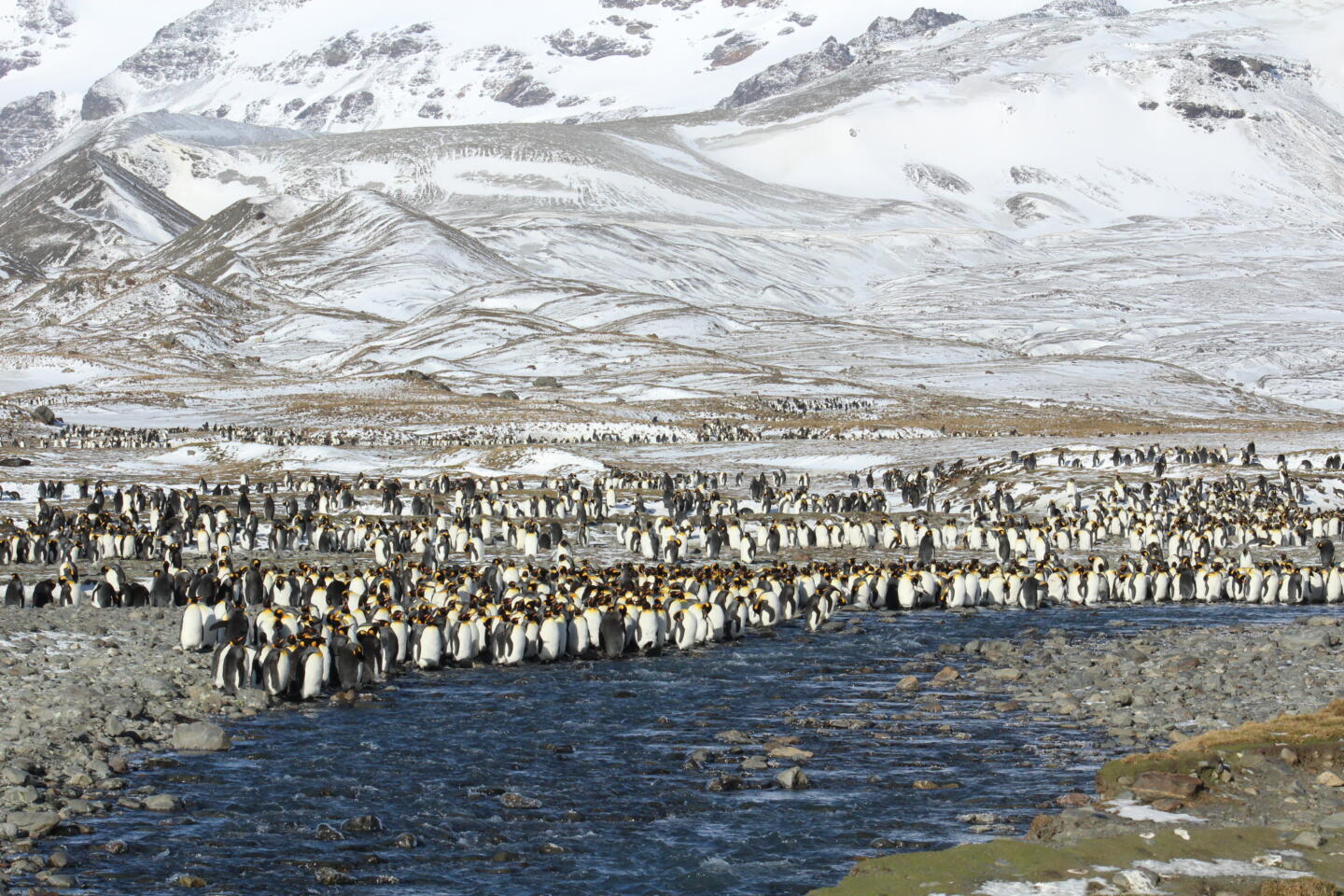
Their birding life reached even farther, including Cuba, Trinidad and Tobago, Newfoundland, the Arctic, and the Antarctic. But camping gave Pat something she still talks about with the most affection: the freedom to stop where you want, eat where you want, and stay close to what you came to see.
Too Much Camper
The Lance worked when Pat and Phil were managing it together. Alone, it was different.
It was tall, pushed around by wind, and harder to take into the kinds of places Pat still wanted to go. She already knew what that could mean. Years earlier, she and Phil had taken it toward Camp Unalayee in the Trinity Wilderness, a children’s wilderness camp tied closely to their life outside. The camp reflected something Pat and Phil both believed: that helping people connect with nature, especially children, is one of the best ways to teach them why wild places are worth caring for. Phil and a group of college friends had helped acquire the land decades before, making the place part of the same generous, practical work that shaped so much of what he and Pat cared about.
Getting there was never easy. The road in is only six miles, but it is rough four-wheel trek and can take more than an hour. On one trip, the Lance caught a branch and ripped the refrigerator vent clean off.
That memory stayed with her for good reason. The camper had taken them remarkable places, but it had limits. After Phil died, those limits felt different. A windy highway, a tight road, a low branch, a bulky setup at the end of the day: all of it mattered more when she was the only one handling the truck and camper.
Pat was not trying to reinvent her life, she was trying to keep reaching the places already in it. The old setup had become too much camper. She needed something lower, simpler, more secure, and fully manageable on her own
A Camper She Could Count On
When Pat drove up to Winlock, Washington, she was not chasing a long list of upgrades. She knew what she needed, what she did not, and where the money was better spent.
Her truck was already part of the story: a Ford F-250 Heavy Duty 4×4 she and Phil had used for years. For the new camper, Pat chose an 8-foot Alaskan and kept the build focused on solo travel and real use. She went with the smaller dinette, made sure it had a bathroom, and prioritized what would make longer trips easier: refrigerator and freezer space, hot water, a sink, a furnace, solar, batteries, and an all-electric hydraulic lift she could raise and lower with the push of a button. She skipped air conditioning and kept the rest simple.
All my kids are laughing at me. I gotta tell you, the kids think I’m crazy, the grandkids think I’m cool.
For Pat, the trip to Winlock, Washington was about more than picking up the camper. Nick helped her sort through the options and land on a setup that fit the way she camps. Alyssa made the office side feel easy. Charlie handled the walkthrough, answering the practical questions that come up when you are about to spend your first night alone in a new camper and want to understand the systems before the campground gets dark.
She picked up the camper around Labor Day, and between September and December, it seemed to rain every time she took it out. Her friends laughed about it, and Pat did too, but the weather gave her quick proof that the Alaskan was doing what she needed: giving her a warm, locked, self-contained place to land and enough confidence to keep planning the next trip.
Getting the Hang of it
That confidence did not arrive all at once.
Charlie had walked Pat through the camper at pickup, but there is a difference between having someone explain the systems in daylight and arriving at a campsite by yourself later, looking at the controls, and trying to remember which button does what.
Pat spent her first night in Oregon, then stopped at a KOA with electricity to make sure she understood the systems before heading farther south. The camper was new, so a few things were tight or took a little learning. She adjusted the upper latches until they worked better for her, figured out the cassette toilet door, and got help loosening a stubborn propane coupling.
Pat says without embarrassment that she is not mechanical. Phil was. Now his toolbox rides in the truck, and Pat is learning what she can handle, what she can adjust, and when to ask for help. None of that has stopped her from going. If anything, each small fix has made the camper feel a little more like hers.
Solo travel also came with a few family-approved safety rules. Her kids asked her to stay in established campgrounds, and Pat paid attention to the basics: a camper that locked securely, places with people nearby, and a setup she could manage herself. Phil had once told her that if she ever camped alone, she should put two chairs outside so people would think there were two people in the camper. Pat does not always follow that advice, but she has not forgotten it.
Then there are the solo travel moments nobody can rehearse. Near San Diego, Pat was trying to find a KOA and one wrong turn put her on a toll road headed toward the international border, close enough to make her realize she had gone too far. She got herself turned around, made it back into town, and then noticed the truck had picked up a piece of metal in one tire. The pressure started dropping fast, so she eased onto city streets and found a Firestone just before closing.
“These are the things that happen when you’re by yourself,” she says.
It was the kind of day that reminded her solo travel comes with extra logistics, not fewer reasons to go.
A Refuge With a Road
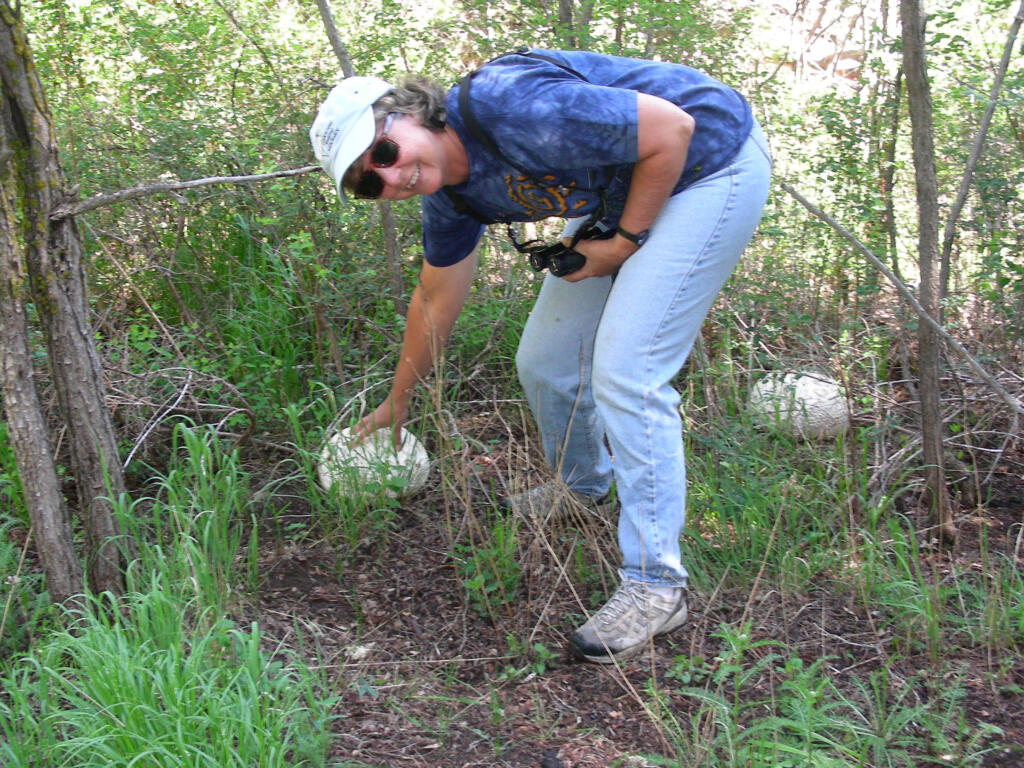
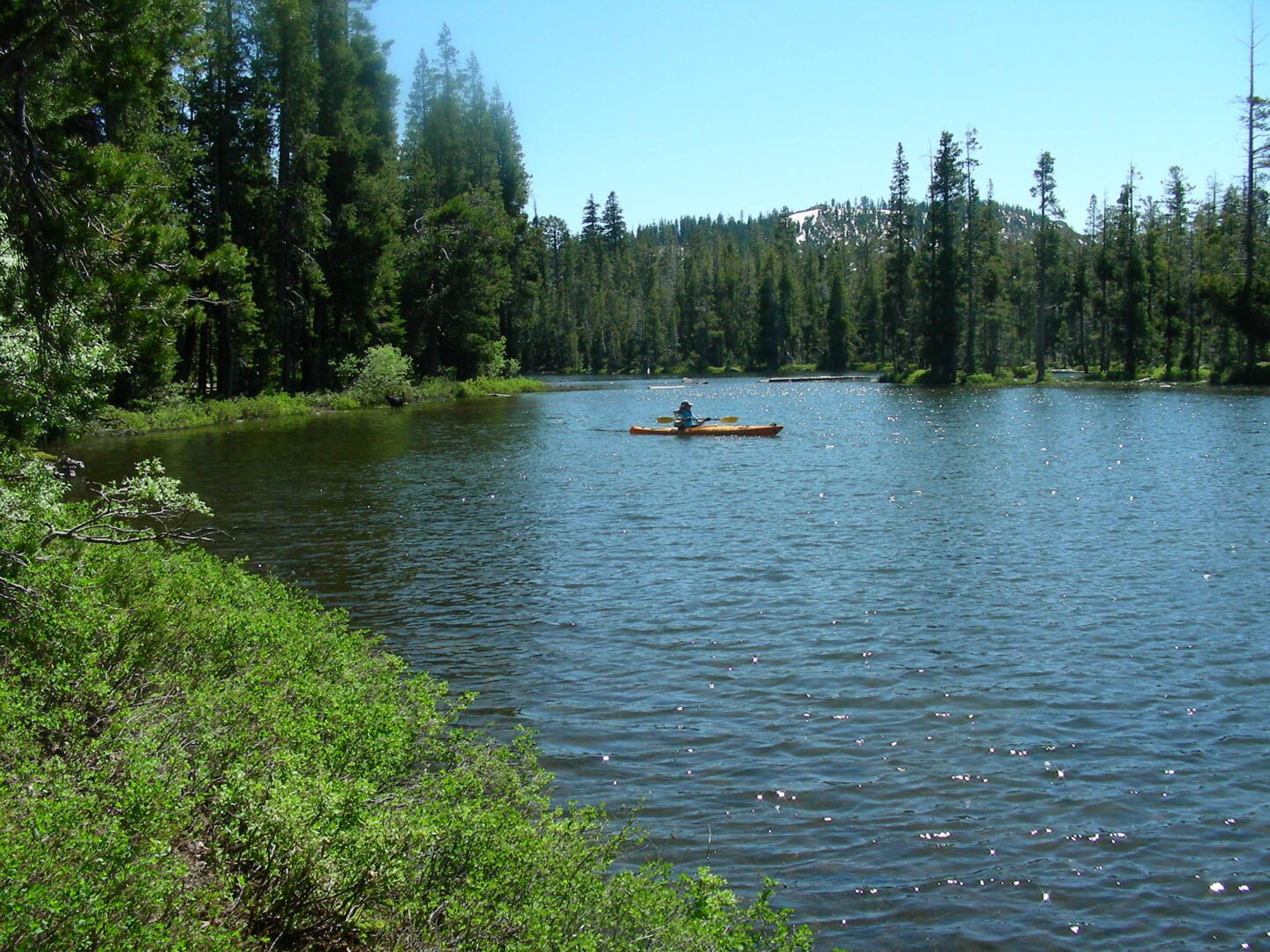
For a few months after Phil died, Pat says she went underground. When she started traveling again, she began with places that felt close enough to manage: Bodega Bay, the Northern California coast, Lassen, Pinnacles. Sometimes friends came. Sometimes it rained. Sometimes the campground emptied out and the birds did not cooperate.
At Pinnacles, Pat had hoped to see condors. After Ohlone, they were no longer just another bird to look for. But rain moved through hard enough to keep them grounded, and Pat stayed anyway, tucked inside the Alaskan while the kind of weather that once ended tent trips passed over the campground.
It was not the trip she had pictured, but the camper made it easier to stay.
A Longer Trip
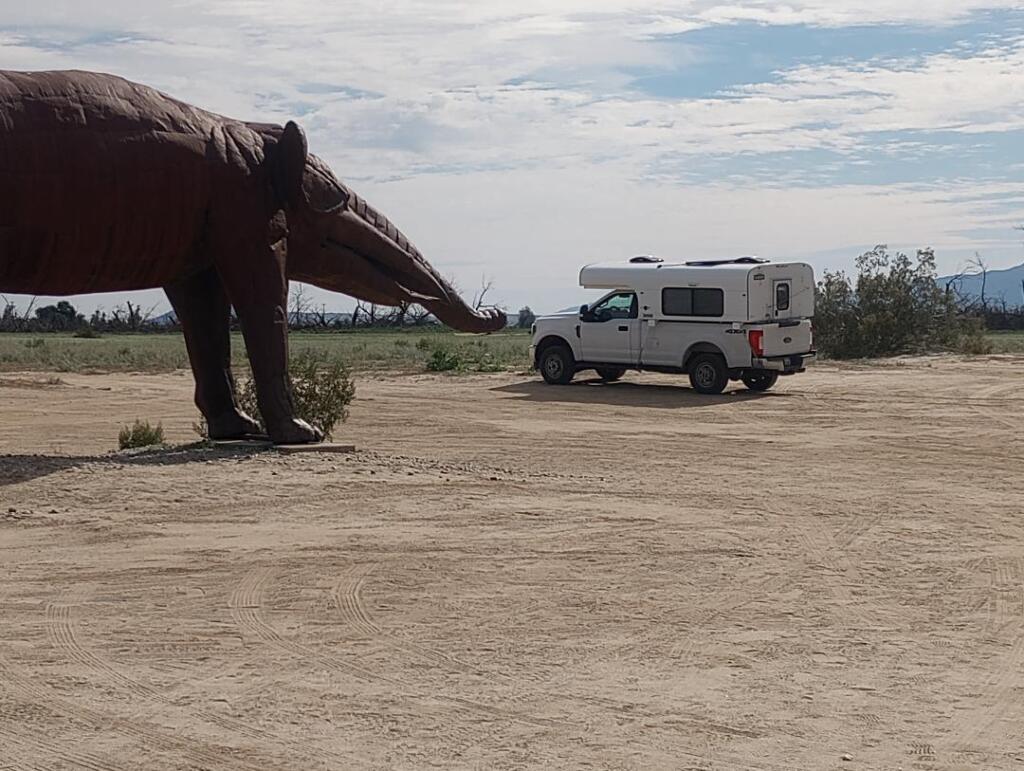
In February, she took the camper to Anza-Borrego and the Salton Sea and spent 10 days camping on her own. Her kids had their concerns, but Pat stayed in established campgrounds, built her own fires, and settled into the rhythm of the trip in a way that felt steady and manageable.
She was not trying to prove anything dramatic or make a statement about independence. What mattered was that she still felt the desire to go, and that she trusted herself enough to follow through on it.
That instinct has stayed with her. Recently, while recovering at home from a new hip, Pat sent a note saying she was already “climbing the walls” and looking out at the camper in the driveway. She knew she would not be driving for a couple more weeks, but the camper was there, ready when she was.
“The mountains are calling.”
The Work That Continues
Phil taught in more than one classroom. He had been a Yosemite park ranger, science teacher, naturalist, paleontologist, California birder, and mentor, the kind of person whose students tracked him down decades later. One of them found his way back near the end of Phil’s life, visited regularly, and ended up as a pallbearer at his funeral. While cleaning out the house afterward, Pat came across a letter that same student had written to Phil in 1965: a seventh or eighth grader telling his teacher how much he had changed his life. Phil had kept it for sixty years.
When Phil got sick, his Bay Area bird class stopped meeting formally. The group kept going anyway, because by then it had become something beyond instruction. A few months ago, they asked Pat to take it over. She said yes.
The rest of the week fills in around it. Pat writes the Audubon newsletter, compiles count data, and helps monitor birds along San Francisco Bay. She has seen so many birds over the years that “lifers,” the first-time sightings birders remember, are harder to come by now. She laughs about that. On a recent Death Valley trip, nearly everyone else in the group saw a bird they had never seen before. Pat had already seen it.
That hasn’t made her less interested. Birding, for Pat, was never only about collecting firsts. It is about showing up, paying attention, bringing other people outside, and getting to know a place well enough to care what happens to it. Somewhere over Central California, Ohlone is out there — a wild-hatched condor named for the people of the Bay Area, flying over the same ridgelines Pat still drives toward.
Still Going Out
Pat has great-grandchildren now, a growing crew spread across Utah, Indiana, and Washington, and a summer already planned around the camper. There are rough roads still on the list and places she has always wanted to get back to. Some trips will follow family. Others will follow the birds. For Pat, they have always led in much the same direction.
At Phil’s funeral, the people who gathered to say goodbye sang campfire songs, and Pat says they had a great time. It was the right kind of send-off for someone who had spent his life helping people see why the outside world was worth knowing and protecting. Former students were still finding their way back to him decades later, and the birds and wild places he cared about are still being watched over by people he taught and encouraged.
His toolbox is still in the truck.
Have a Story to Share?
Huge thanks to Pat for sharing her story, her photos, and so much of her generous spirit with us. She was a joy to talk to, the kind of person who keeps you smiling long after the conversation ends. Months later, her warmth, humor, and determination have stayed with us (honestly, she’s the best).
Stories like Pat’s are a big part of what makes the Alaskan community what it is: people using our campers to keep reaching the places, people, and wild things that matter to them.
If you’re out putting your Alaskan to work somewhere interesting, we’d love to hear your story too—just reach out to [email protected] and let’s chat.