What Gets Lost When RVs Are Built at Scale
June 22, 2026
Mass-Produced RVs vs. Small-Batch Truck Campers: What the Difference Actually Costs You
Quick answer
Mass-produced RVs are built to maximize variety, availability, and accessible price points at national scale. Small-batch truck campers are built around a different set of priorities: truck fit, direct owner communication, craftsman accountability, and a closer relationship between the people who build the camper and the people who drive it. Neither model is automatically better. They’re optimized for different promises.
| Mass-Produced RV | Small-Batch Truck Camper | |
| Built for | Volume and variety | Fit and accountability |
| Built to order? | No — from dealer stock | Yes |
| Factory contact | Through dealer network | Direct |
| Warranty | 1–3 years, industry standard | 12 months, direct factory support |
| Service route | Dealer queue | Factory team |
| Depreciation (year 1) | 20–30% | ~15% |
| Resale at 5 years | ~50–60% retained | 55–70% retained (hard-side) |
The Scale Gap, In Hard Numbers
The RV industry is built for volume. The RV Industry Association reported total wholesale shipments of 342,220 units in 2025, a 2.5% increase over 2024. Nearly all of it concentrated in one place — roughly 80% of American RVs come from Elkhart County, Indiana, which functions as a self-sustaining super-cluster of manufacturers, shared suppliers, and specialized labor. Three companies — Thor Industries, Forest River, and Winnebago — account for roughly 90% of the entire RV market.
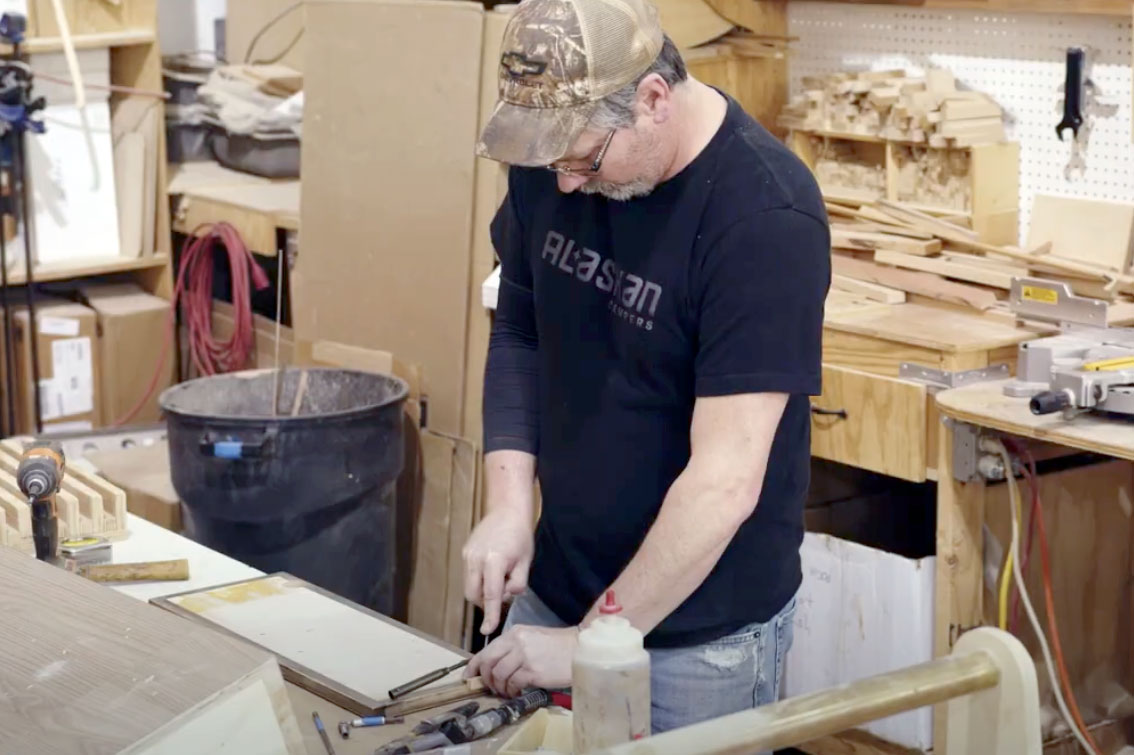
Truck Camper Magazine reported that we were on track to build approximately 100 campers in 2025, nearly doubling its pre-2020 production. Internal production figures ultimately landed right around that mark. Even at about 100 campers per year, Alaskan operates at a fundamentally different scale than the mass-market RV industry, where production is measured in tens or hundreds of thousands of units annually.
The goal isn’t maximizing throughput. It’s maintaining the level of craftsmanship, customization, and direct customer involvement that becomes increasingly difficult to preserve at larger scales.
What Mass Production Is Actually Designed to Do
The strongest version of this comparison has to start with what mass production does well, because the answer is a lot.
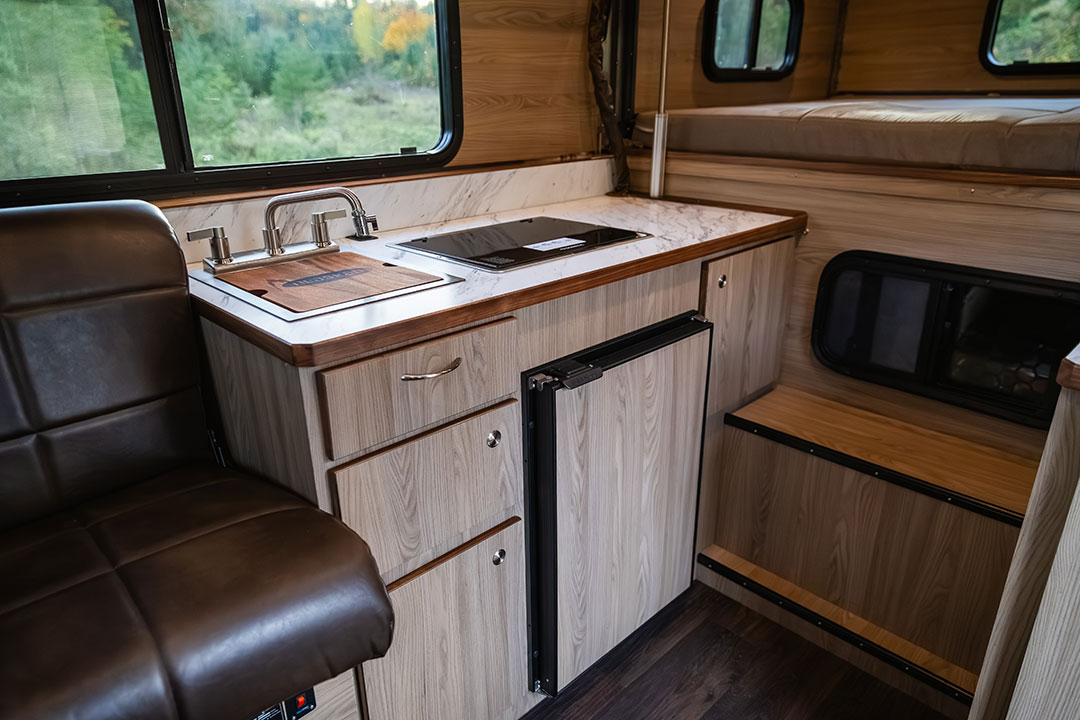
High-volume manufacturers give buyers more floor plans, more price points, more dealer inventory, and a faster path to purchase. Someone who wants to walk a lot, compare brands, and drive away in something that week — mass production makes that possible. RV manufacturing is largely unautomated because RVs are built more like houses than cars, requiring hand-crafted wood and aluminum framing, cabinet installation, and manual plumbing and electrical. That means the skilled labor cost is real, and part of what scale enables is spreading that cost across enough units to bring the price down.
Scale also allows manufacturers to standardize parts across product lines and comply with RVIA’s safety standards — electrical, plumbing, heating, fire, and construction requirements that apply to member manufacturers across the board. The argument here is not that mass-produced RVs are unregulated or carelessly built. The more honest argument is that compliance, availability, and volume are different success metrics than fit, craftsman accountability, and direct support after delivery.
What the Documented Pattern Shows
We build about 100 campers a year, so take our read on mass production with appropriate salt. That said, the recall data isn’t ours — it’s the federal government’s.
A 2025 Wall Street Journal investigation found that from 2015 to 2024, no automaker or RV company issued more recalls than Forest River, with nearly half stemming from manufacturing errors rather than faulty parts — and that the company’s piece-rate pay structure incentivizes speed over thoroughness. NHTSA filings put specifics on it: a solar controller wired without over-current protection, and propane tank brackets with welds that could fail in use.
Forest River is the most documented case, but the underlying condition runs wider. Most major brands share Lippert-built components — slides, axles, fixtures — pulled from different cost tiers but assembled by hand on a line with deadlines and quotas. When something goes wrong at that pace, it can touch thousands of units before anyone catches it.
To be fair: scale doesn’t automatically mean problems. Airstream, Grand Design, Tiffin, Newmar, and Winnebago consistently earn better marks for build quality — generally at price points that reflect it. The variable isn’t mass production itself. It’s what a manufacturer decides to protect when volume goes up and margins get tight.
The Fit Problem Truck Campers Create
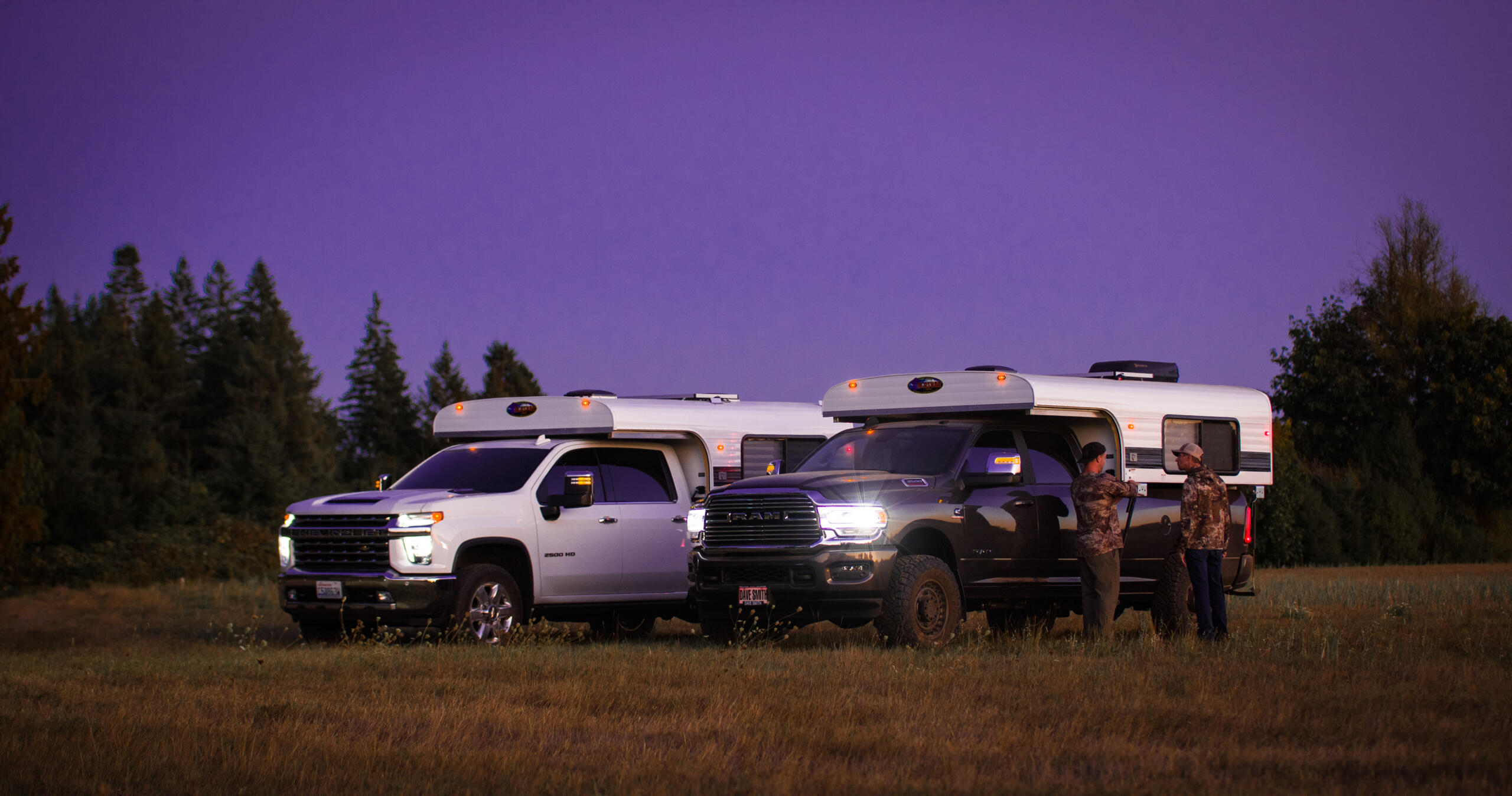
Most RV comparisons skip this entirely: a truck camper doesn’t follow the vehicle — it sits on it. That creates a matching problem trailers don’t have.
Before buying, all of the following have to be part of the decision:
- Truck payload capacity and GVWR
- Camper weight fully loaded — water, gear, passengers
- Center of gravity and its effect on handling
- Bed length, cab configuration, and axle position
- Suspension rating and whether the truck needs upgrades
Getting it wrong doesn’t mean a rough ride. It means an unsafe one. Truck Camper Magazine‘s matching guide centers the entire process around payload, camper weight, and center-of-gravity compatibility.
A buyer doesn’t just need a model. They need the right model for their specific truck, and someone who can tell them the difference between an F-250 short-bed and a Ram 3500 long-bed flatbed before money changes hands. That’s why we built the Find Your Alaskan guide, so owners can quickly narrow down compatible models, compare configurations, and start the conversation with a clearer understanding of what fits their truck.
What Happens After the Sale Matters, Too
Alaskan’s standard build warranty covers workmanship and materials for 12 months on new campers, which is generally in line with much of the RV industry. The bigger difference is what happens when an owner actually needs help.
In the mass-market RV world, support often moves through a chain of manufacturers, dealers, service departments, and warranty administrators. Industry reporting has documented common friction points, including warranty claims delayed when a unit wasn’t purchased from the servicing dealer, independent shops declining warranty work because reimbursement rates don’t justify the labor, and long waits for available service appointments.
Those delays become easier to understand when viewed at industry scale. According to RV Miles, the average RV spends 34 days in a repair facility when service is required. During peak season, dealership wait times can approach six weeks. The challenge isn’t necessarily technician quality. It’s capacity. The RV Technical Institute estimates there are 8.1 million RV-owning households in the United States and a continuing shortage of qualified technicians. As RV Business noted in 2026, adding more technicians alone doesn’t solve the problem if warranty approvals and service workflows remain bottlenecks.
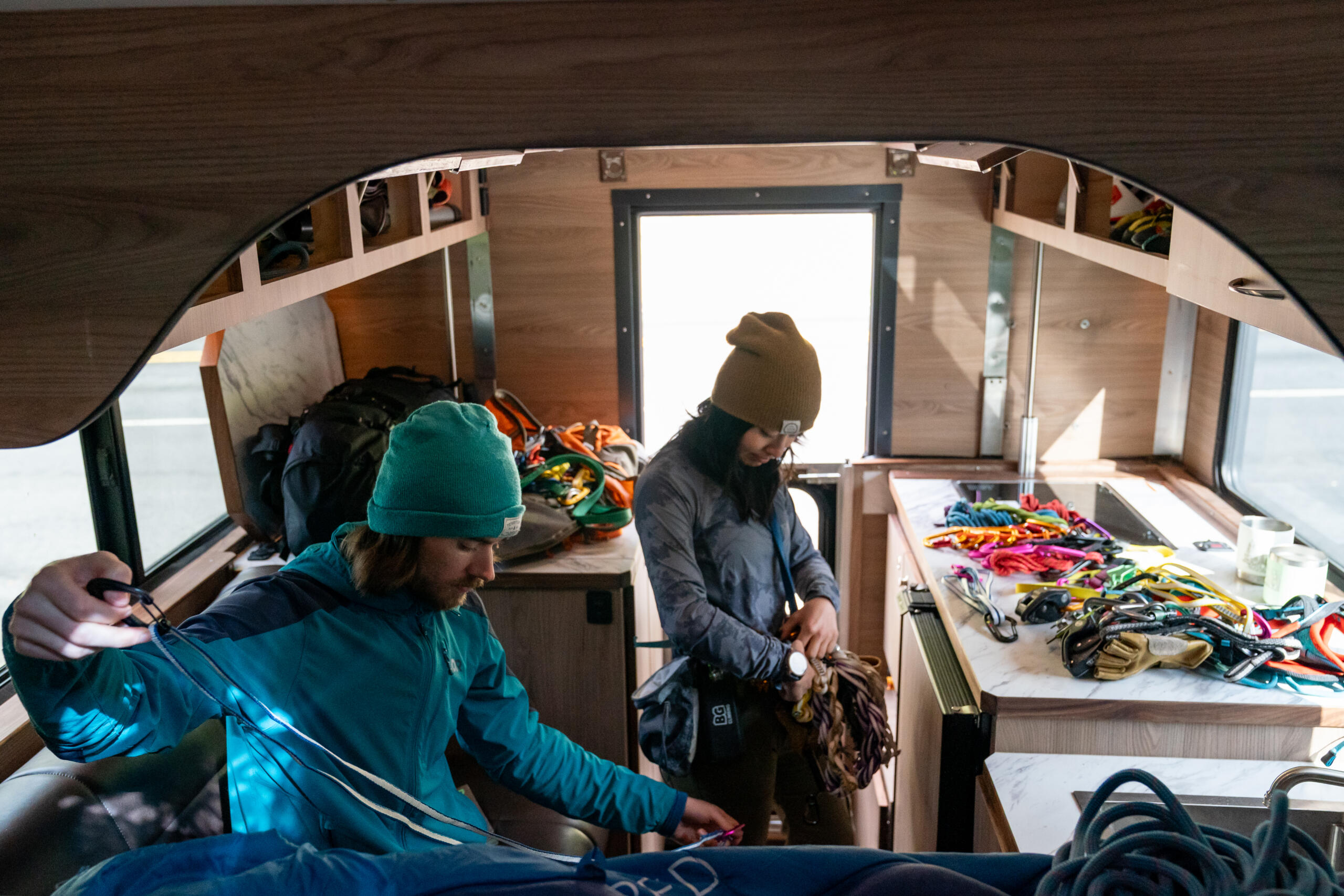
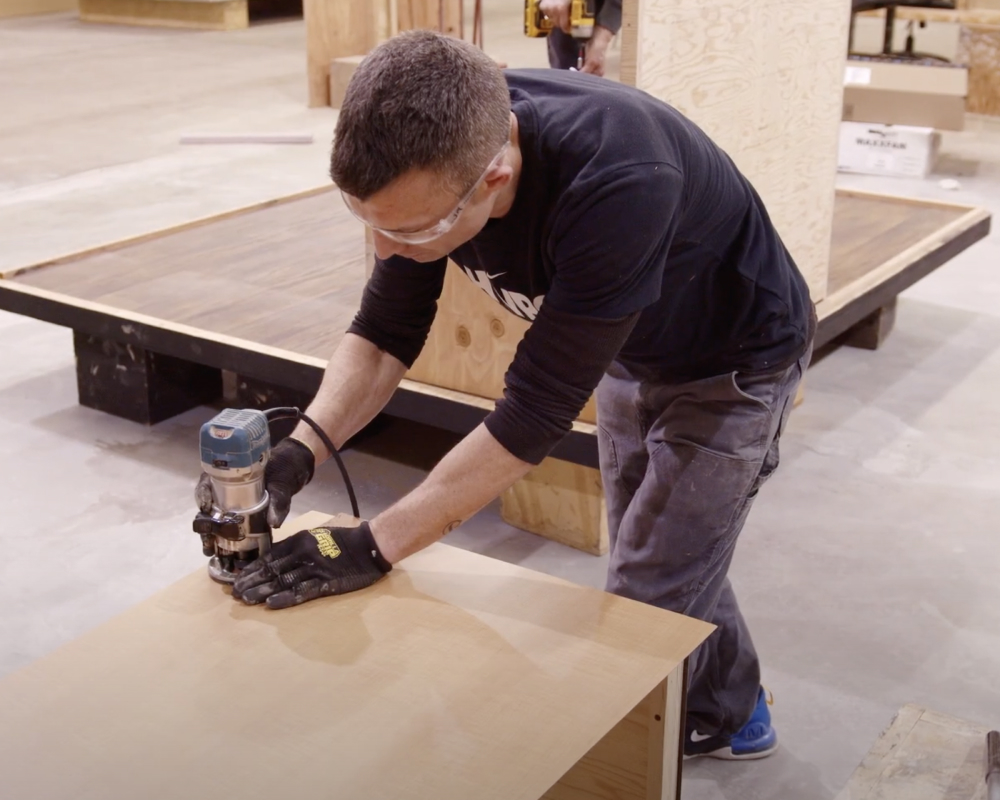
Alaskan’s ownership experience is built differently. Loadout day is more than installation and paperwork. It’s often the first face-to-face meeting with the technicians, craftspeople, and support team who helped build the camper. Owners leave knowing how their systems work, who worked on the camper, and who to contact if questions come up later. Months or years down the road, those same people are often still just an email or phone call away.
The warranty itself may be standard. Access to the people behind it is not.
The Resale Math
| RV Type | Year 1 Depreciation | Retained at 5 Years |
| Class A Motorhome | 20–30%+ | ~50% |
| Travel Trailer | ~16% | 55–60% |
| Truck Camper (hard-side) | ~15% | 55–70% |
The average RV loses 20–30% of its value in year one, according to J.D. Power and NADA Guides. In fact, Class A motorhomes can drop $15,000–$30,000 before the first campfire. Truck campers depreciate at roughly 15% in year one — lower supply, a loyal resale market, and simpler mechanical profile all contribute.
The reason matters: no engine, no transmission, no slide-outs. Fewer systems means fewer expensive failures and more predictable maintenance. It also means build quality affects resale more directly — there are fewer variables for depreciation to hide behind. A truck camper either holds up or it doesn’t. Hard-sided models that are well maintained often retain 55–70% of original value after five years.
Frequently Asked Questions
Are all RVs mass-produced?
No. Roughly 90% of the U.S. market comes from three manufacturers building at high volume in Indiana. A small number of independent builders produce in limited quantities, often factory-direct and built to order.
Why do so many new RVs have problems?
Volume, piece-rate pay structures that incentivize speed, and shared component suppliers across brands. When errors occur at scale, they can affect thousands of units before anyone identifies them. Some manufacturers maintain stronger quality control — but the structural risk is well-documented.
Is a hand-built truck camper actually better quality?
Build quality in a small-batch shop is easier to trace and address when something needs attention, because the number of units is small enough for each builder to know each camper. Whether that’s “better” depends on what quality means in context: fewer initial defects, longer useful life, or more accessible support when something needs work.
How long does it take to build a truck camper vs. a mass-produced RV?
Mass-produced RVs are completed in days at the factory, then shipped to dealer inventory. An Alaskan is built to order — production starts when the order is placed, and the buyer takes delivery directly from the factory. Lead times are longer. The owner is getting a unit built to their configuration, not pulling from existing stock.
What’s the warranty on an Alaskan Camper?
A standard 12-month build warranty covering workmanship and materials on new campers — in line with most manufacturer warranties. The difference is what comes with it: factory-direct delivery, a hands-on technician walkthrough at loadout, and direct access to the production team afterward.
Are truck campers covered by extended RV warranties?
Not always. At least one major third-party provider explicitly excludes truck campers and pop-up campers from coverage. Verify extended coverage options specific to the truck camper segment before purchase — the same products available for travel trailers don’t always apply.
How well do truck campers hold their value?
Better than most RV categories. First-year depreciation runs around 15%, compared to 20–30% for motorhomes. Hard-sided models in good condition typically retain 55–70% of original value after five years. Fewer complex systems and a smaller, loyal resale market both contribute.
The Short Version (TL;DR)
Mass-produced RVs and small-batch truck campers are built around different priorities. Large manufacturers optimize for volume, variety, dealer availability, and lower entry costs, while builders like Alaskan focus on truck-specific fit, direct owner relationships, craftsmanship, and long-term support. Neither approach is inherently better, but the tradeoffs show up throughout ownership, from purchasing and service to resale value and the people you call when something needs attention.