Overlanding vs. Camping: Understanding the Difference
June 21, 2026
Quick answer: If camping is the destination, overlanding is the journey.
Camping is the broad practice of spending the night outdoors, whether that’s in a tent, a campground, a truck camper, or miles from the nearest paved road. Overlanding is a specific style of camping built around self-reliant, vehicle-based travel where the route is part of the experience. In other words: campers often travel so they can camp. Overlanders camp so they can keep traveling.
The Numbers Behind the Trend
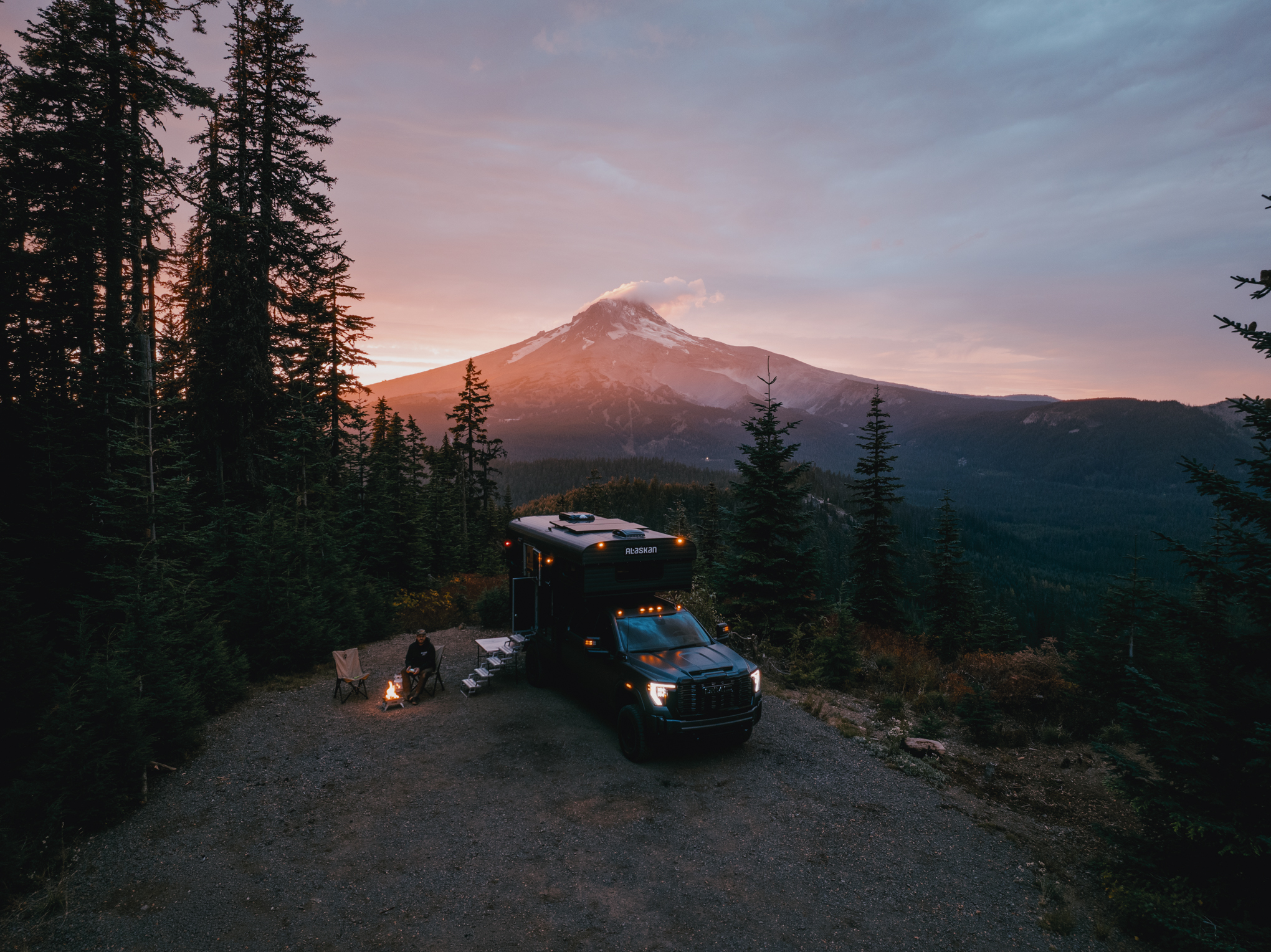
Part of the confusion comes from how quickly overlanding has grown. Industry estimates suggest more than 12 million Americans participated in overlanding in 2025, up from roughly 8 million the year before, while 95% of overlanders reported modifying their vehicles in some way. At the same time, more than 52 million North American households camped in 2025.
Camping remains one of North America’s most popular outdoor activities, while overlanding is a much smaller but rapidly growing segment within it. The numbers reinforce the same conclusion as the definitions: overlanding isn’t replacing camping. It’s becoming one of the most popular ways to do it.
Overlanding vs. Camping at a Glance
| Question | Camping | Overlanding |
| What’s the goal? | Spending time outdoors | Exploring through travel |
| Where do you sleep? | Campgrounds, dispersed sites, or backcountry camps | Usually remote, dispersed camps |
| Vehicle required? | No | Usually yes |
| Trip length? | One night to several days | Often several days to months |
| Self-reliance level? | Varies | High |
| What matters most? | The campsite | The route and the campsite |
The Problem Existed Before the Word
Before “overlanding” became part of the outdoor vocabulary, people were already trying to solve the problem it describes.
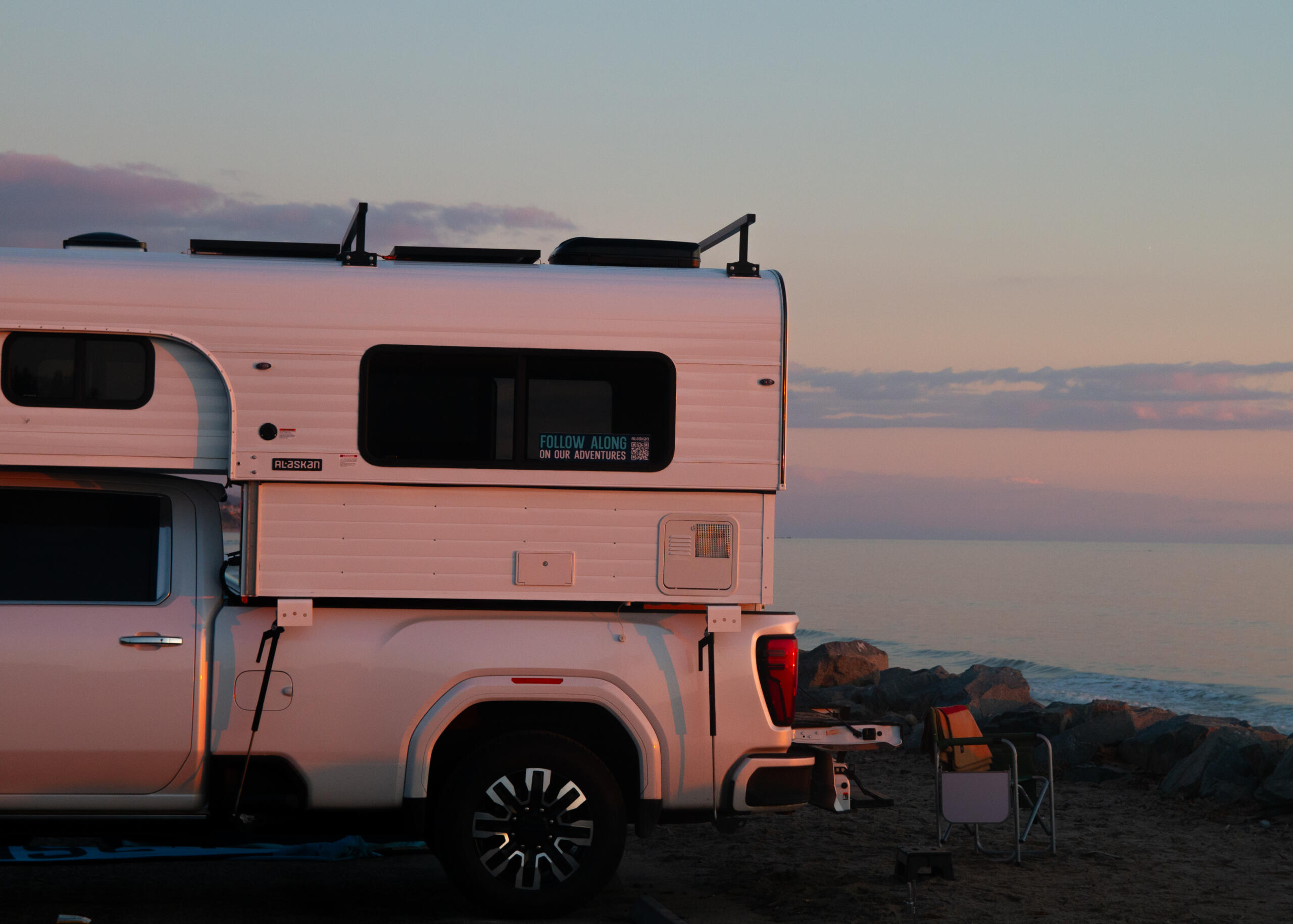
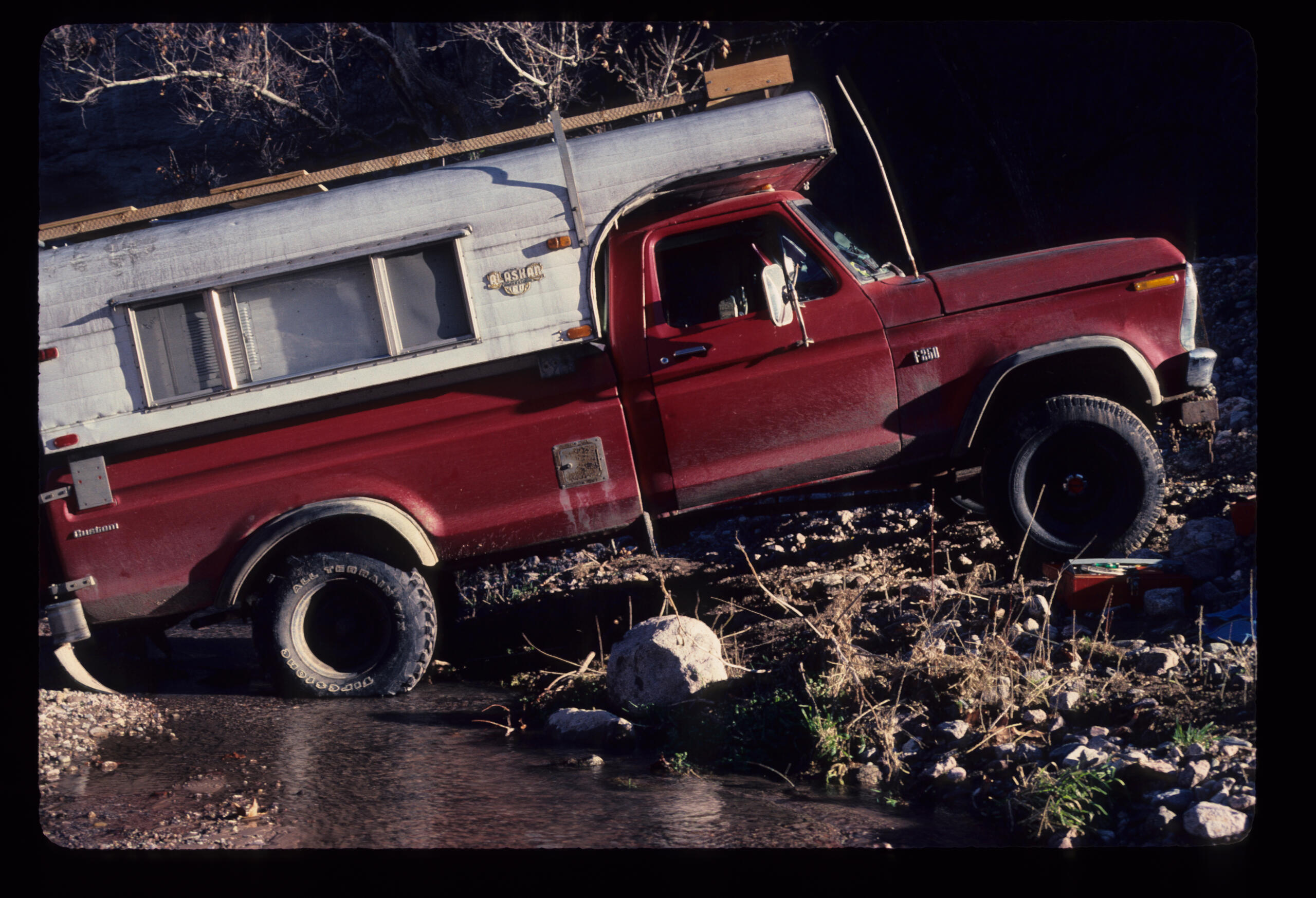
In the early 1950s, Don and Irene Hall were heading north on the old Alcan Highway for a hunting trip when a washed-out shoulder nearly rolled their truck and left them stranded in a roadside marsh. That night around the campfire, Irene made her position clear: if she was going to do this again, she’d need something better than a tent. Something that traveled low and stable on rough roads, then opened into a comfortable place to spend the night.
Don returned to his garage in Sunland, California, and started building. By 1958, Alaskan Campers was producing its patented telescoping hard-sided design. You can read the full story, including the hat box that inspired the lift mechanism, in The Alaskan Camper Story.
What’s interesting isn’t just the history itself. It’s the problem they were trying to solve.
Irene was focused on the destination. The camper had to be comfortable once they stopped moving. Don was focused on the journey. The rig had to handle remote roads without compromising the truck’s capability. Both requirements had to work together because neither mattered much without the other.
That’s the same balance people still chase today. In fact, when Expedition Portal, the publication founded by the team behind Overland Journal and closely associated with the Overland Expo community, recently published a roundup of overland truck campers, they included Alaskan despite not having a test unit available. They referred to it as “the original overland pop-up,” citing its hard-sided, four-season design. We’ll happily take the nod from people who’ve spent years immersed in overland travel, truck campers, and expedition vehicles.
The term overlanding came later. The challenge it describes was already sitting beside a campfire on the Alcan Highway.
Where the word “overlanding” actually comes from
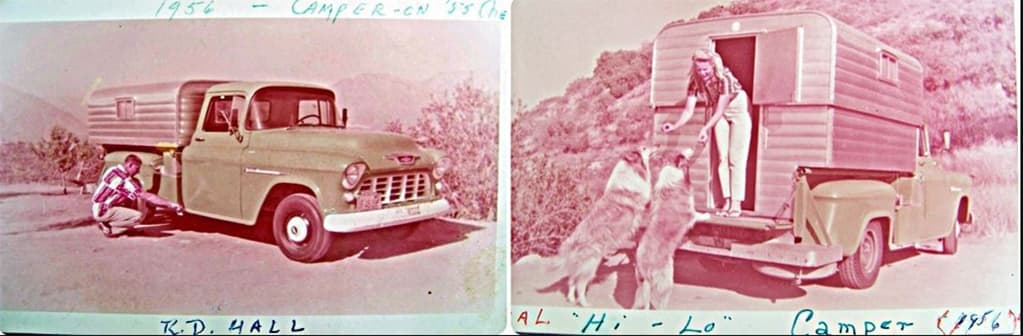
The word overlanding originally comes from 19th-century Australia, where it described moving livestock long distances across remote country. Over time, the term evolved into a form of self-reliant travel, eventually becoming associated with vehicle-based exploration in remote places.
The definition may have changed, but the core idea remains the same: covering ground, solving problems along the way, and reaching places that aren’t always easy to get to.
What Camping Means, Technically
Most people reading this probably don’t need camping explained to them, but the definition matters because it helps clarify where overlanding fits.
At its simplest, camping means spending the night outdoors in some form of temporary shelter. That could be a tent at a state park, a hammock deep in the backcountry, a rooftop tent, a truck camper, or a motorhome parked beside a lake. The definition is intentionally broad, covering everything from a family weekend at a campground to a month-long trip through remote public land.
What camping doesn’t tell you is how you traveled, how far you went, how remote the destination was, or what the purpose of the trip happened to be. It only describes where you’re staying. That’s where overlanding begins to separate itself.
So Is Overlanding Just a Type of Camping?
In short, yes.
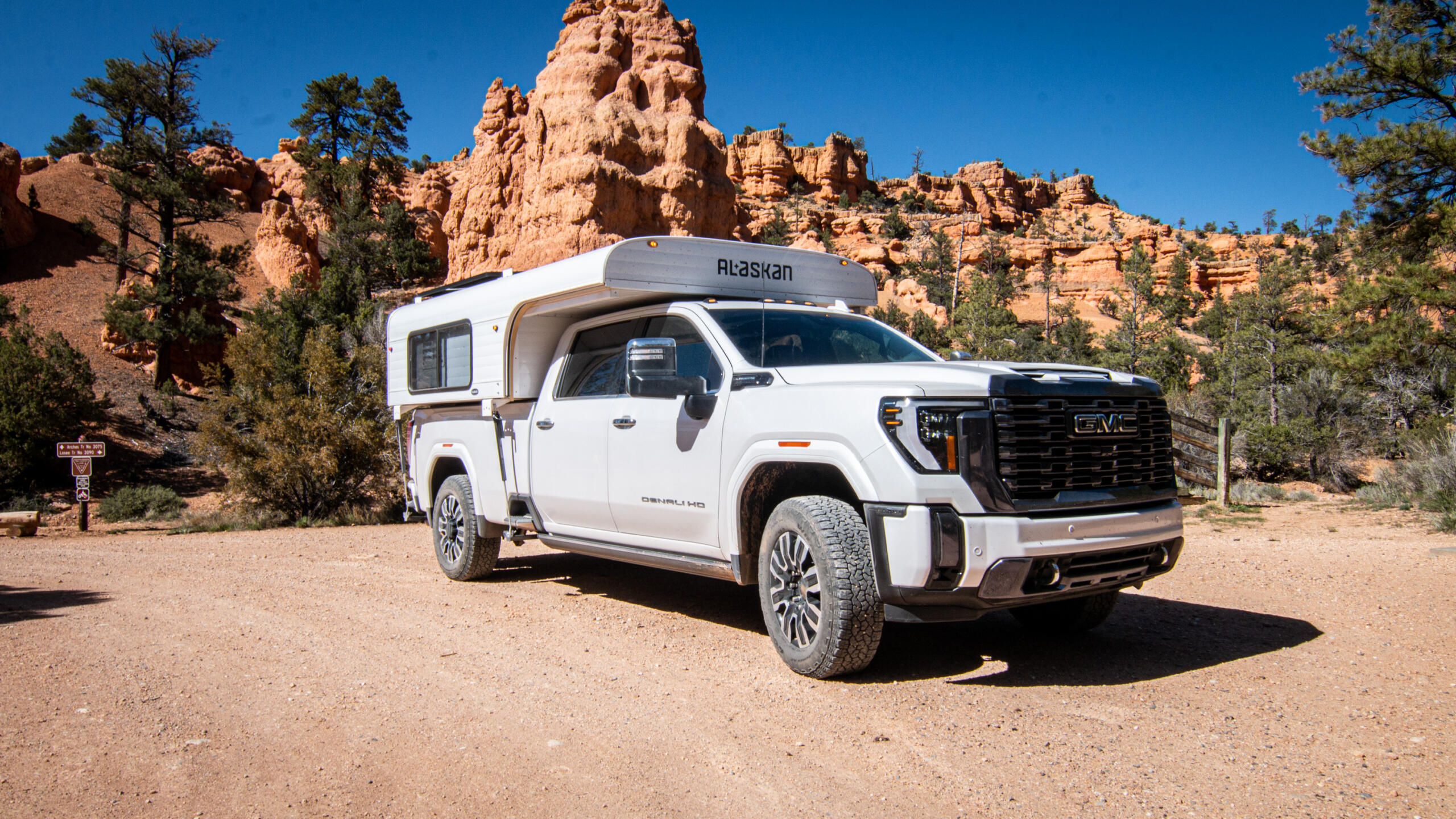
One of the most widely cited definitions describes overlanding as self-reliant travel to remote destinations where the journey itself is the primary goal and camping serves as the principal form of lodging. That last part is important because it highlights a distinction many articles get backwards: camping isn’t the alternative to overlanding. It’s built directly into the definition.
The more useful comparison isn’t overlanding versus camping. It’s camping as the destination versus camping as part of a larger journey.
If you’re heading to a favorite campsite for the weekend, setting up camp, and spending most of your time there, camping is the purpose of the trip. If you’re spending days exploring forest roads, crossing remote stretches of public land, and setting up camp wherever the day happens to end, the camping supports the travel. The shelter may be the same. The goal is different.
That’s why overlanding is best understood as a style of camping rather than a separate activity altogether.
The line people actually draw
In practice, the distinction usually comes down to three things:
- Self-reliance: Overlanders typically carry what they need rather than depending on hookups, bathrooms, camp stores, or nearby services. The farther you get from infrastructure, the more important preparation becomes.
- Remoteness and distance: While camping can happen almost anywhere, overlanding tends to lean toward backroads, public land, and places that take some effort to reach. The route often matters as much as the destination.
- Duration: A camping trip might last a night or a weekend. Overlanding trips often stretch into multiple days, weeks, or even months, with travelers moving between camps rather than staying in one place.
Overlanding America offers a useful gut-check for anyone still trying to separate the two: do you travel to camp, or do you camp to travel? Their argument is that overlanders camp in order to keep moving. Kelley Blue Book’s senior video editor arrives at much the same conclusion, describing camping as staying at a single site while overlanding revolves around exploring through the vehicle itself.
It’s also worth being clear about what overlanding isn’t, because the term gets applied to just about everything with a roof rack these days. Sportsmobile distinguishes overlanding from van life by focusing on the journey rather than the vehicle itself, while Expedition Overland draws a line between overlanding and traditional RV travel. You can RV without ever leaving pavement, and you can technically overland without crossing a state line. The common thread is self-reliance, exploration, and a willingness to venture beyond the places most people can reach by simply plugging in for the night.
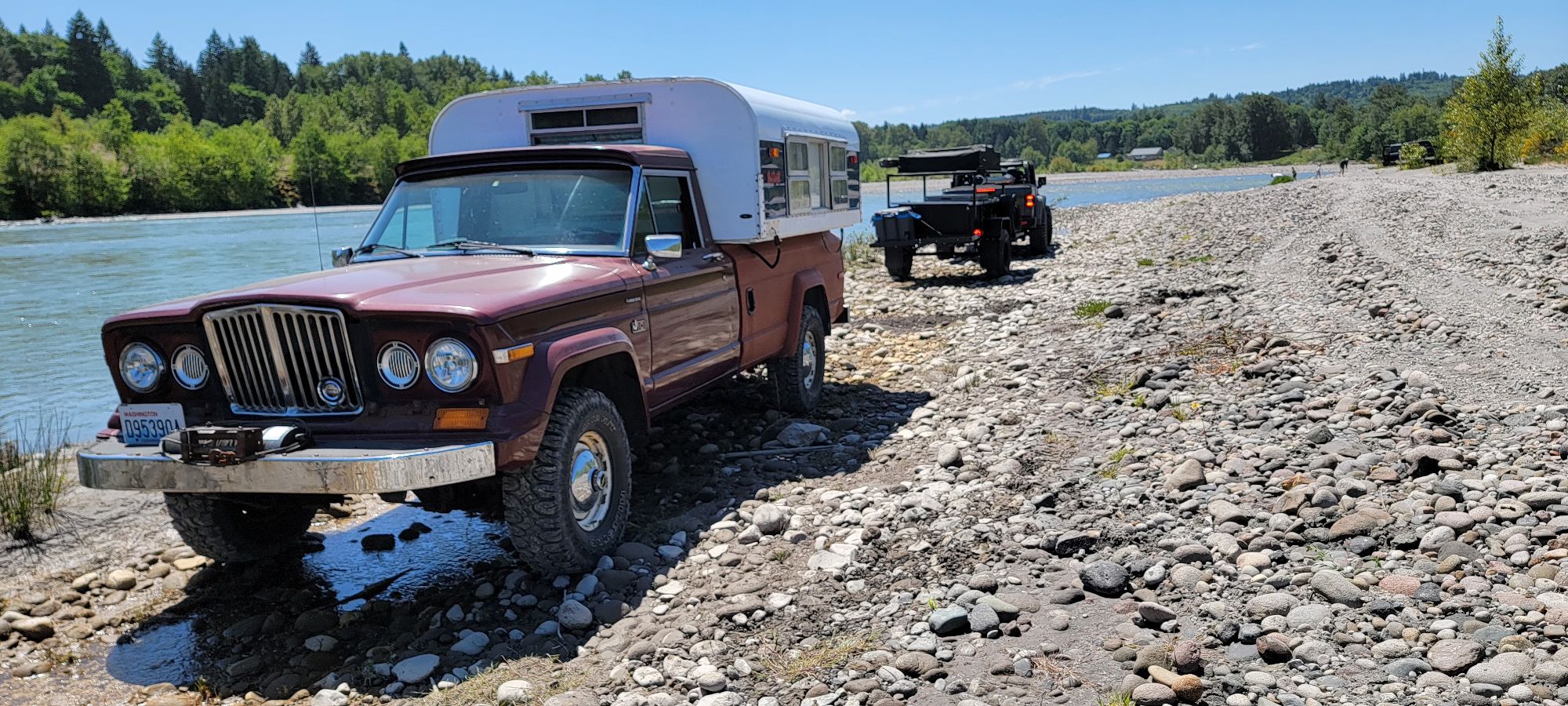
Can You Overland With a Truck Camper?
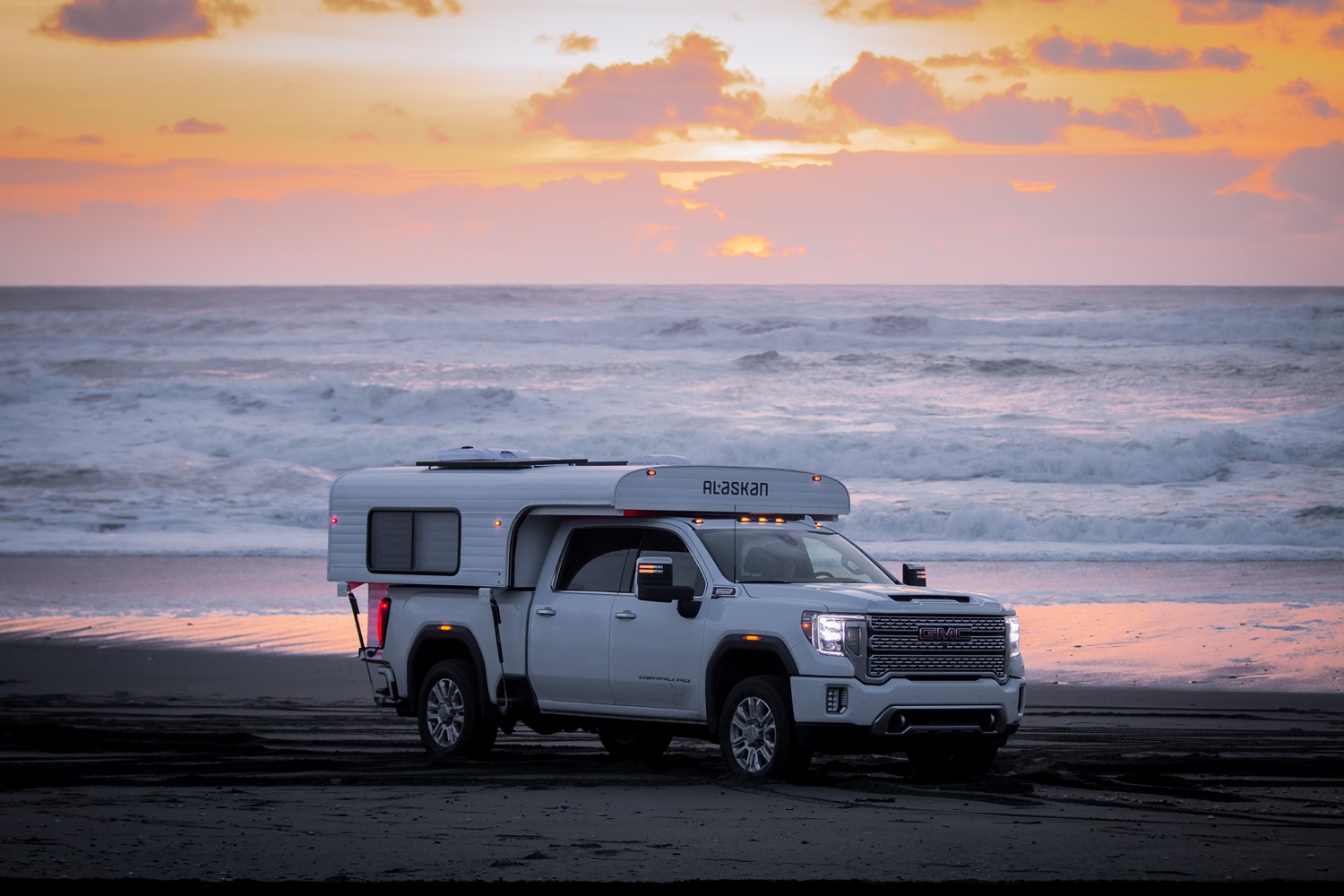
Yes, and truck campers have been part of self-reliant, vehicle-based travel for decades.
Compared with large motorhomes and travel trailers, truck campers generally offer better access to remote roads, dispersed campsites, and public land. At the same time, they provide more weather protection, storage, and comfort than many minimalist overland setups.
That’s one reason truck campers occupy an interesting space in the conversation. Many owners aren’t exclusively campers or overlanders. They spend weekends at established campsites, explore remote backroads when time allows, and move comfortably between the two styles of travel.
For travelers who value both mobility and livability, that balance is often the entire point.

A field guide to the related terms
The vocabulary around this gets confusing fast, and most of it overlaps. Here’s what each term actually means:
Car camping — driving to a site and sleeping in or near the vehicle, usually at a developed campground with amenities nearby.
Dispersed camping — the federal-land term for camping without connection to water, sewage, electricity, or other services, common on BLM and national forest land.
Boondocking and dry camping — near-synonyms for dispersed camping, more common in RV circles; camping without hookups for water, electricity, or sewer.
Wild camping / freedom camping — the European, Australian, and New Zealand equivalents of dispersed camping, generally meaning camping outside a designated, paid site.
Van life — life built around a converted van as a home base, not necessarily travel-focused.
RVing and glamping — the comfort-forward end of the spectrum, built around amenities and hookups rather than self-reliance.
Frequently asked questions
Is overlanding the same as camping?
No, but it’s built from it. Overlanding is a self-reliant, remote, journey-focused style of vehicle-based travel that uses camping as its lodging method — it’s a subset, not a separate category.
What’s the Difference Between Overlanding and Off-Roading?
Off-roading focuses on driving challenging terrain. Overlanding focuses on travel. An overlanding trip may include off-road driving, but the larger goal is reaching remote destinations and remaining self-sufficient along the way.
Do you need a 4×4 to go overlanding?
Not strictly. Overlanding has been done on everything from bicycles to motorcycles to two-wheel-drive trucks. A 4×4 expands where you can go, but self-reliance and route planning matter more than drivetrain.
Can you overland in an RV?
Technically yes, but most RVs aren’t built for the primitive, remote terrain that defines overlanding. The emphasis on getting off maintained roads is where RVing and overlanding diverge most.
What’s the difference between overlanding and boondocking?
Boondocking describes where and how you camp — without hookups. Overlanding describes the purpose of the trip — self-reliant travel where the route is the point. You can boondock without overlanding, and you can overland without ever boondocking, though the two overlap constantly in practice.
Is a truck camper a good rig for overlanding?
Yes, particularly hard-side or hard-sided pop-up models, which balance off-road capability with four-season livability better than soft-side pop-ups or towables in rough terrain.
The Short Version (TL;DR)
Camping and overlanding aren’t competing activities. One is a broad category. The other is a specific style within it. Whether you’re spending a weekend at a favorite campsite or wandering backroads for weeks at a time, the goal is ultimately the same: getting outside, traveling beyond routine, and staying long enough to experience a place beyond the parking lot.
The word overlanding may be relatively new. The desire to explore remote country and sleep comfortably at the end of the day isn’t.